
Forklift Maintenance Data for Warehouse Buyers
Connected forklift programs are gaining attention because maintenance, safety, and uptime decisions depend on better daily information. Here is what buyers should define before selecting a fleet system.
WEGO company updates, product guides, technical notes, and export-related forklift articles.
Connected forklift programs are gaining attention because maintenance, safety, and uptime decisions depend on better daily information. Here is what buyers should define before selecting a fleet system.
Connected fleet tools can help warehouses move from reactive incident response to better daily decisions. This buyer guide explains what to define before choosing a forklift data system.
Recent warehouse safety guidance puts powered industrial trucks back in focus. Use this practical checklist to choose equipment that fits people, traffic, loads, and service needs.
Modern forklift projects combine electric power, connected systems, and automation, but buyers still need a clear plan for people, traffic, charging, and service.
Global forklift projects succeed when capacity, mast, tyres, battery, attachments, documentation, spare parts, and service are planned for the destination market.
Total cost of ownership compares purchase, energy, maintenance, downtime, training, tyres, utilization, and replacement instead of price alone.
Lithium forklift charging can be flexible, but battery size, charger input, shift pattern, electrical capacity, temperature, and safety rules must be planned together.
Outdoor electric forklifts can suit selected yards and loading areas when tyres, weather exposure, ramps, stability, battery, and duty cycle are evaluated together.
Autonomous forklifts can support repeatable pallet movement, but successful projects begin with a defined process, stable routes, and realistic integration planning.
Forklift telematics can give fleet managers clearer information about utilization, maintenance, battery use, impacts, and replacement decisions.
Reach trucks can support higher storage density when the truck, rack layout, pallet dimensions, lift height, and residual capacity are planned together.
Safety technology works best when it supports trained operators, separated traffic routes, clear visibility, and a practical warehouse management plan.
Forklift capacity depends on load center, lift height, attachment, aisle, and duty cycle, not only the familiar two-ton or three-ton label.
Electric forklifts can help control energy, maintenance, and indoor operating costs when buyers compare the full duty cycle instead of purchase price alone.
Lithium-ion forklifts can support cleaner indoor handling, flexible charging, and more consistent warehouse operations when the truck and duty cycle are matched correctly.
Lithium forklift projects can simplify multi-shift warehouse operations, but the right result depends on charging plans, duty cycles, site conditions, and after-sales preparation.
As warehouses add robots and connected equipment, buyers need a practical forklift plan that protects people, keeps traffic moving, and supports reliable daily handling.
Recent warehouse upgrades show that throughput problems often come from mixed controls, mixed charging routines, and mismatched truck roles, not from a simple lack of equipment capacity.
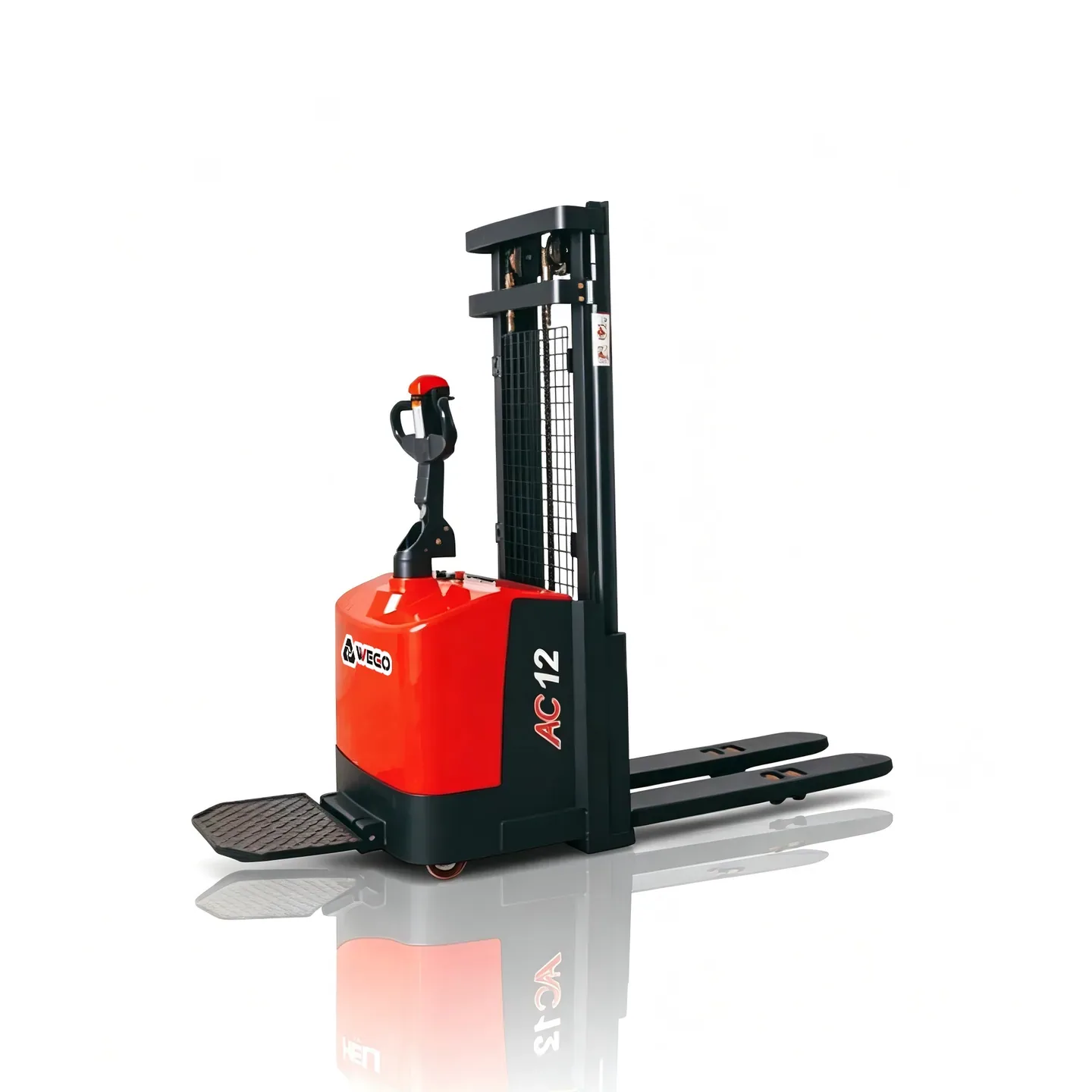
A mixed fleet of walkie stackers and ride-on electric forklifts helps buyers cover narrow aisles, pallet transport, and spare-parts efficiency.
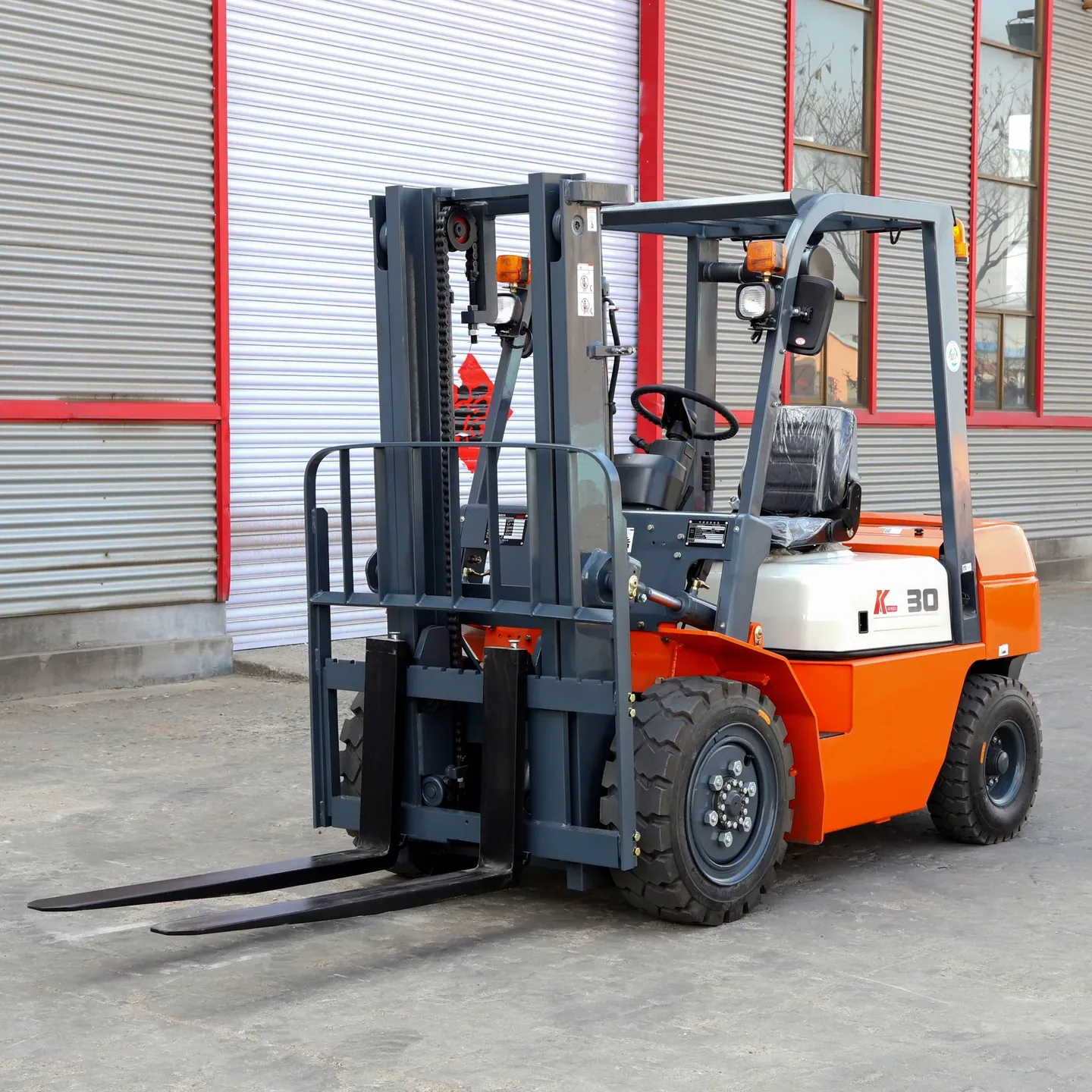
Strong output, quick refueling, and weather-ready protection keep this 3 ton diesel forklift practical for freight yards.
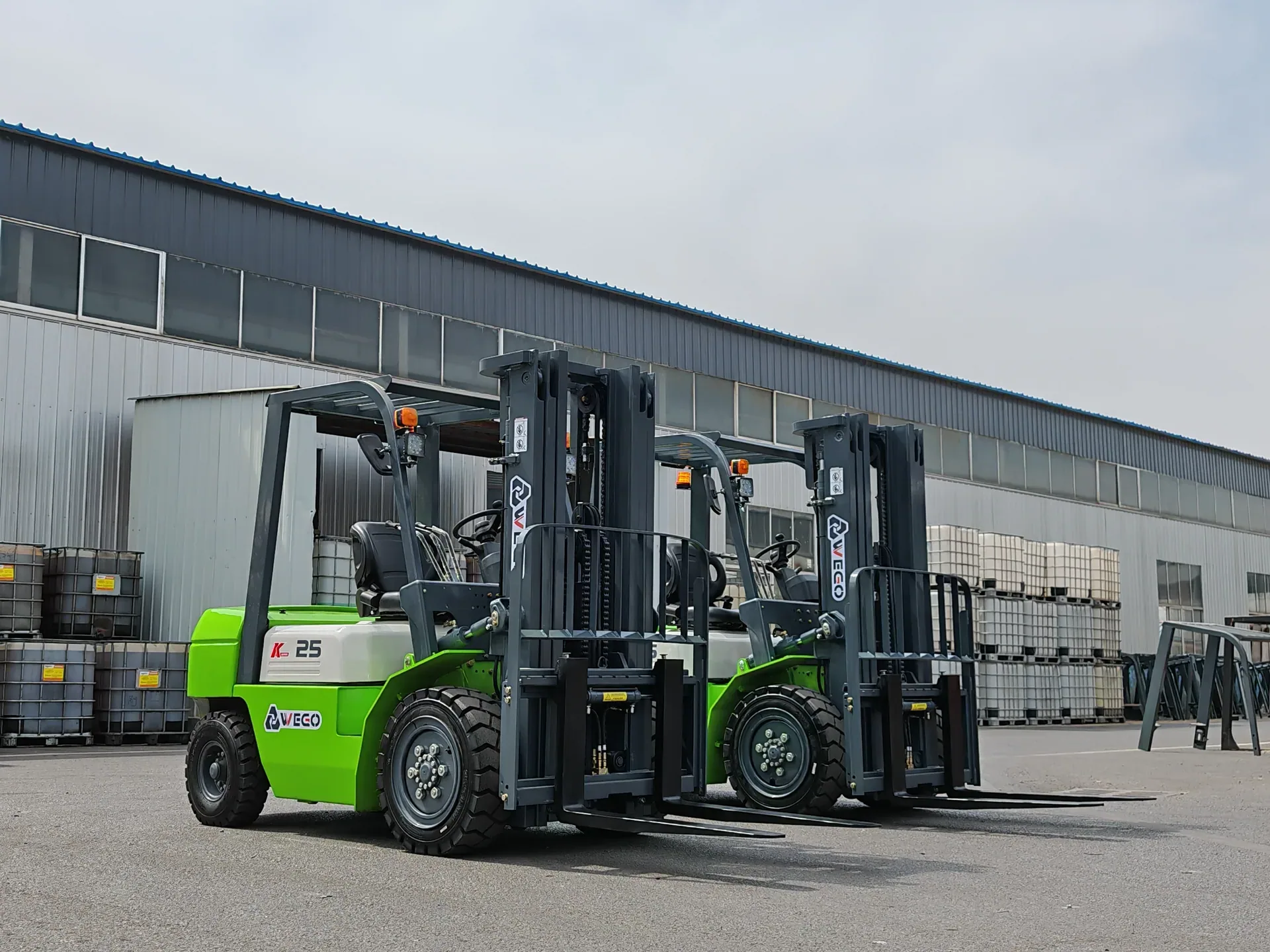
Low noise, zero tailpipe emissions, and flexible battery choices help WEGO electric forklifts fit cleaner warehouse operations.
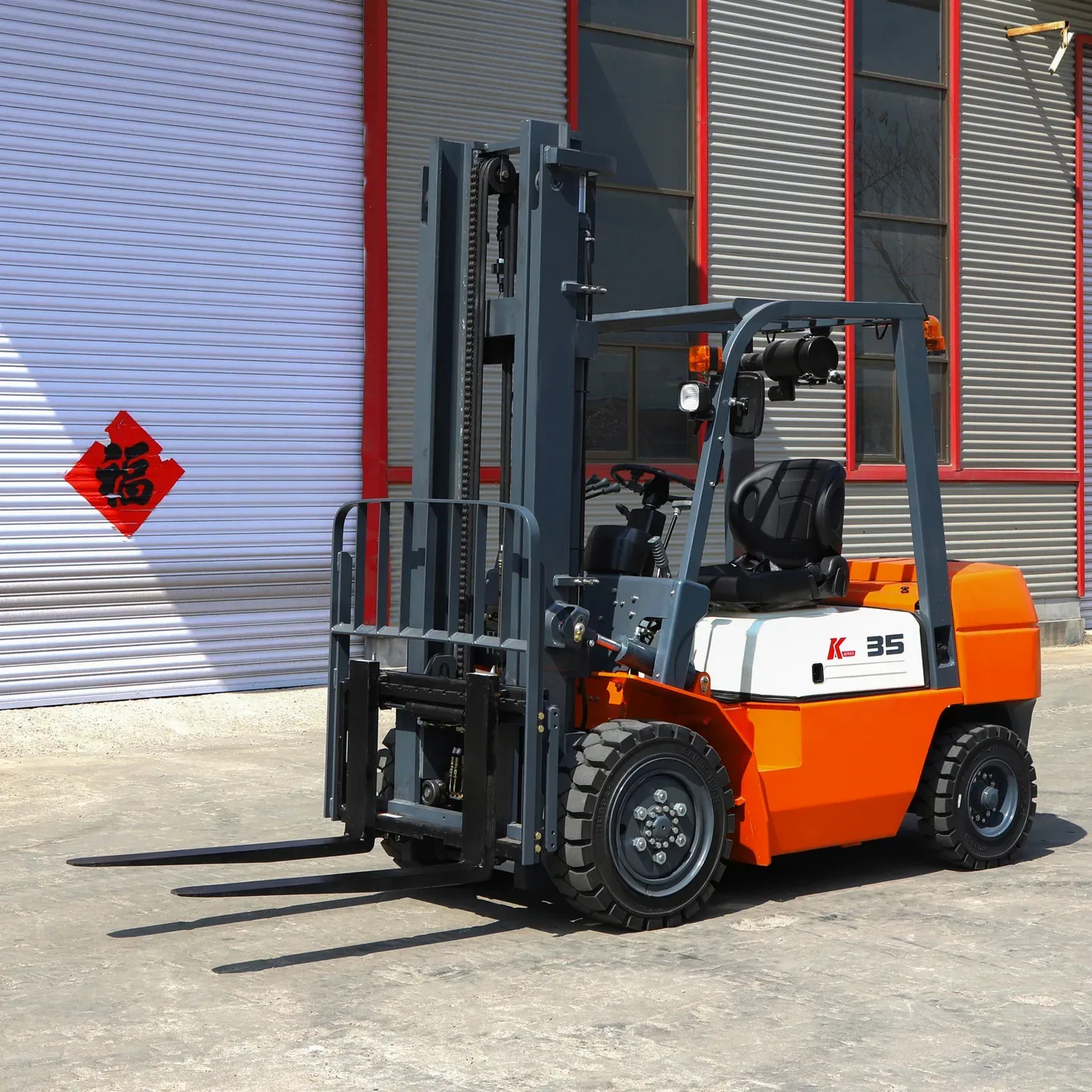
From 2 ton to 5 ton capacity, WEGO's diesel lineup targets ports, factories, and distributors that need dependable lifting power.
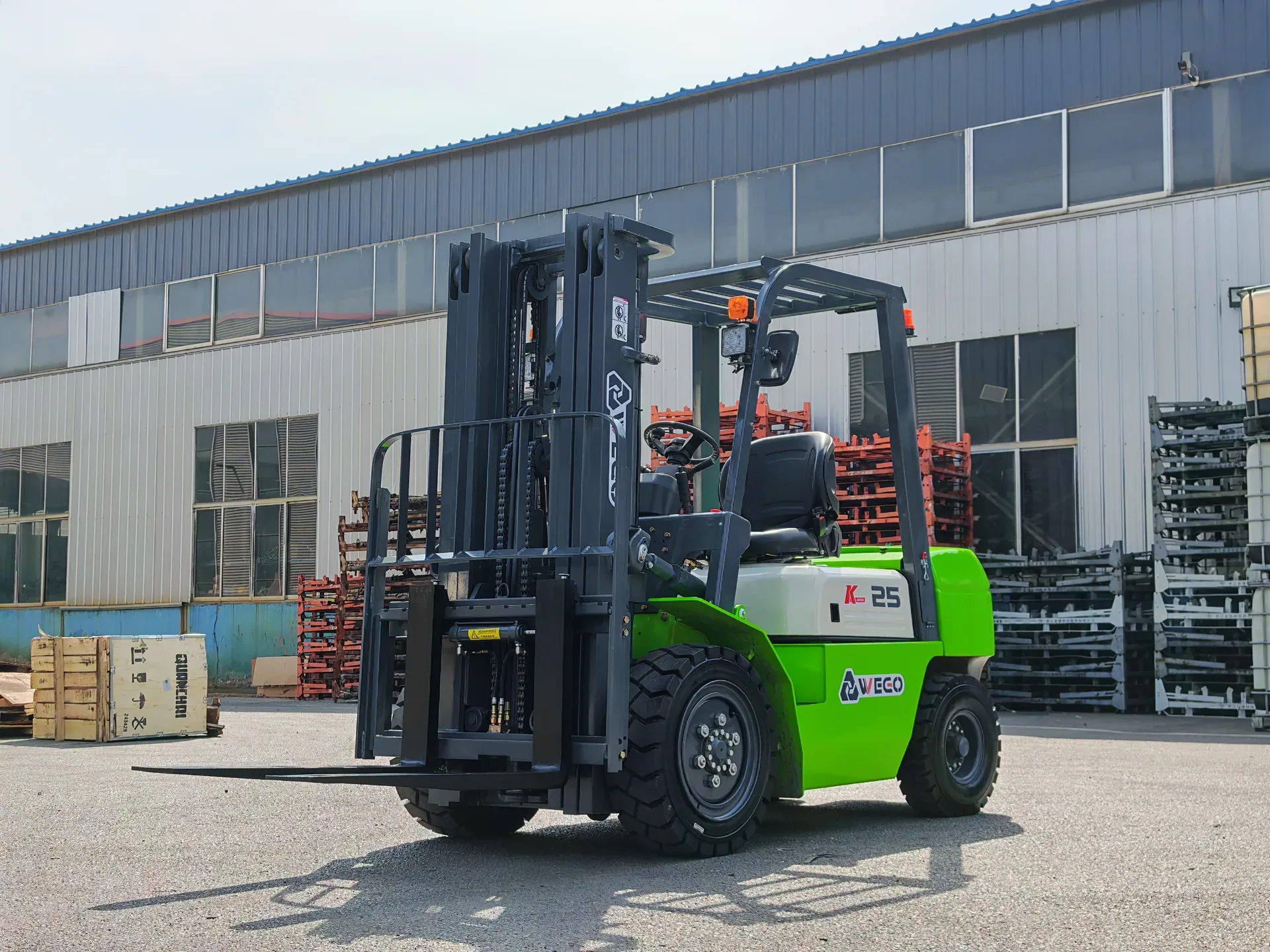
Fast charging, low daily maintenance, and narrow-aisle flexibility make WEGO's lithium forklifts a strong indoor option.
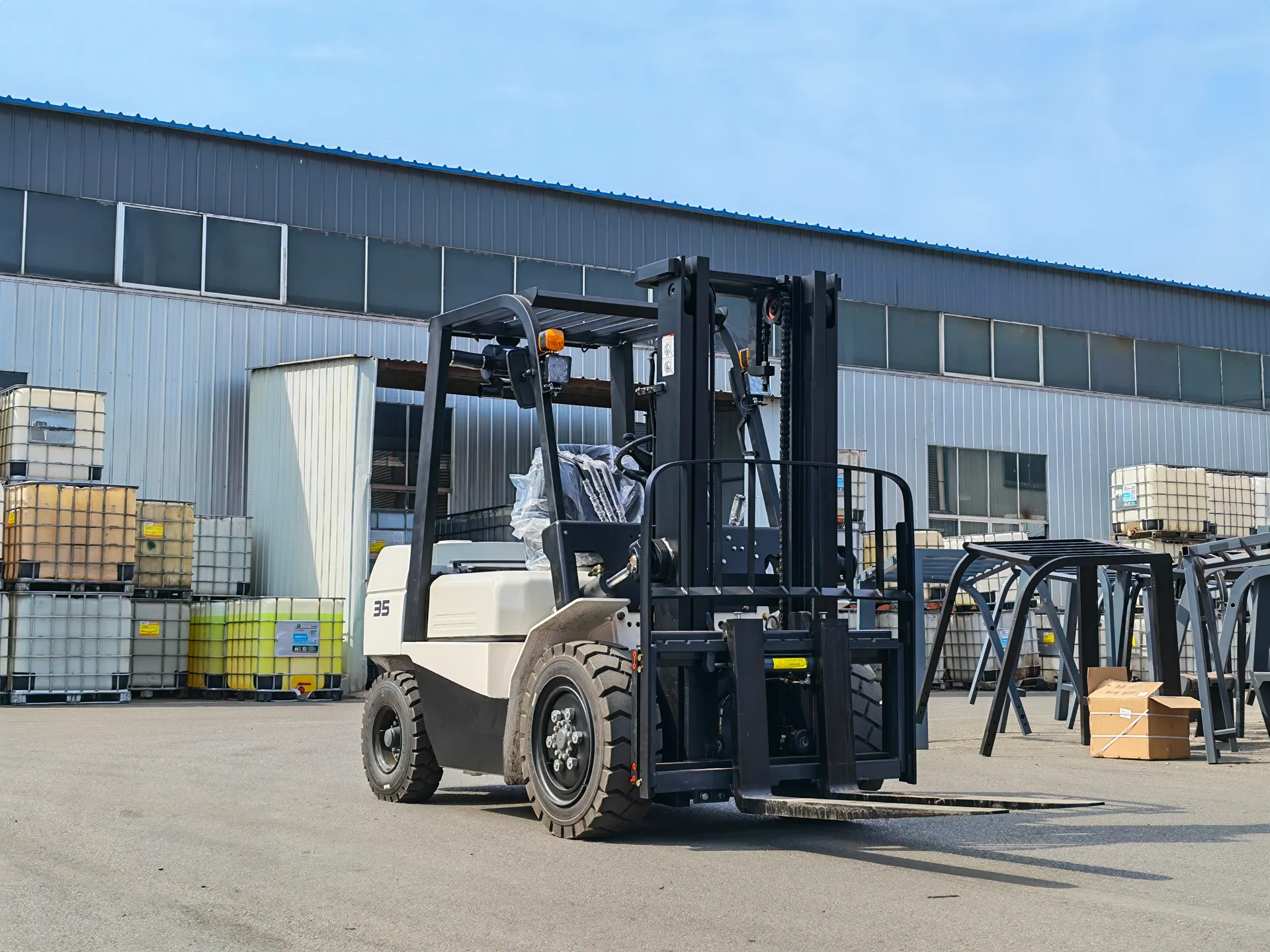
A rugged diesel forklift for ports, timber yards, construction sites, and freight terminals that need stable outdoor handling.
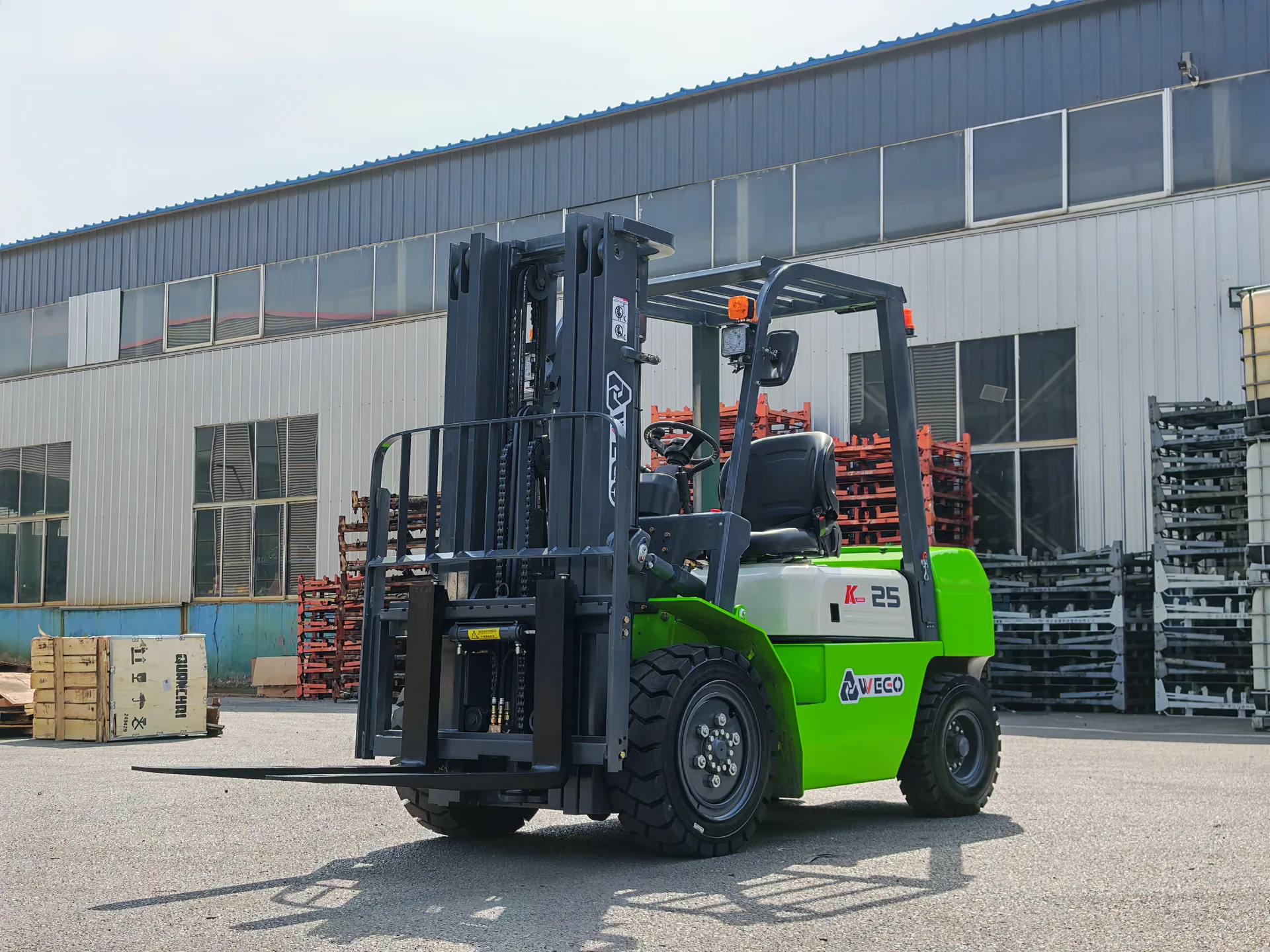
A lithium-powered 2.5 ton electric forklift built for warehouse aisles, food plants, and retail distribution centers.