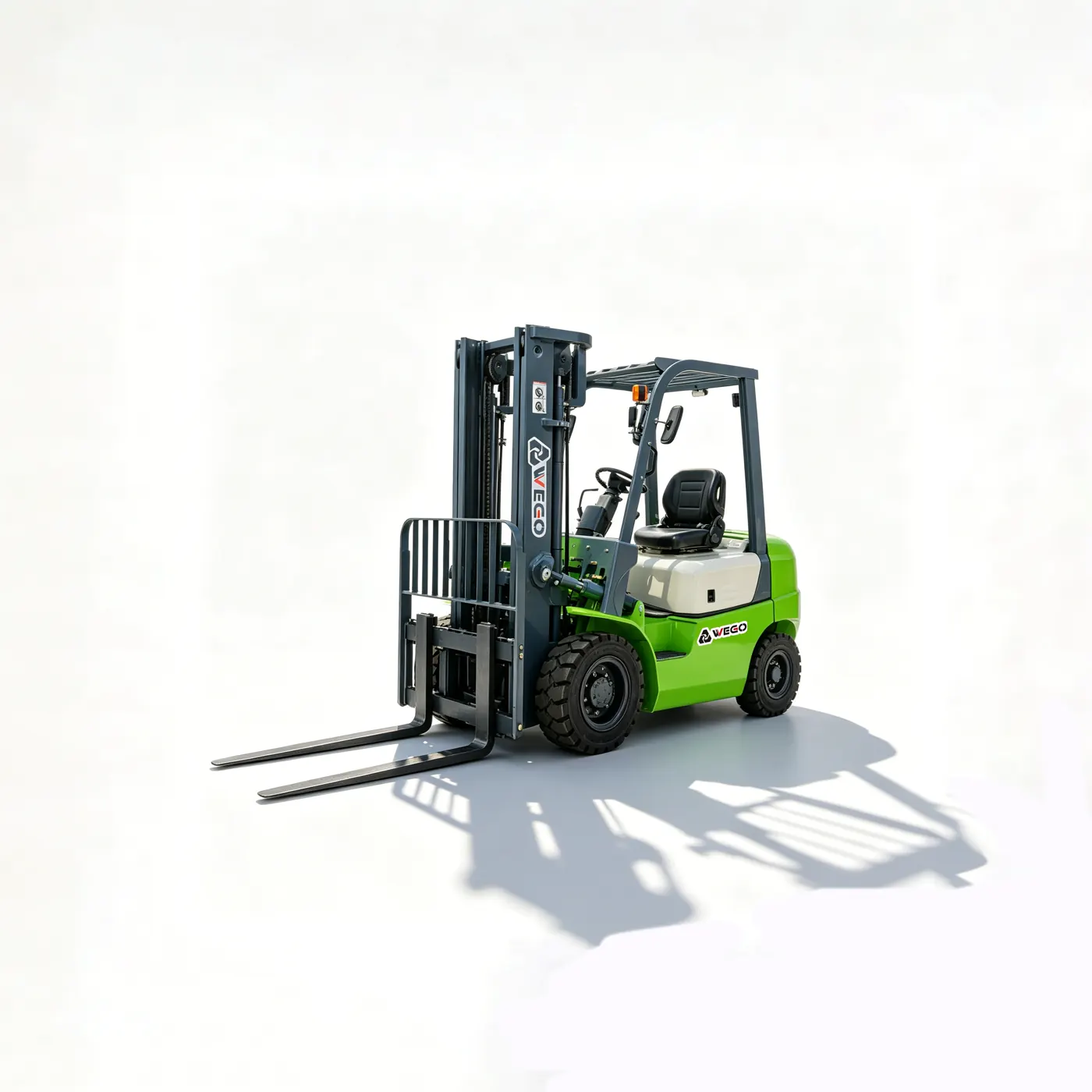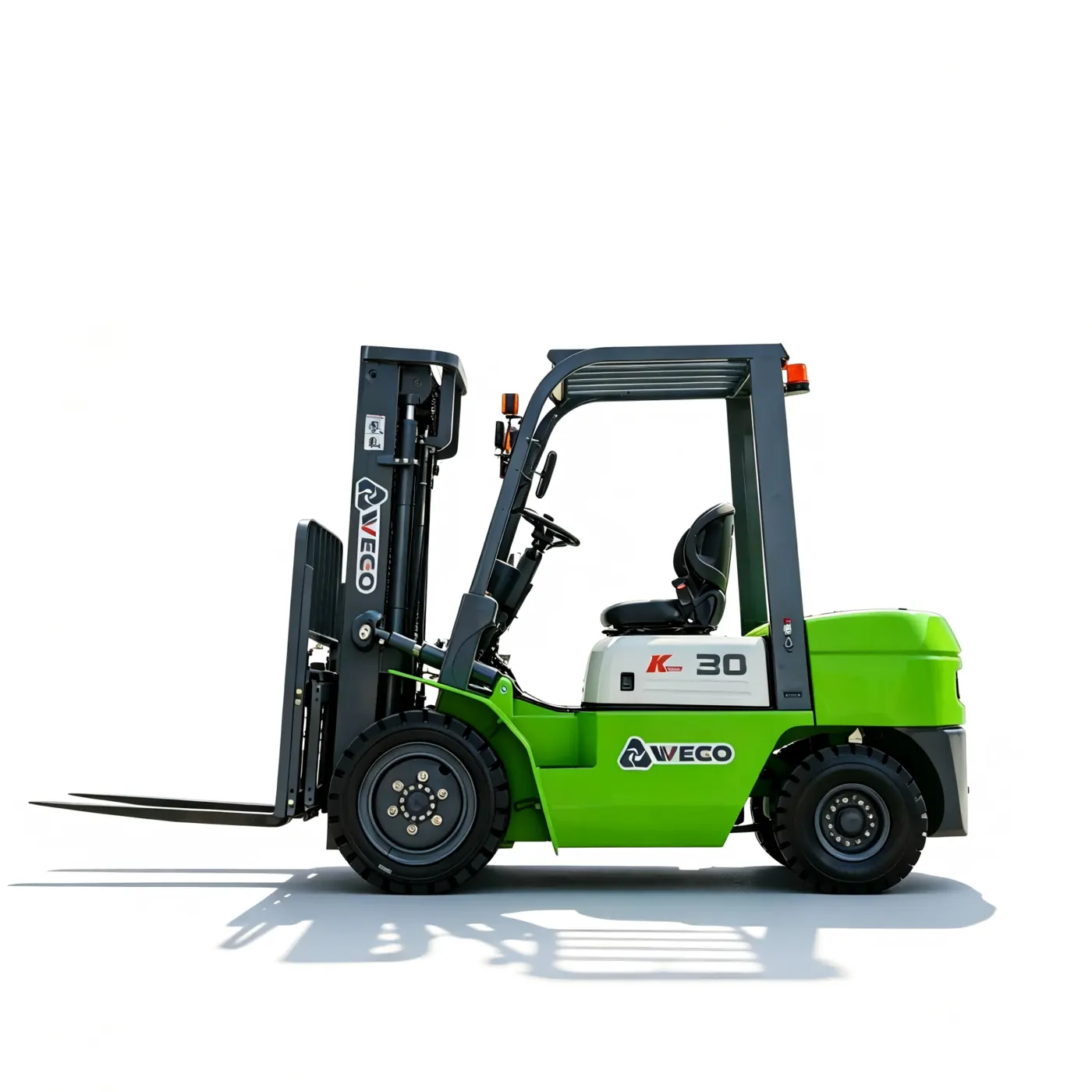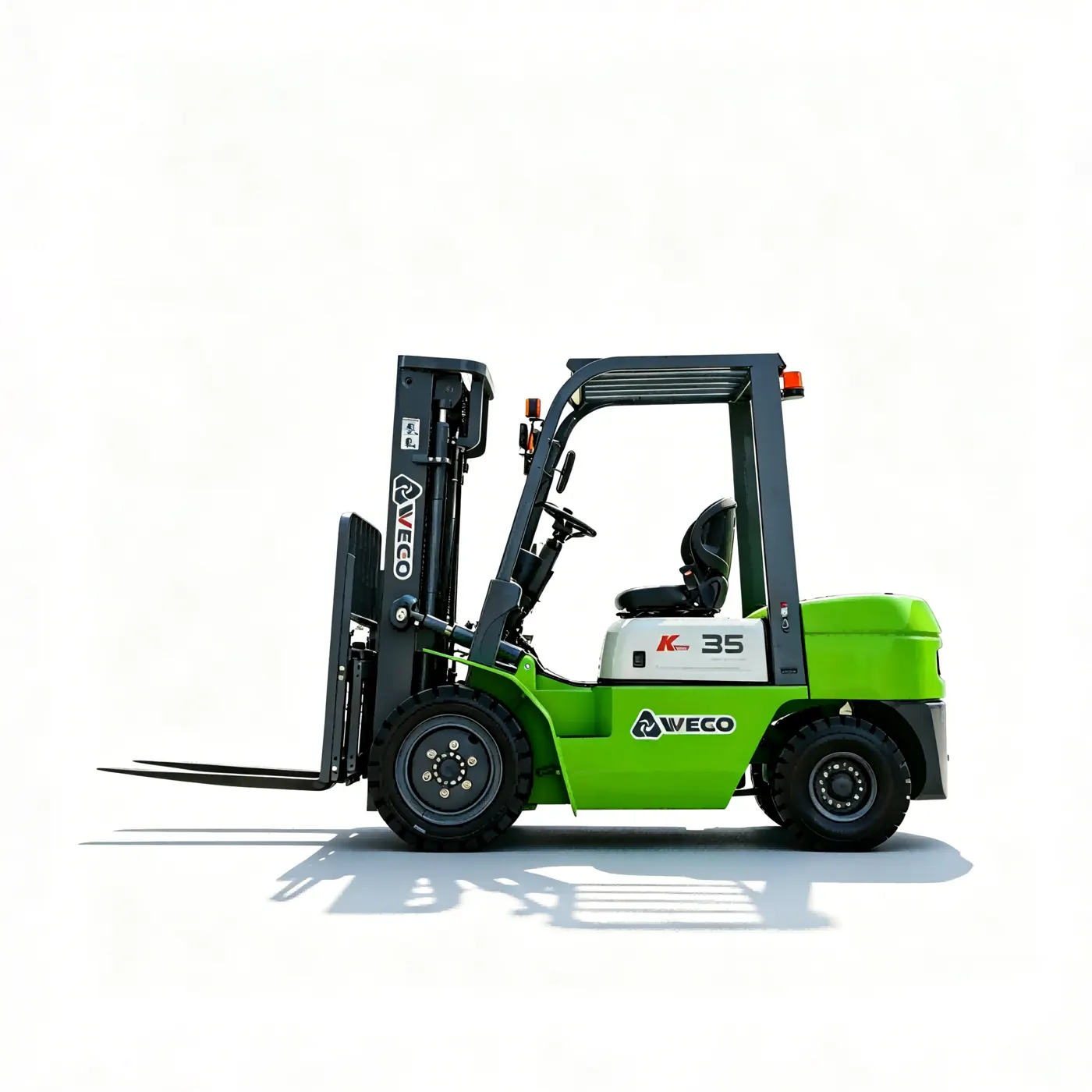
Electric forklifts are a practical cost-control option for many indoor warehouses and factories. Their value comes from the complete operating model, including electricity, maintenance, charging, utilization, downtime, and the conditions in which the truck works.
A typical indoor fleet may handle food, pharmaceutical, retail, or manufacturing loads across several shifts. Low noise and no tailpipe emissions can support enclosed work areas, while a planned charging routine helps managers avoid waiting time and unplanned battery changes.
Buyers should compare capacity, lift height, battery type, charger, tyre, mast, attachment, travel distance, and service access. An electric truck is only economical when its battery and charging system match the hours, load, and route required by the actual application.
Prepare annual operating hours, average load, maximum lift, aisle width, floor condition, shift schedule, electricity supply, and local service expectations before requesting a quote. Compare these facts with fuel, maintenance, and downtime assumptions for alternative power types.
For export projects, confirm manuals, charger standards, spare parts, training, maintenance intervals, and warranty communication. WEGO can help distributors and end users compare electric, diesel, and LPG solutions against a documented warehouse duty cycle.
Technical buyer checklist
Duty cycle and charging window
Record hours per shift, peak periods, breaks, and available charging time before selecting battery capacity and charger output.
Charging infrastructure
Confirm site voltage, phase, connector, ventilation, cable route, and a protected parking area that matches local electrical rules.
Aisle and rack geometry
Measure clear aisle width, right-angle stacking space, rack height, lowest beam, door clearance, and turning points with the real pallet.
Battery operating environment
Temperature, dust, moisture, cleaning practice, and charging frequency affect the battery package and protection level required.
Daily inspection plan
Operators should check forks, chains, mast, tyres, leaks, brakes, steering, warning devices, and battery or engine condition before each shift.
Export and commissioning package
Align manuals, labels, charger or engine configuration, spare filters and seals, packing method, and destination documents before shipment.