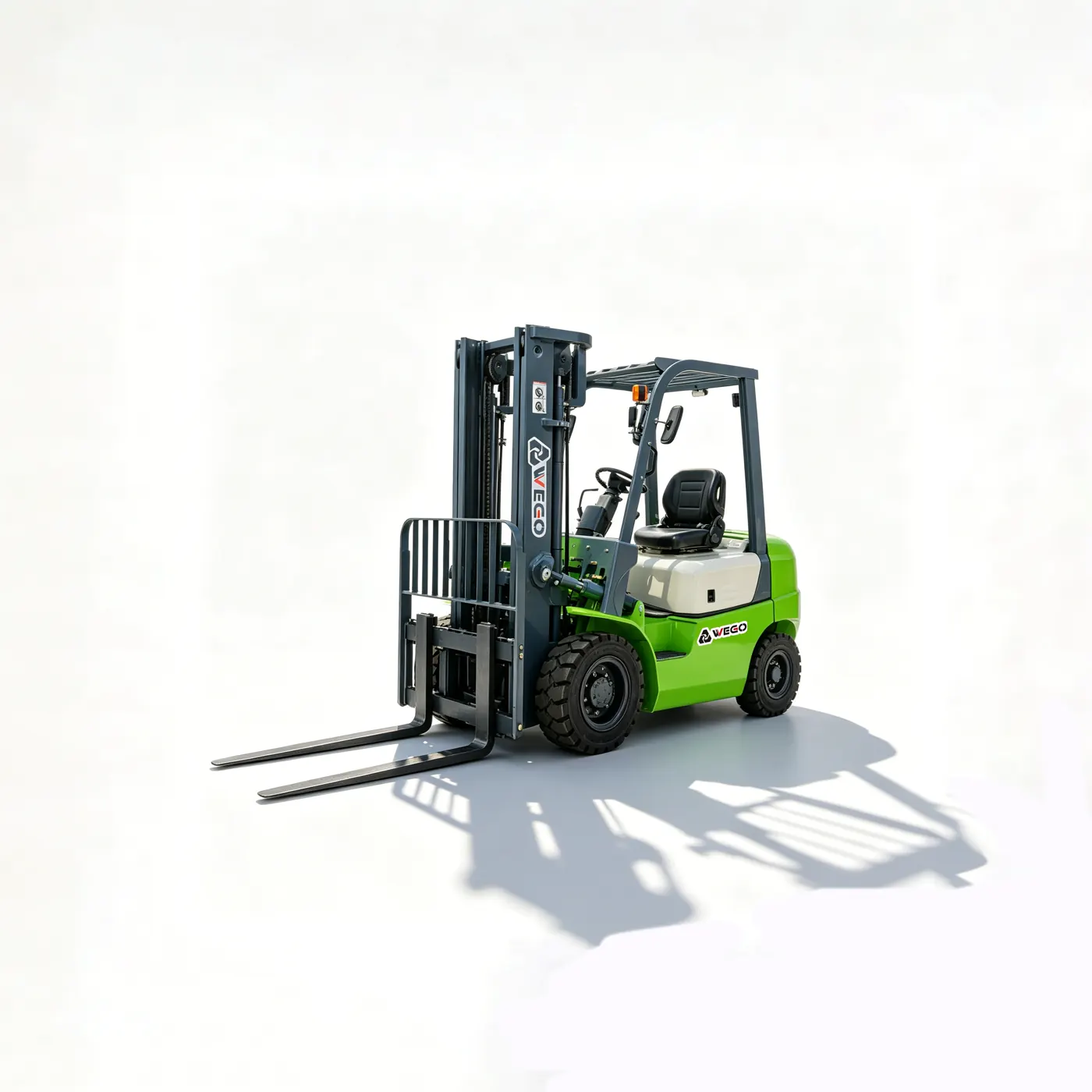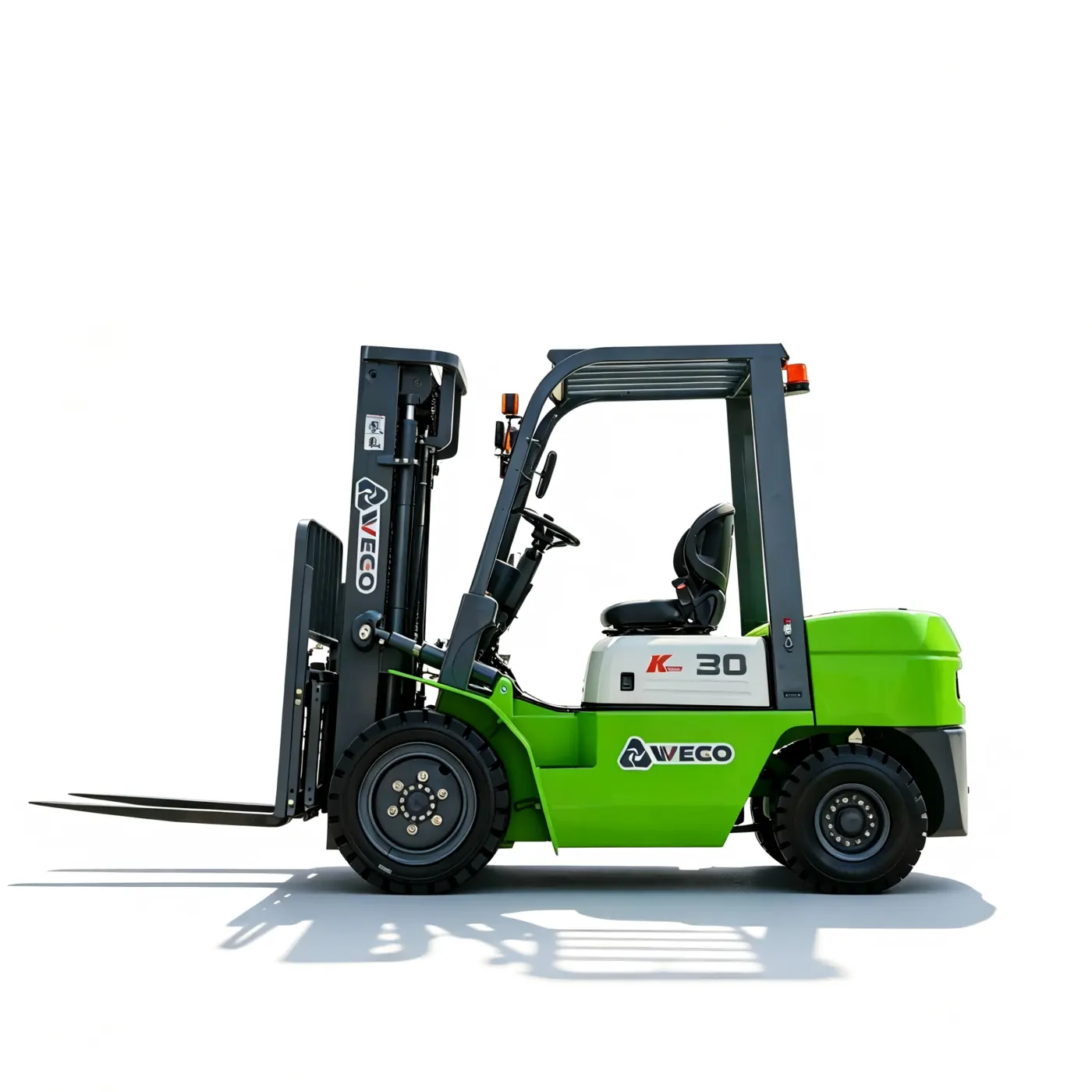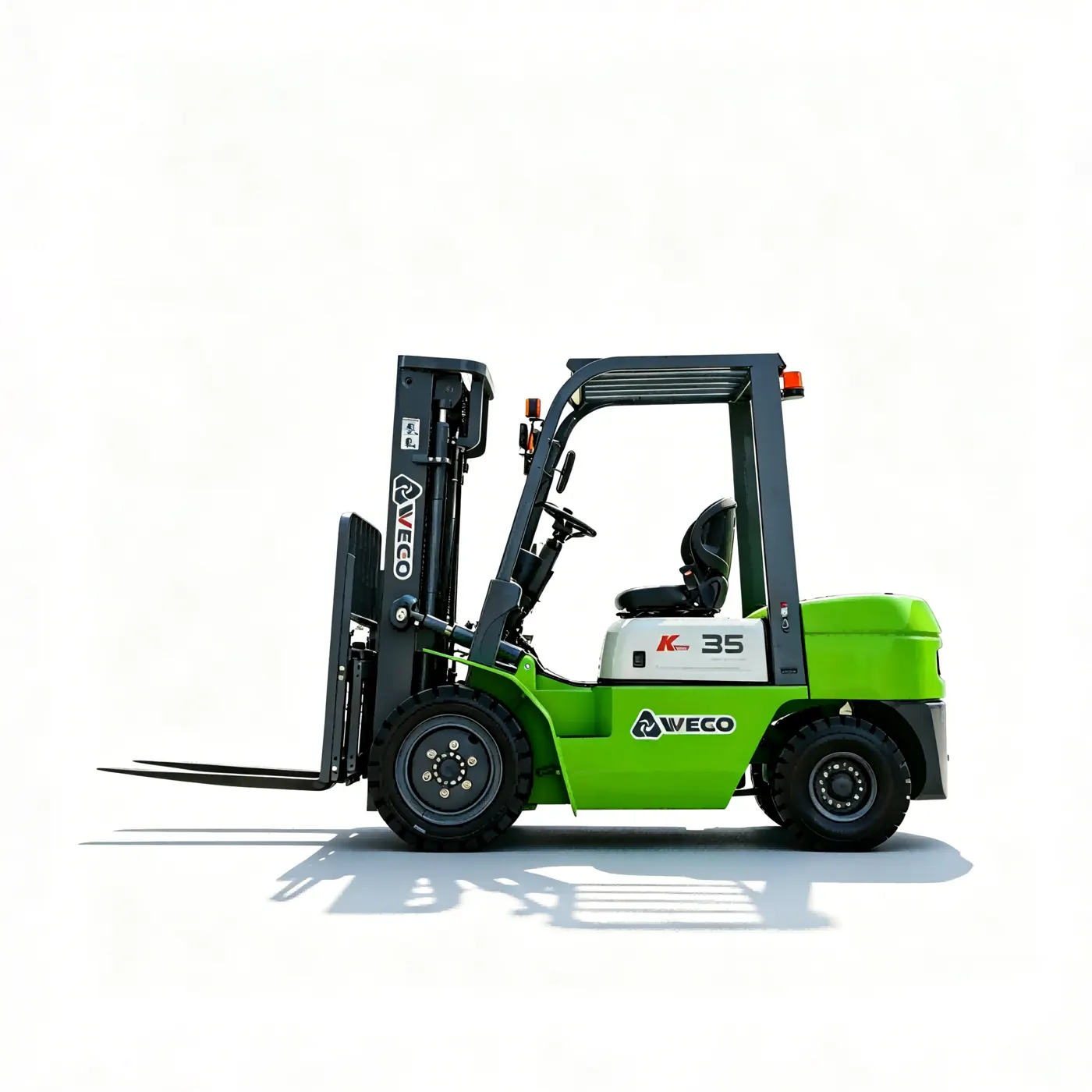
Battery planning is central to electric forklift availability. Lithium systems can support opportunity charging during suitable pauses, but the result depends on battery size, charger compatibility, shift demand, electrical capacity, and a disciplined charging procedure.
In a long-hour warehouse, trucks may return to a charging point during breaks, meal periods, or planned handoffs. This can reduce battery-change activity, but charging locations must remain accessible, controlled, ventilated as required, and separated from unsafe traffic or storage.
Confirm battery capacity, charger input, connector, charging time, daily travel, average load, number of shifts, temperature, display information, inspection routine, and backup plan. Avoid choosing a battery that is too small for the duty cycle or unnecessarily large for the application.
Before quotation, provide operating hours, break schedule, load pattern, charger location, available power, ambient conditions, truck model, fleet size, and expected expansion. Decide who will manage charging, inspections, records, and emergency procedures.
For export delivery, confirm electrical standards, manuals, labels, charger shipment, training, replacement process, warranty, spare parts, and technical support. WEGO can help align the lithium battery, forklift, charger, and after-sales plan.
Technical buyer checklist
Duty cycle and charging window
Record hours per shift, peak periods, breaks, and available charging time before selecting battery capacity and charger output.
Charging infrastructure
Confirm site voltage, phase, connector, ventilation, cable route, and a protected parking area that matches local electrical rules.
Aisle and rack geometry
Measure clear aisle width, right-angle stacking space, rack height, lowest beam, door clearance, and turning points with the real pallet.
Battery operating environment
Temperature, dust, moisture, cleaning practice, and charging frequency affect the battery package and protection level required.
Daily inspection plan
Operators should check forks, chains, mast, tyres, leaks, brakes, steering, warning devices, and battery or engine condition before each shift.
Export and commissioning package
Align manuals, labels, charger or engine configuration, spare filters and seals, packing method, and destination documents before shipment.