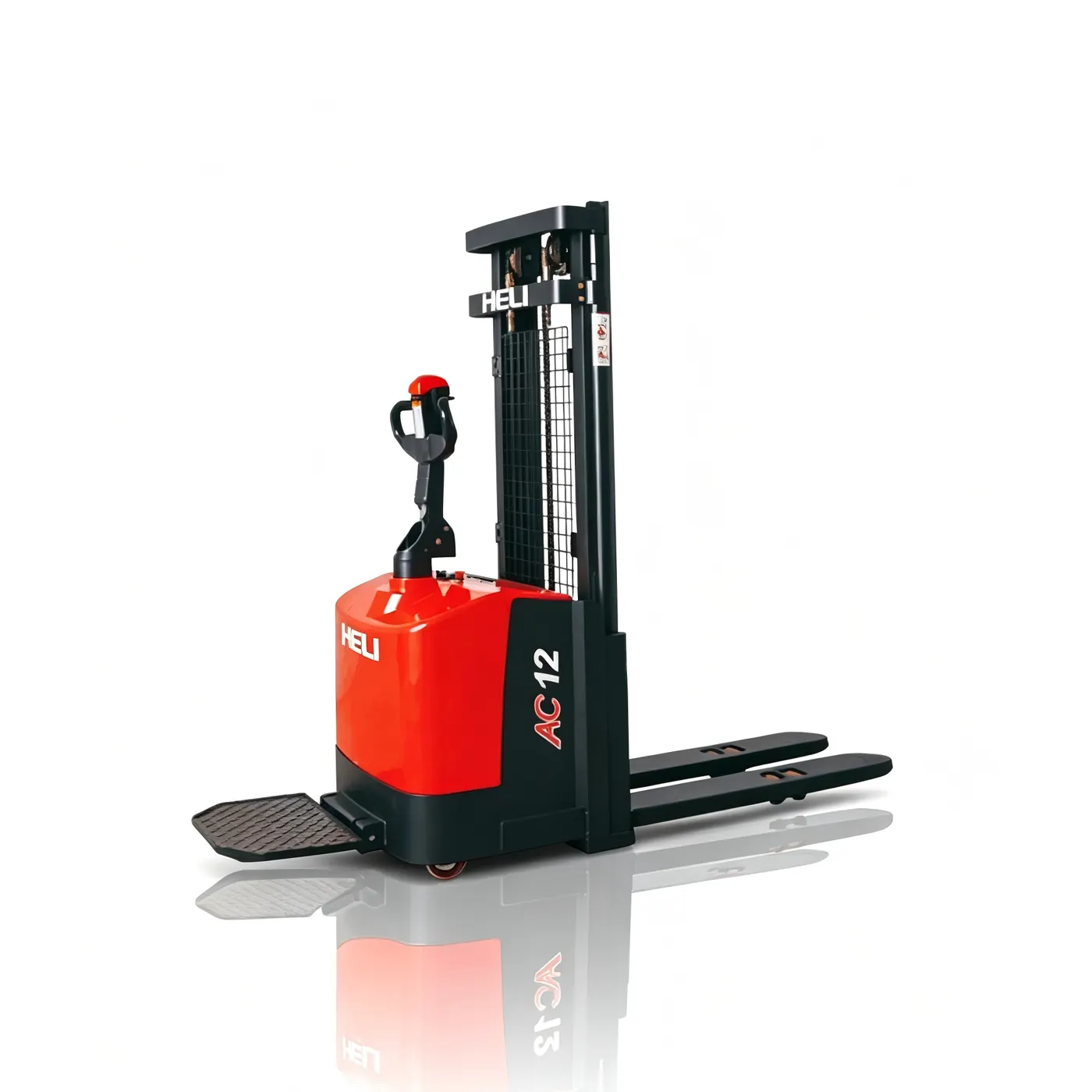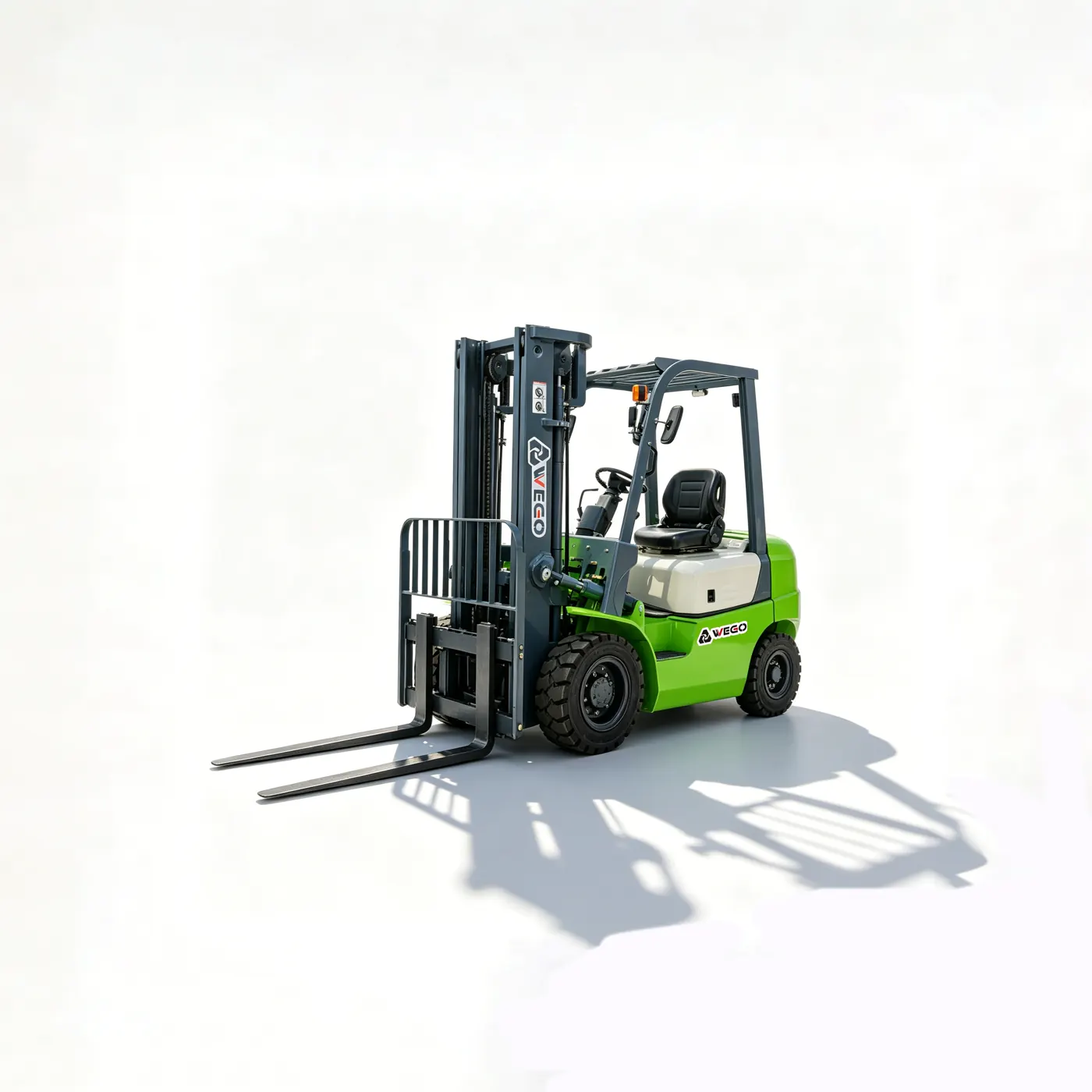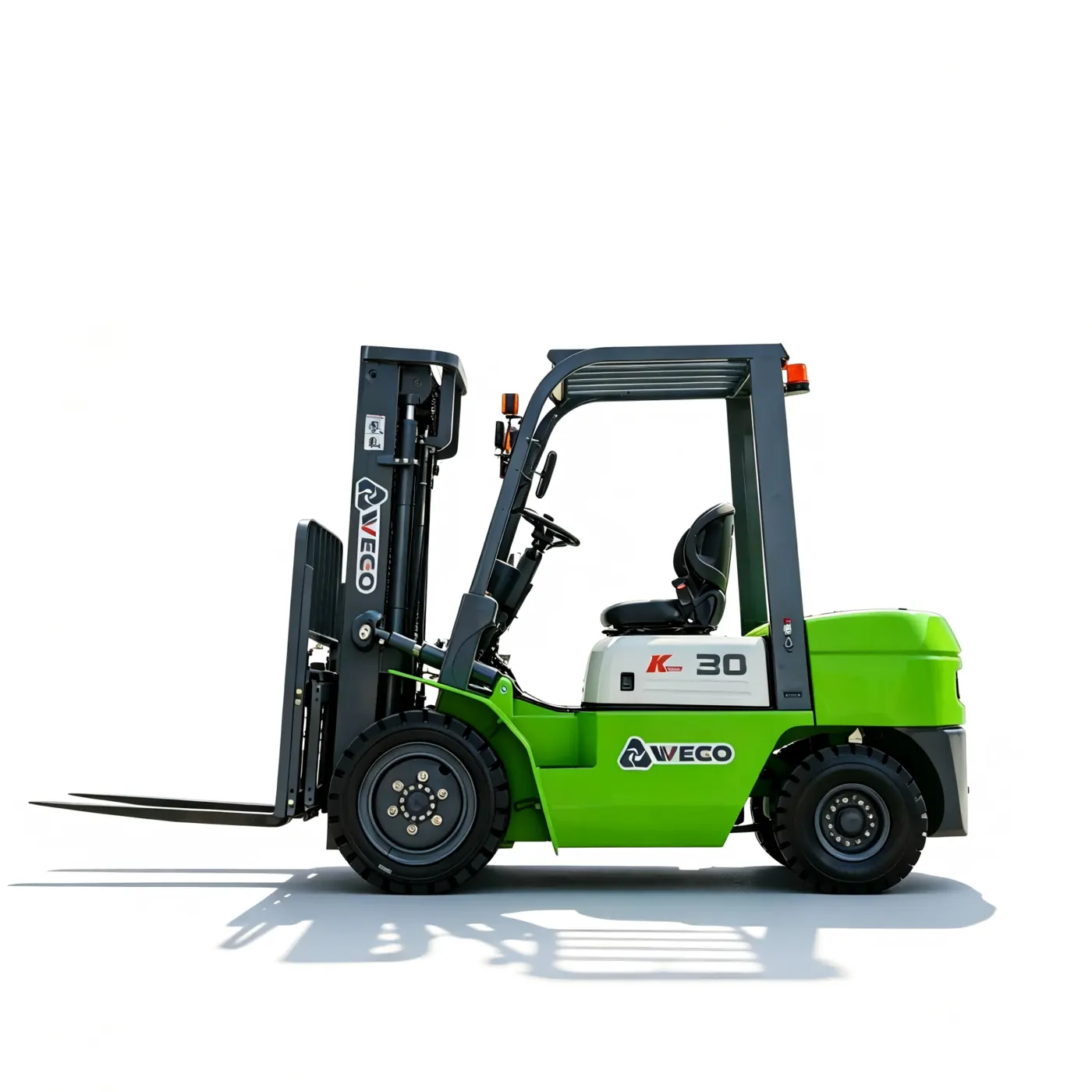
Forklift safety is a system involving the truck, operator, pedestrians, layout, and operating rules. Warning lights or sensors can support safer work, but they cannot replace training, inspections, clear routes, or a properly matched configuration.
A busy warehouse may have forklifts crossing pedestrian aisles, reversing near docks, or stacking loads around blind corners. Managers should identify those interaction points and decide where separation, speed control, visibility improvements, or additional procedures are needed.
Review mast visibility, overhead guard, lighting, reverse alarm, warning beacon, seat sensor, speed setting, impact monitoring, and attachment visibility. Select options according to the risk and environment, not as a generic list added after the truck has already been specified.
Before quotation, map pedestrian routes, vehicle lanes, blind corners, dock edges, floor conditions, load heights, shift patterns, and operator experience. Confirm inspection frequency, training responsibility, local requirements, and how safety events will be reviewed.
For export projects, align safety options with manuals, labels, training materials, service support, and local rules. WEGO can help customers combine suitable equipment, operating procedures, and after-sales guidance for a more controlled material-handling environment.
Technical buyer checklist
Travel distance and operator mode
Walkie equipment suits shorter, intermittent routes; longer or high-frequency travel may justify a platform or ride-on truck after a site assessment.
Aisle and rack geometry
Measure clear aisle width, right-angle stacking space, rack height, lowest beam, door clearance, and turning points with the real pallet.
Pallet and rack compatibility
Confirm open or closed pallet base, fork pockets, load overhang, rack beam height, floor clearance, and required free lift.
Duty cycle and charging window
Record hours per shift, peak periods, breaks, and available charging time before selecting battery capacity and charger output.
Fleet parts commonality
Compare batteries, chargers, wheels, controls, wear parts, and diagnostic needs so a mixed fleet does not create unnecessary service complexity.
Export and commissioning package
Align manuals, labels, charger or engine configuration, spare filters and seals, packing method, and destination documents before shipment.