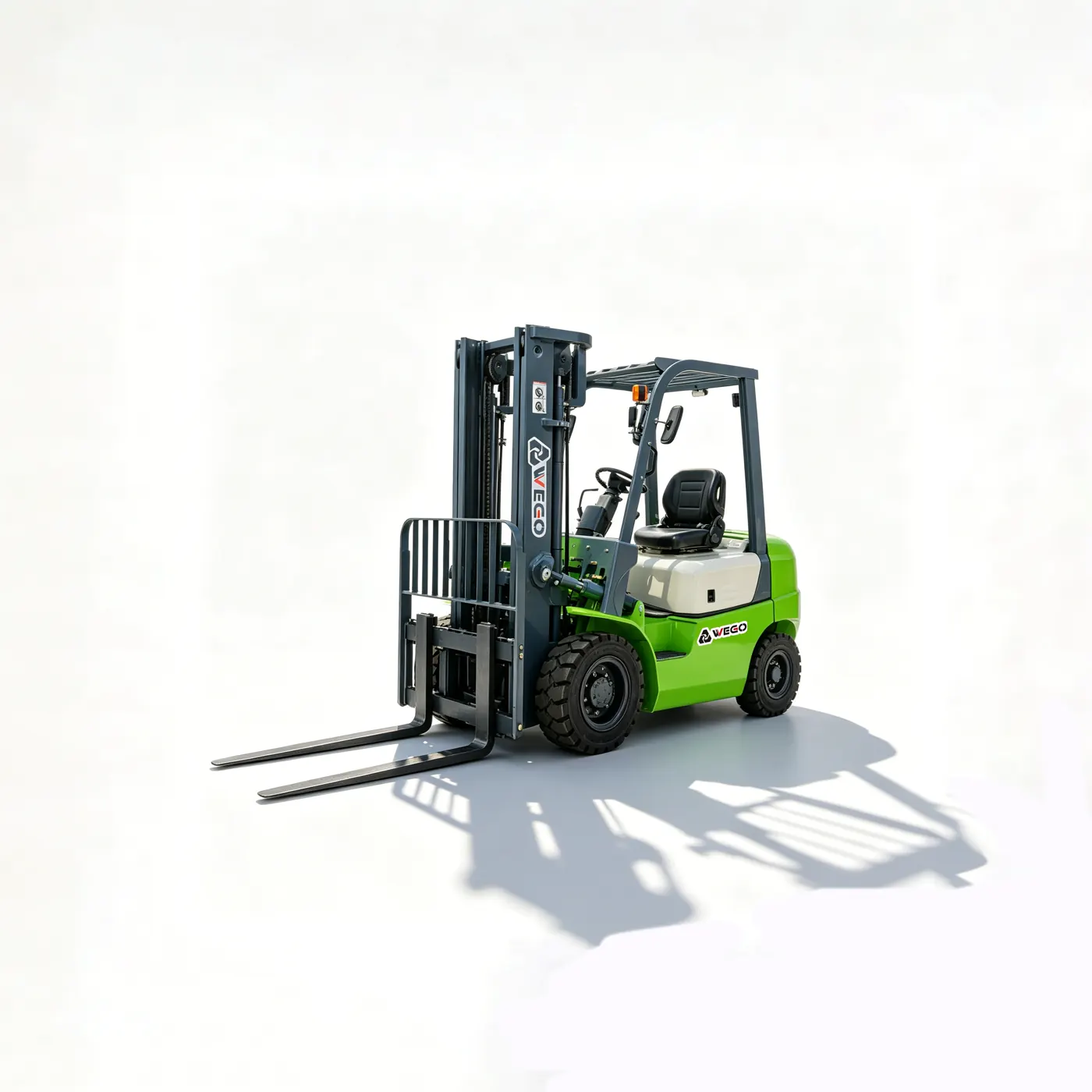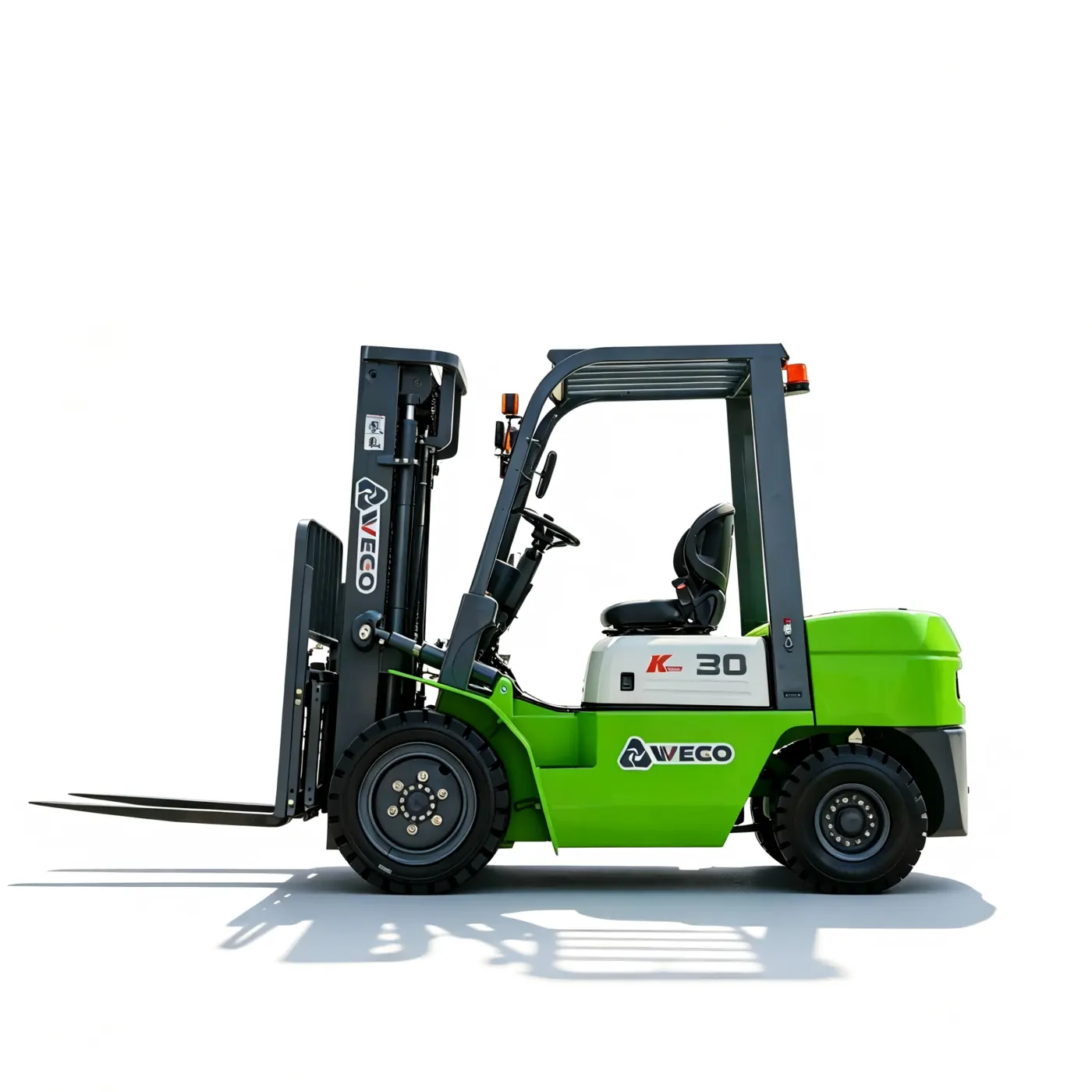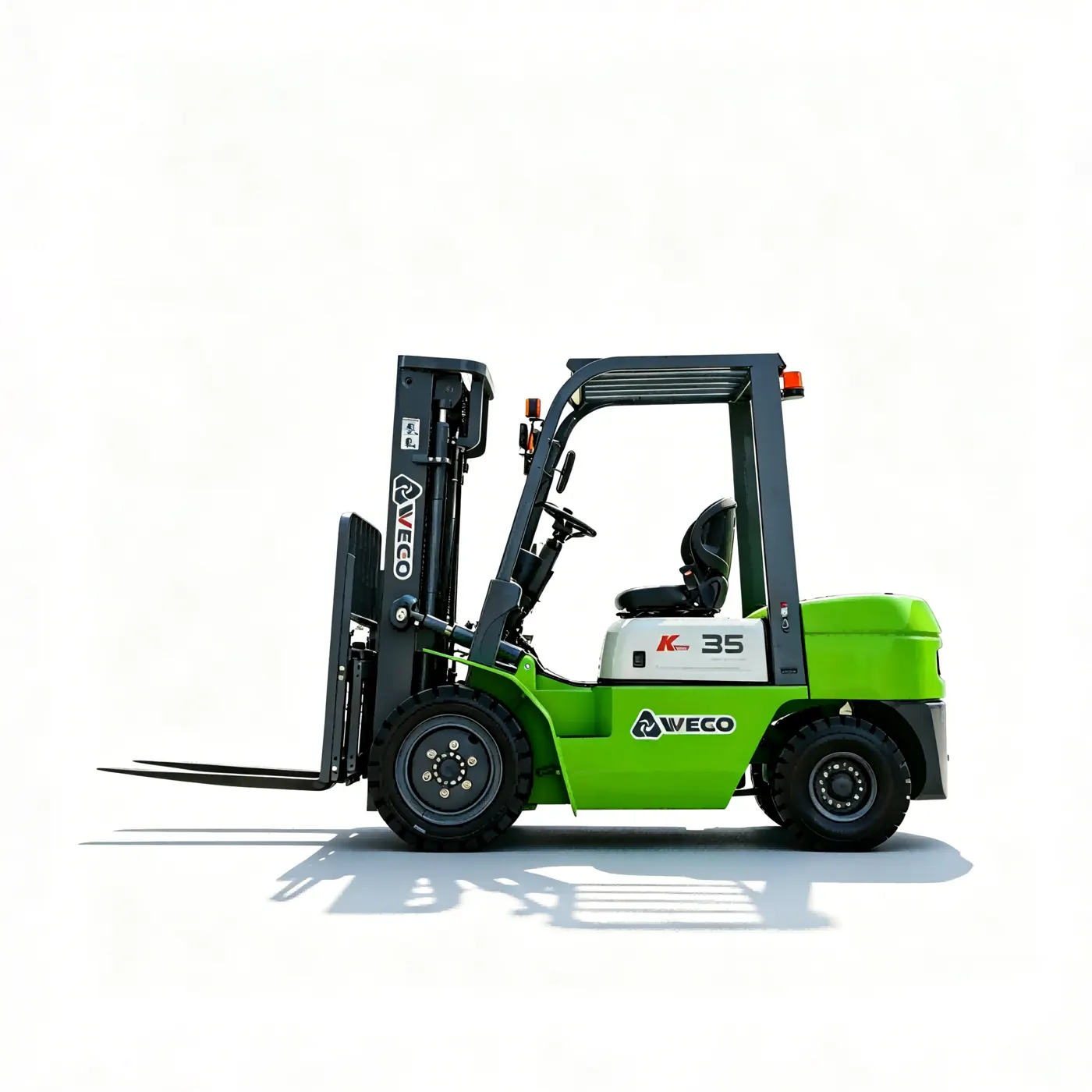
The lowest purchase price is not always the lowest-cost forklift solution. Total cost of ownership gives buyers a clearer view of energy, maintenance, tyres, training, downtime, utilization, service, and eventual replacement.
A warehouse running electric trucks across several shifts will measure cost differently from an outdoor yard using diesel or LPG. Load, travel distance, floor condition, operating hours, energy prices, and service access all change the annual result.
Build the comparison around rated capacity, battery or fuel system, charger, duty cycle, maintenance intervals, tyre wear, attachments, operator comfort, availability, and expected equipment life. Include the cost of a truck that is unavailable during a peak period.
Before quotation, provide annual hours, average and maximum loads, shifts, route length, energy prices, service rates, spare-parts expectations, utilization, downtime history, and replacement horizon. Use the same assumptions for every power type being compared.
For export projects, confirm warranty scope, service response, spare parts, training, documentation, charger or fuel requirements, and resale or replacement support. WEGO can help build an application-based fleet comparison rather than a price-only decision.
Technical buyer checklist
Load profile and load centre
Specify maximum weight, dimensions, centre of gravity, pallet entry, and the highest lift point; attachments can reduce residual capacity.
Daily inspection plan
Operators should check forks, chains, mast, tyres, leaks, brakes, steering, warning devices, and battery or engine condition before each shift.
Export and commissioning package
Align manuals, labels, charger or engine configuration, spare filters and seals, packing method, and destination documents before shipment.