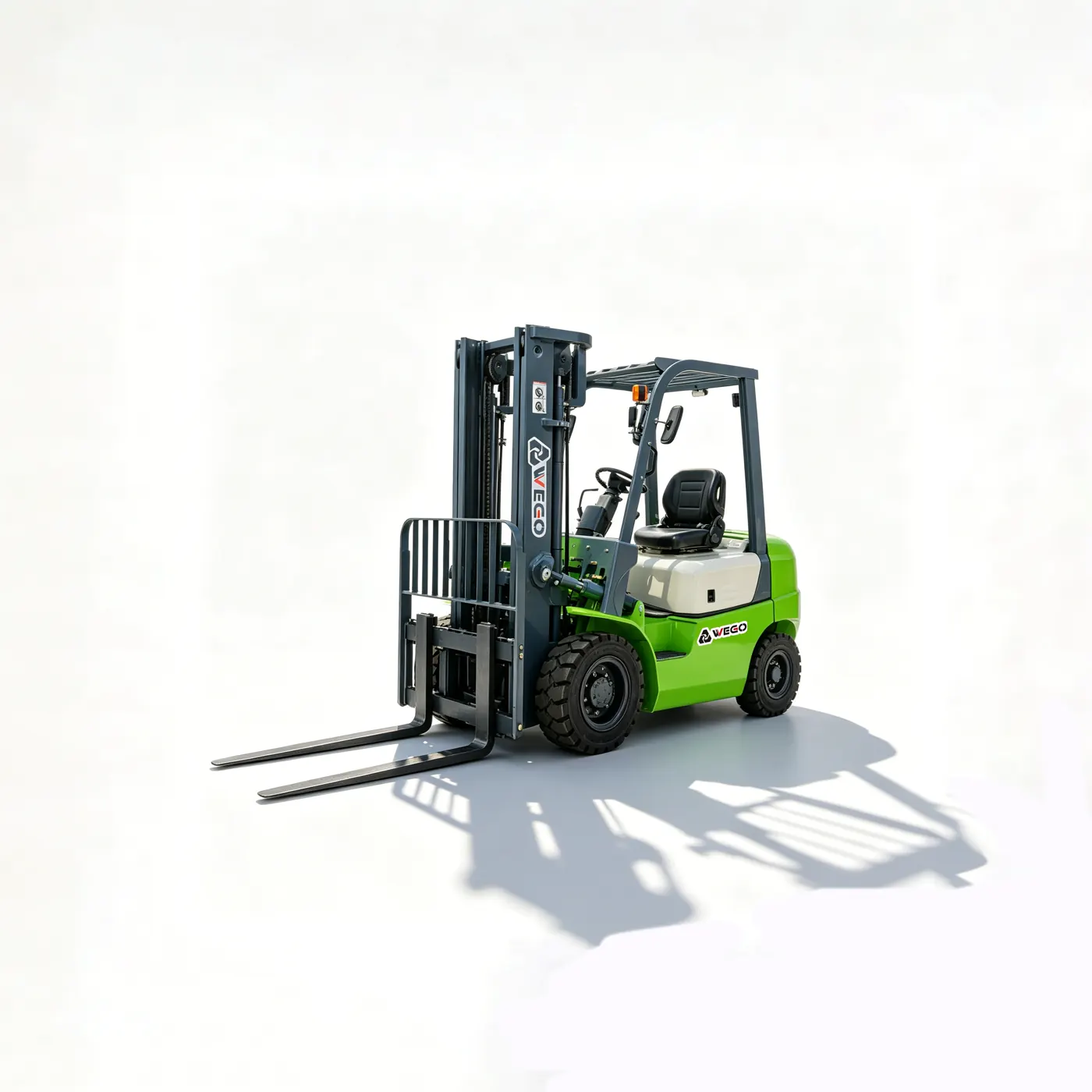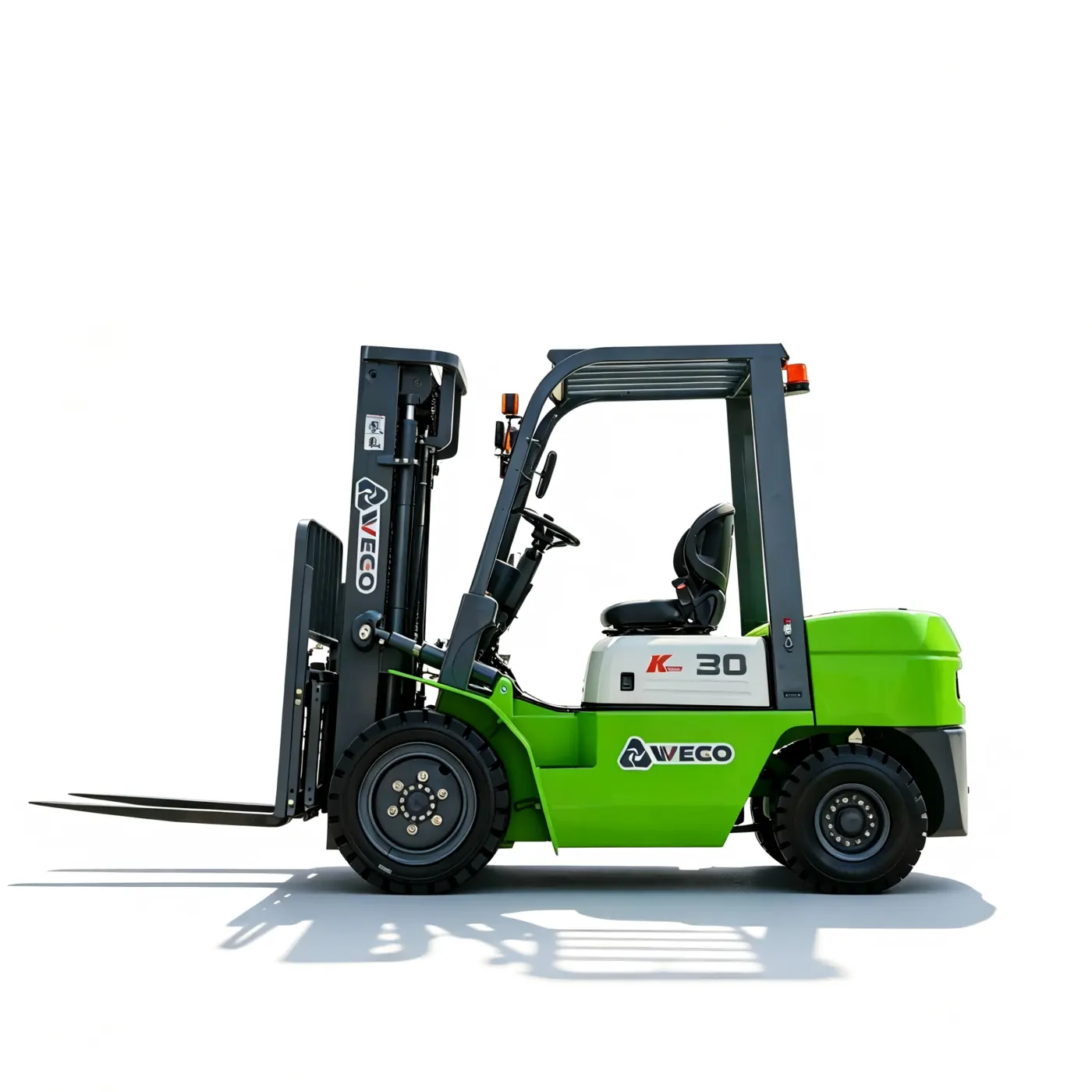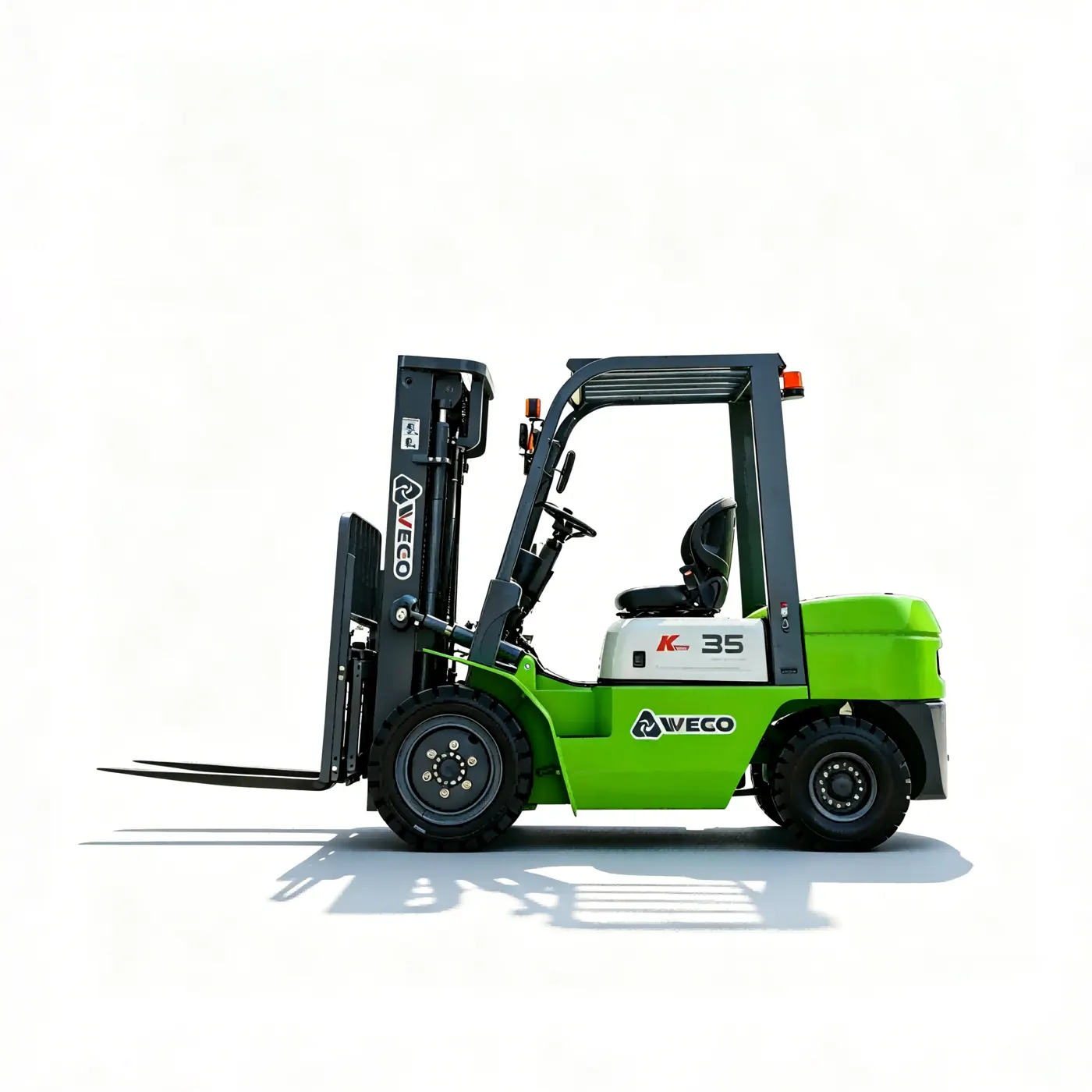
Battery planning is central to electric forklift availability. Lithium systems can support opportunity charging during suitable pauses, but the result depends on battery size, charger compatibility, shift demand, electrical capacity, and a disciplined charging procedure.
In a long-hour warehouse, trucks may return to a charging point during breaks, meal periods, or planned handoffs. This can reduce battery-change activity, but charging locations must remain accessible, controlled, ventilated as required, and separated from unsafe traffic or storage.
Confirm battery capacity, charger input, connector, charging time, daily travel, average load, number of shifts, temperature, display information, inspection routine, and backup plan. Avoid choosing a battery that is too small for the duty cycle or unnecessarily large for the application.
Before quotation, provide operating hours, break schedule, load pattern, charger location, available power, ambient conditions, truck model, fleet size, and expected expansion. Decide who will manage charging, inspections, records, and emergency procedures.
For export delivery, confirm electrical standards, manuals, labels, charger shipment, training, replacement process, warranty, spare parts, and technical support. WEGO can help align the lithium battery, forklift, charger, and after-sales plan.
기술 구매 체크리스트
작업 주기와 충전 시간
배터리 용량과 충전기 출력을 정하기 전에 교대 시간, 피크 시간, 휴식 및 충전 가능 시간을 확인합니다.
충전 인프라
현지 전압, 상수, 커넥터, 환기, 케이블 경로 및 전기 규정에 맞는 충전 구역을 확인합니다.
통로와 랙 치수
실제 팔레트를 기준으로 유효 통로 폭, 직각 적재 공간, 랙 높이, 최하단 빔, 출입문 및 회전 지점을 측정합니다.
배터리 운용 환경
온도, 먼지, 습기, 세척 방식 및 충전 빈도는 필요한 배터리 구성과 보호 수준에 영향을 줍니다.
일일 점검 계획
각 교대 전 포크, 체인, 마스트, 타이어, 누유, 브레이크, 조향, 경고 장치 및 배터리나 엔진 상태를 점검합니다.
수출 및 시운전 패키지
출하 전에 매뉴얼, 라벨, 충전기 또는 엔진 구성, 예비 필터와 씰, 포장 및 도착지 서류를 정리합니다.