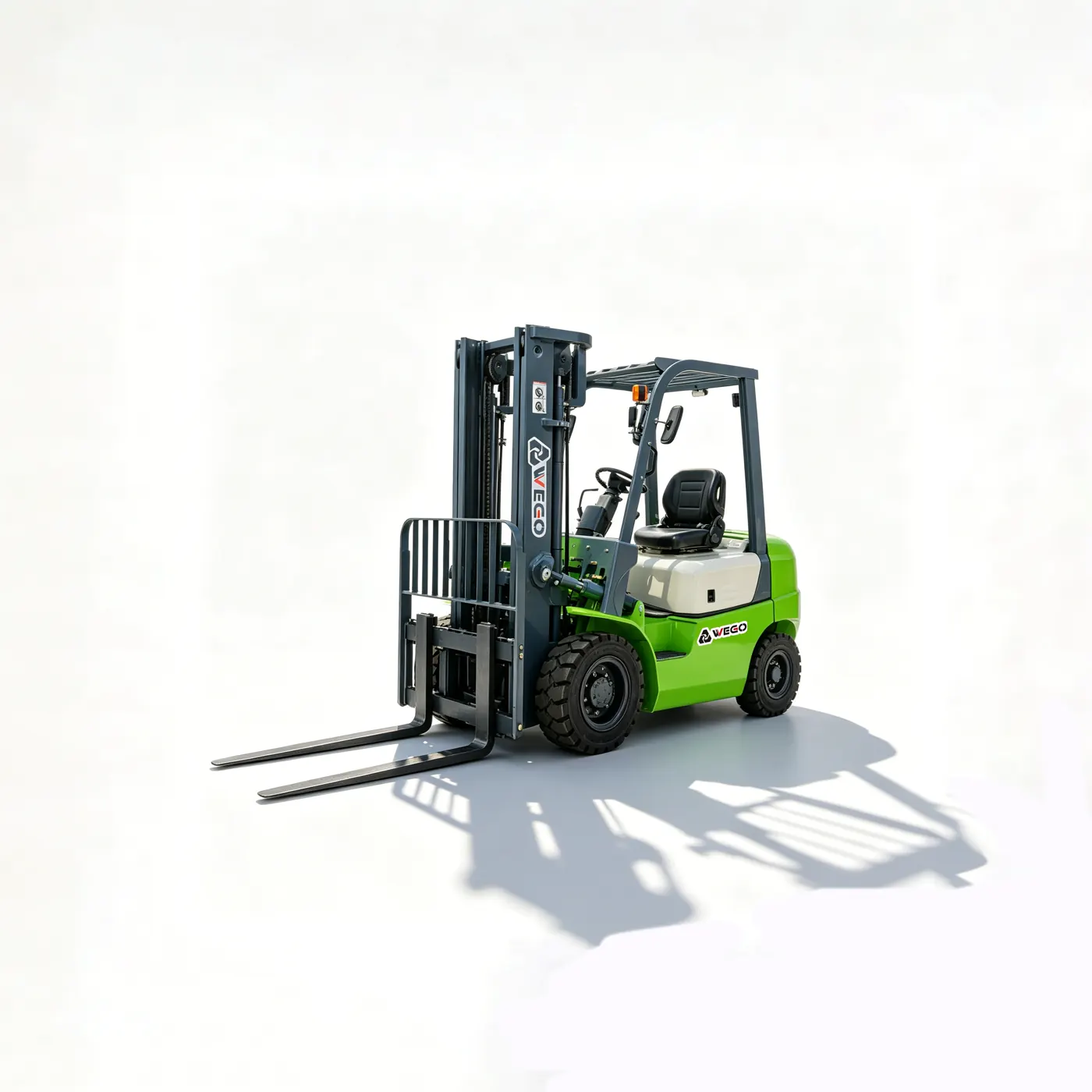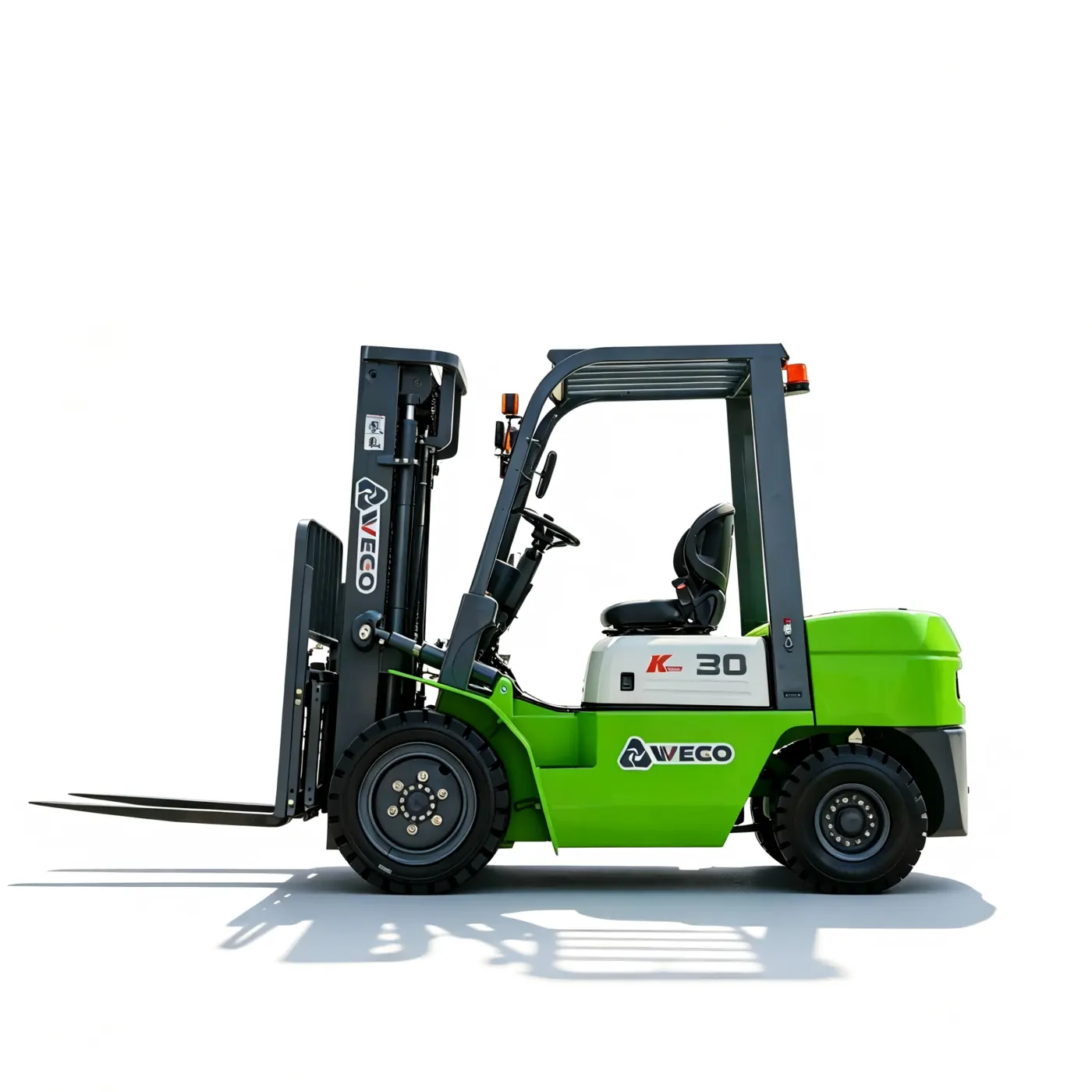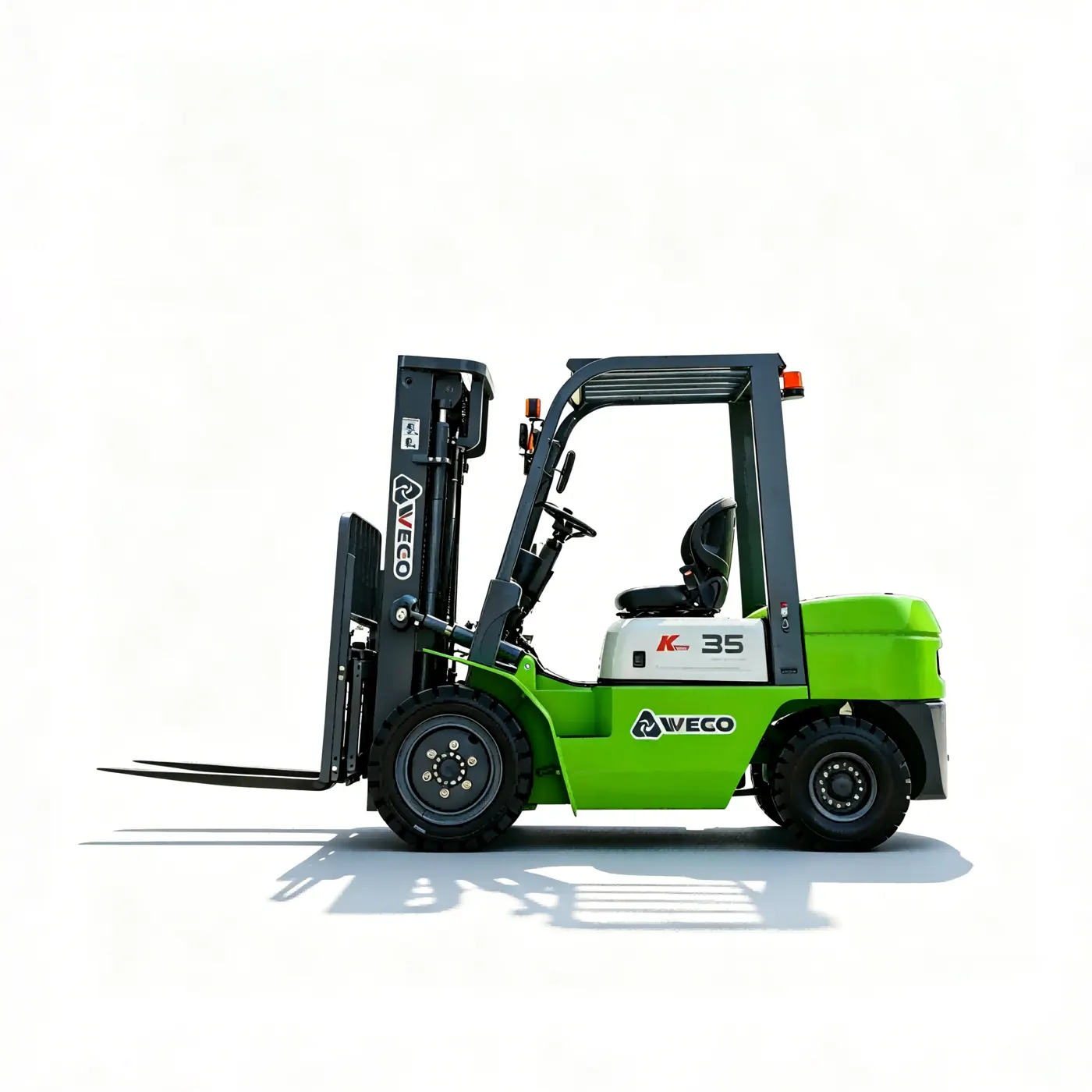
Battery planning is central to electric forklift availability. Lithium systems can support opportunity charging during suitable pauses, but the result depends on battery size, charger compatibility, shift demand, electrical capacity, and a disciplined charging procedure.
In a long-hour warehouse, trucks may return to a charging point during breaks, meal periods, or planned handoffs. This can reduce battery-change activity, but charging locations must remain accessible, controlled, ventilated as required, and separated from unsafe traffic or storage.
Confirm battery capacity, charger input, connector, charging time, daily travel, average load, number of shifts, temperature, display information, inspection routine, and backup plan. Avoid choosing a battery that is too small for the duty cycle or unnecessarily large for the application.
Before quotation, provide operating hours, break schedule, load pattern, charger location, available power, ambient conditions, truck model, fleet size, and expected expansion. Decide who will manage charging, inspections, records, and emergency procedures.
For export delivery, confirm electrical standards, manuals, labels, charger shipment, training, replacement process, warranty, spare parts, and technical support. WEGO can help align the lithium battery, forklift, charger, and after-sales plan.
技術選定チェックリスト
稼働サイクルと充電時間
バッテリー容量と充電器出力を決める前に、シフト時間、繁忙時間、休憩、充電可能時間を確認します。
充電インフラ
現地電圧、相数、コネクター、換気、配線経路、電気規則に適合する充電場所を確認します。
通路・ラック寸法
実際のパレットを使い、通路有効幅、直角積付け、ラック高、最下段梁、扉、旋回箇所を測定します。
バッテリー使用環境
温度、粉じん、湿気、洗浄方法、充電頻度によって必要なバッテリー仕様と保護等級が変わります。
日常点検計画
各シフト前にフォーク、チェーン、マスト、タイヤ、漏れ、ブレーキ、操舵、警報装置、バッテリーまたはエンジンを点検します。
輸出・立上げパッケージ
出荷前に説明書、表示、充電器またはエンジン、予備フィルター・シール、梱包、仕向書類を整えます。