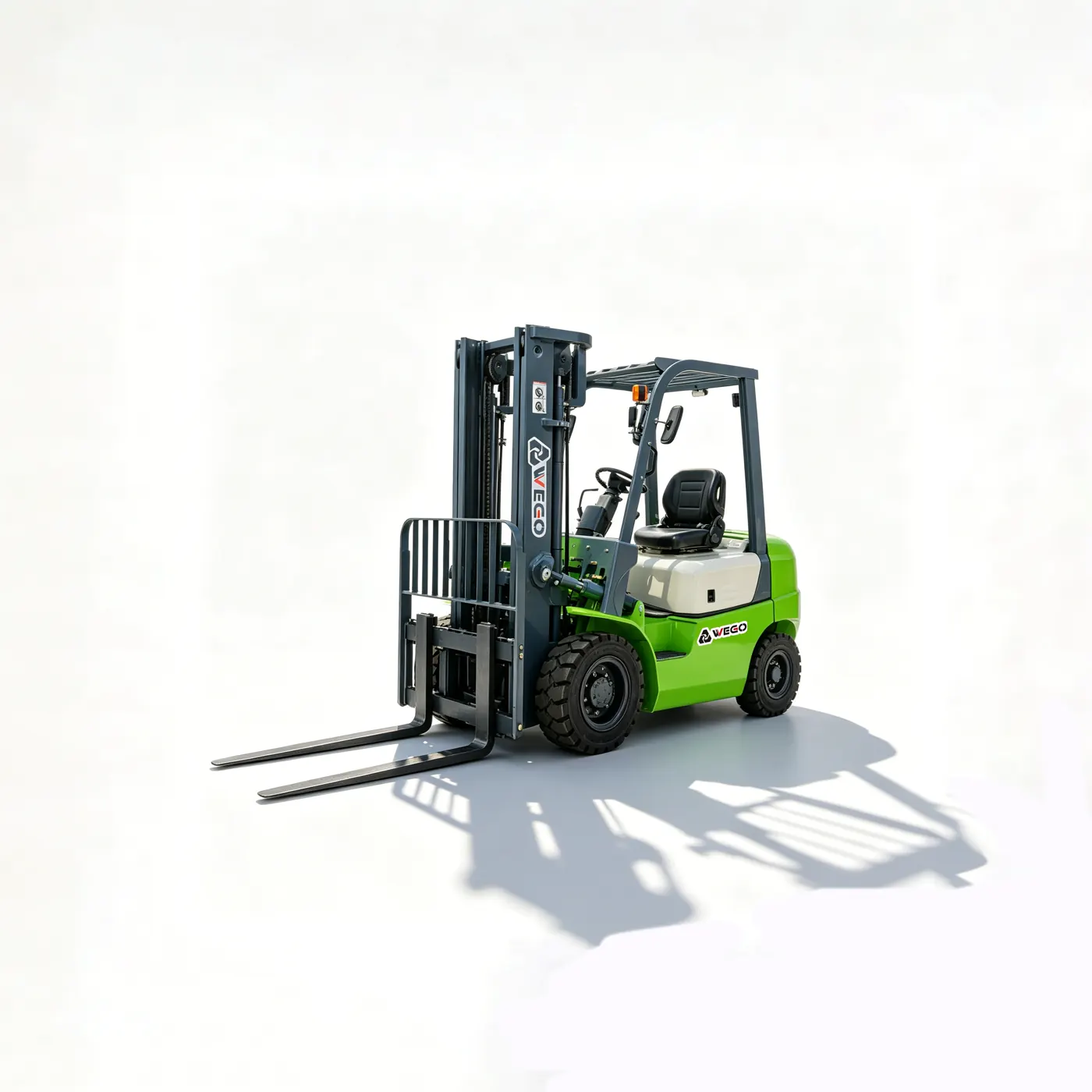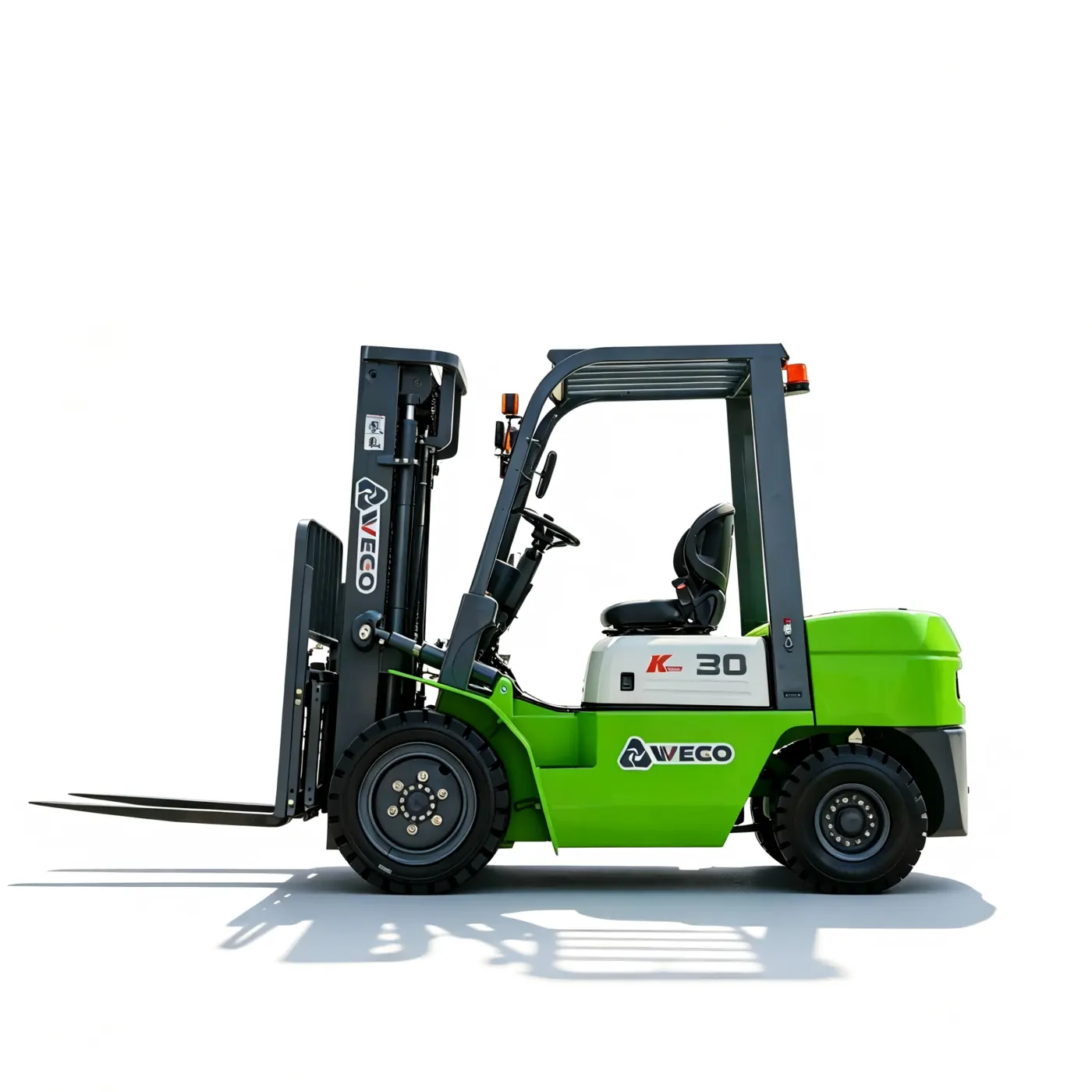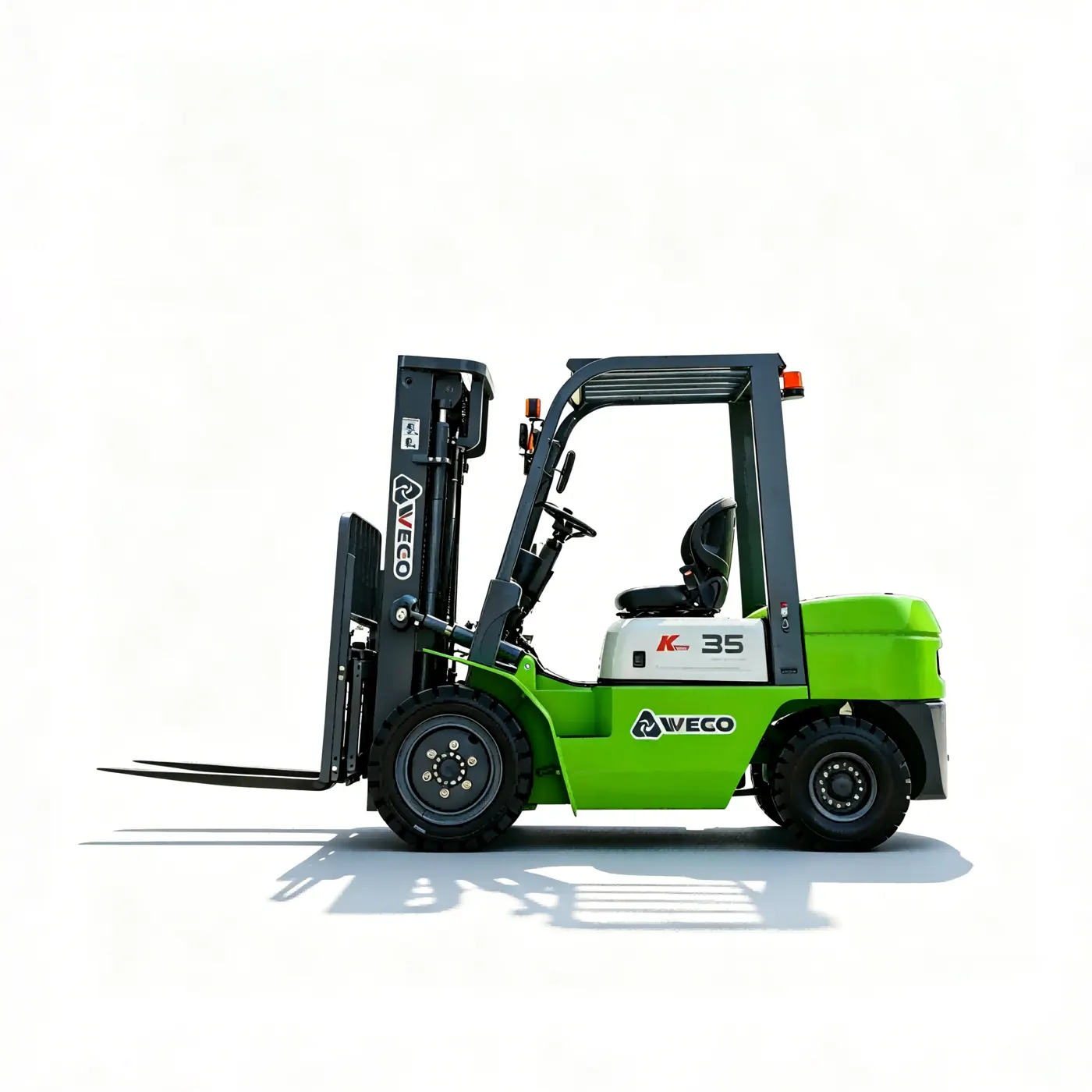
Electric forklifts are a practical cost-control option for many indoor warehouses and factories. Their value comes from the complete operating model, including electricity, maintenance, charging, utilization, downtime, and the conditions in which the truck works.
A typical indoor fleet may handle food, pharmaceutical, retail, or manufacturing loads across several shifts. Low noise and no tailpipe emissions can support enclosed work areas, while a planned charging routine helps managers avoid waiting time and unplanned battery changes.
Buyers should compare capacity, lift height, battery type, charger, tyre, mast, attachment, travel distance, and service access. An electric truck is only economical when its battery and charging system match the hours, load, and route required by the actual application.
Prepare annual operating hours, average load, maximum lift, aisle width, floor condition, shift schedule, electricity supply, and local service expectations before requesting a quote. Compare these facts with fuel, maintenance, and downtime assumptions for alternative power types.
For export projects, confirm manuals, charger standards, spare parts, training, maintenance intervals, and warranty communication. WEGO can help distributors and end users compare electric, diesel, and LPG solutions against a documented warehouse duty cycle.
技術選定チェックリスト
稼働サイクルと充電時間
バッテリー容量と充電器出力を決める前に、シフト時間、繁忙時間、休憩、充電可能時間を確認します。
充電インフラ
現地電圧、相数、コネクター、換気、配線経路、電気規則に適合する充電場所を確認します。
通路・ラック寸法
実際のパレットを使い、通路有効幅、直角積付け、ラック高、最下段梁、扉、旋回箇所を測定します。
バッテリー使用環境
温度、粉じん、湿気、洗浄方法、充電頻度によって必要なバッテリー仕様と保護等級が変わります。
日常点検計画
各シフト前にフォーク、チェーン、マスト、タイヤ、漏れ、ブレーキ、操舵、警報装置、バッテリーまたはエンジンを点検します。
輸出・立上げパッケージ
出荷前に説明書、表示、充電器またはエンジン、予備フィルター・シール、梱包、仕向書類を整えます。