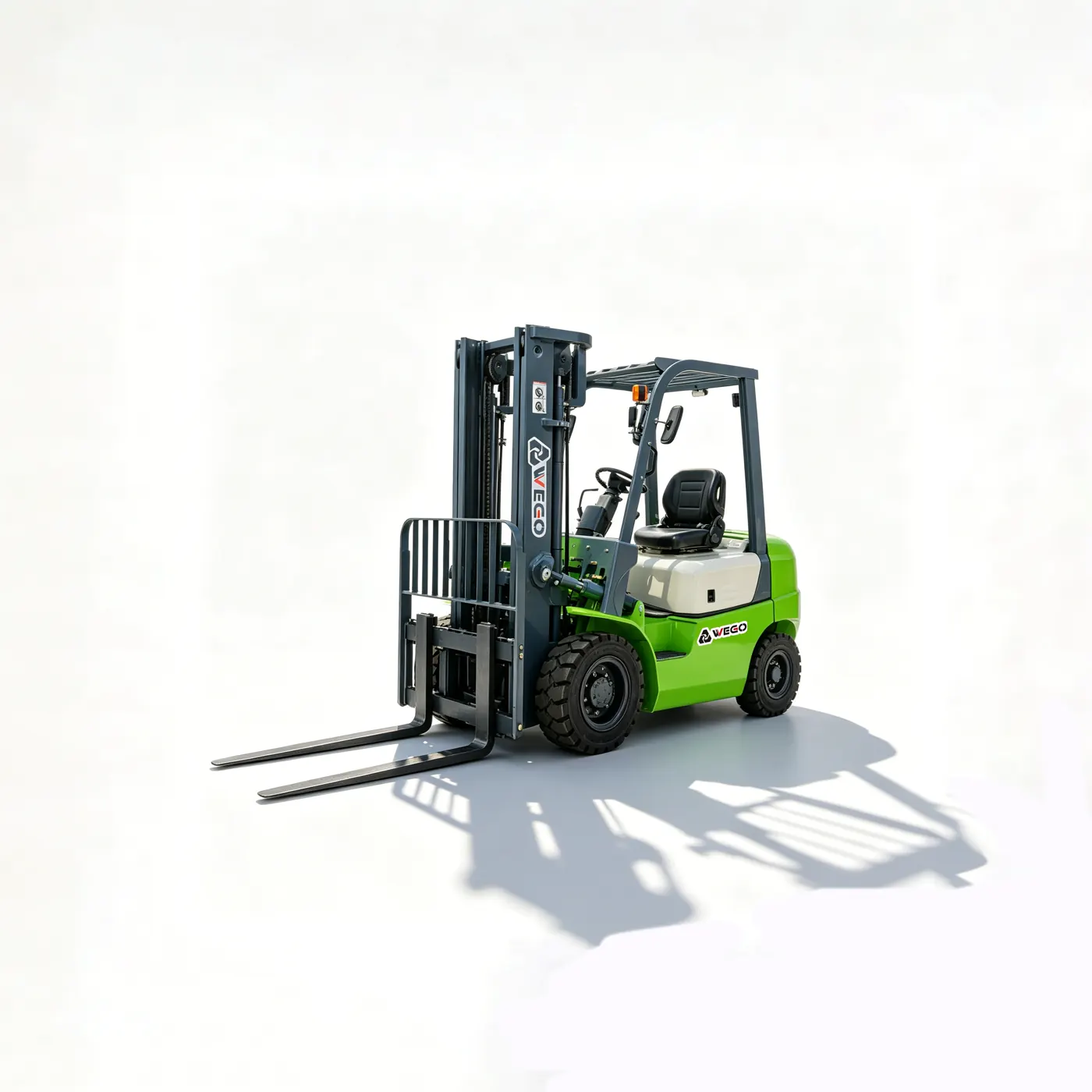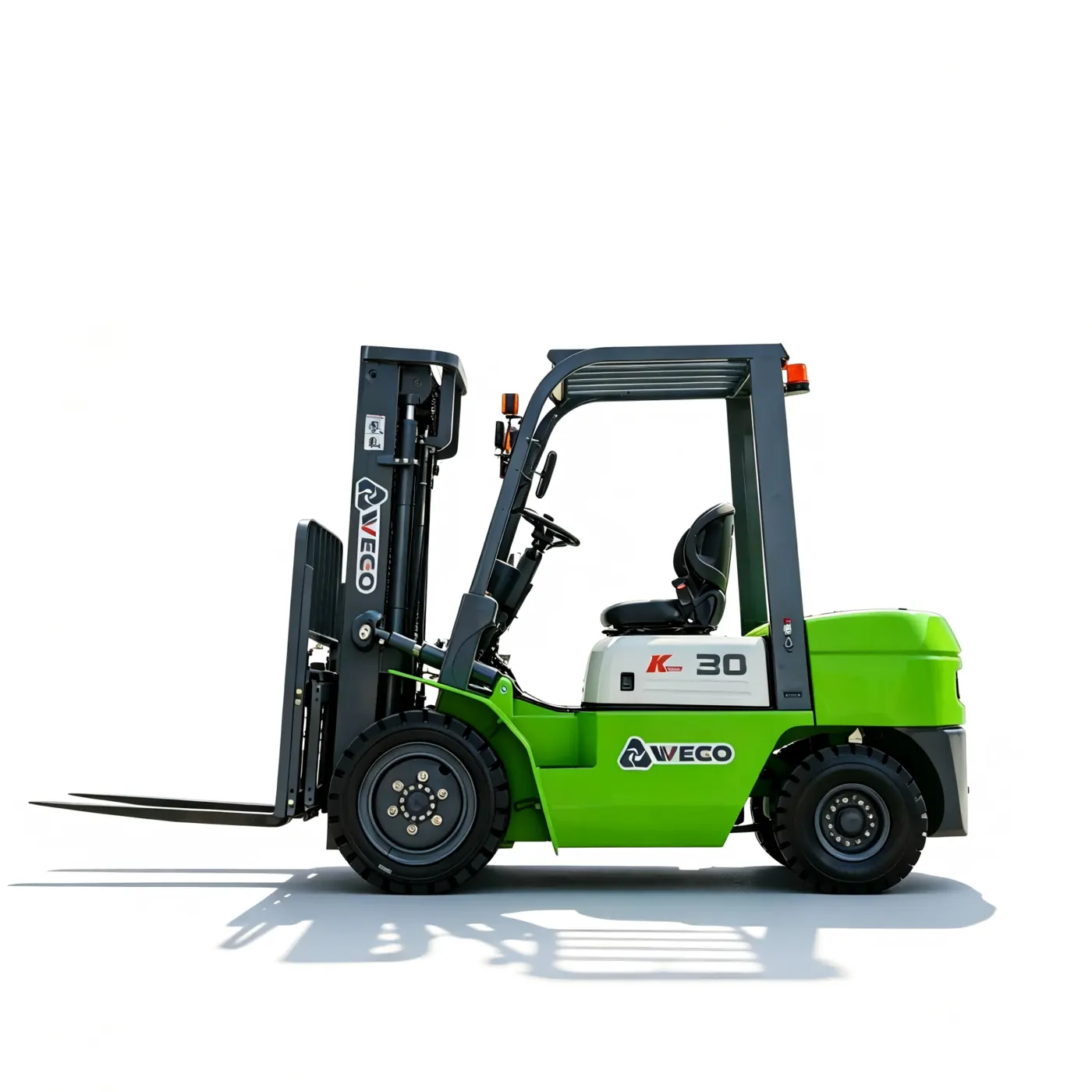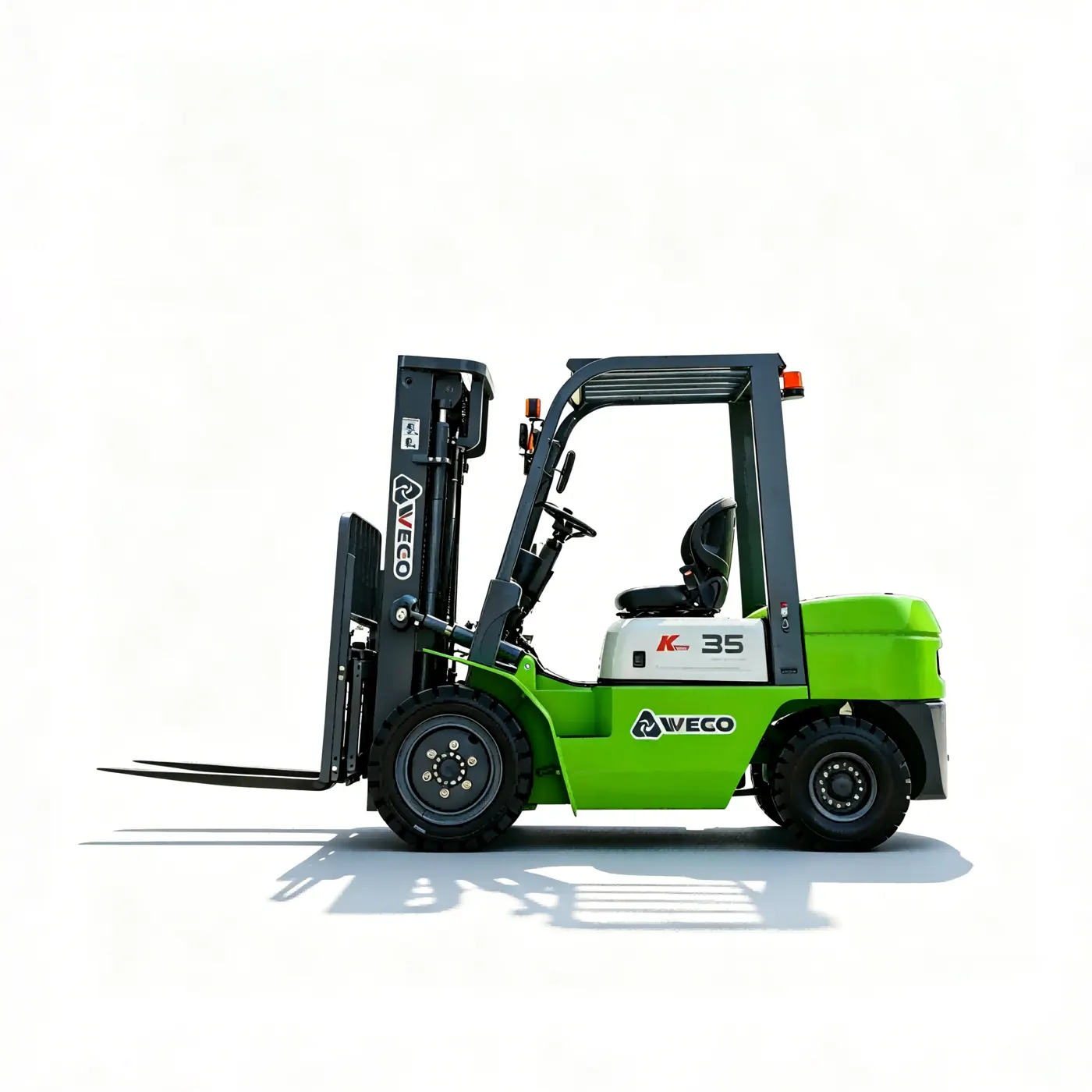
Electric forklifts are a practical cost-control option for many indoor warehouses and factories. Their value comes from the complete operating model, including electricity, maintenance, charging, utilization, downtime, and the conditions in which the truck works.
A typical indoor fleet may handle food, pharmaceutical, retail, or manufacturing loads across several shifts. Low noise and no tailpipe emissions can support enclosed work areas, while a planned charging routine helps managers avoid waiting time and unplanned battery changes.
Buyers should compare capacity, lift height, battery type, charger, tyre, mast, attachment, travel distance, and service access. An electric truck is only economical when its battery and charging system match the hours, load, and route required by the actual application.
Prepare annual operating hours, average load, maximum lift, aisle width, floor condition, shift schedule, electricity supply, and local service expectations before requesting a quote. Compare these facts with fuel, maintenance, and downtime assumptions for alternative power types.
For export projects, confirm manuals, charger standards, spare parts, training, maintenance intervals, and warranty communication. WEGO can help distributors and end users compare electric, diesel, and LPG solutions against a documented warehouse duty cycle.
기술 구매 체크리스트
작업 주기와 충전 시간
배터리 용량과 충전기 출력을 정하기 전에 교대 시간, 피크 시간, 휴식 및 충전 가능 시간을 확인합니다.
충전 인프라
현지 전압, 상수, 커넥터, 환기, 케이블 경로 및 전기 규정에 맞는 충전 구역을 확인합니다.
통로와 랙 치수
실제 팔레트를 기준으로 유효 통로 폭, 직각 적재 공간, 랙 높이, 최하단 빔, 출입문 및 회전 지점을 측정합니다.
배터리 운용 환경
온도, 먼지, 습기, 세척 방식 및 충전 빈도는 필요한 배터리 구성과 보호 수준에 영향을 줍니다.
일일 점검 계획
각 교대 전 포크, 체인, 마스트, 타이어, 누유, 브레이크, 조향, 경고 장치 및 배터리나 엔진 상태를 점검합니다.
수출 및 시운전 패키지
출하 전에 매뉴얼, 라벨, 충전기 또는 엔진 구성, 예비 필터와 씰, 포장 및 도착지 서류를 정리합니다.