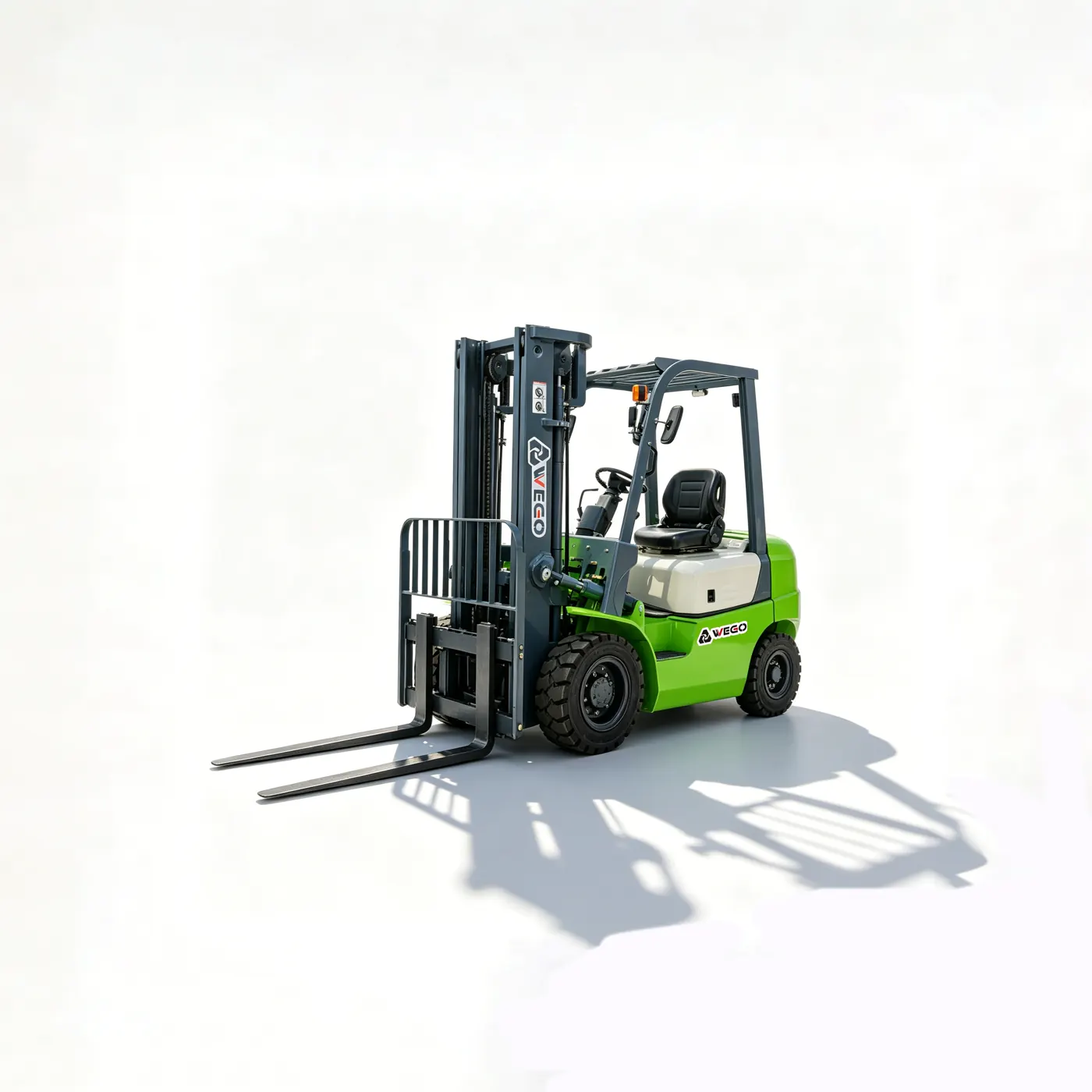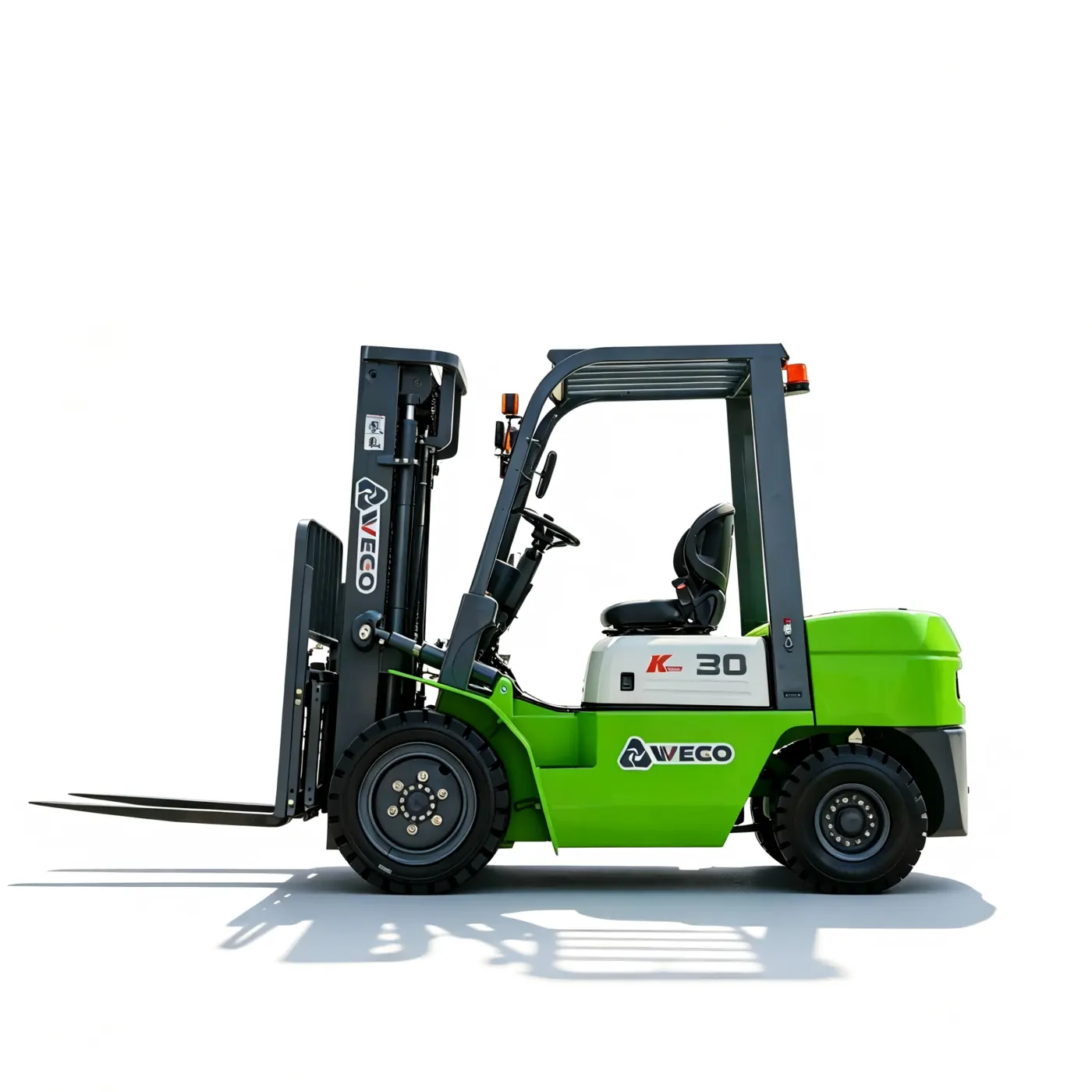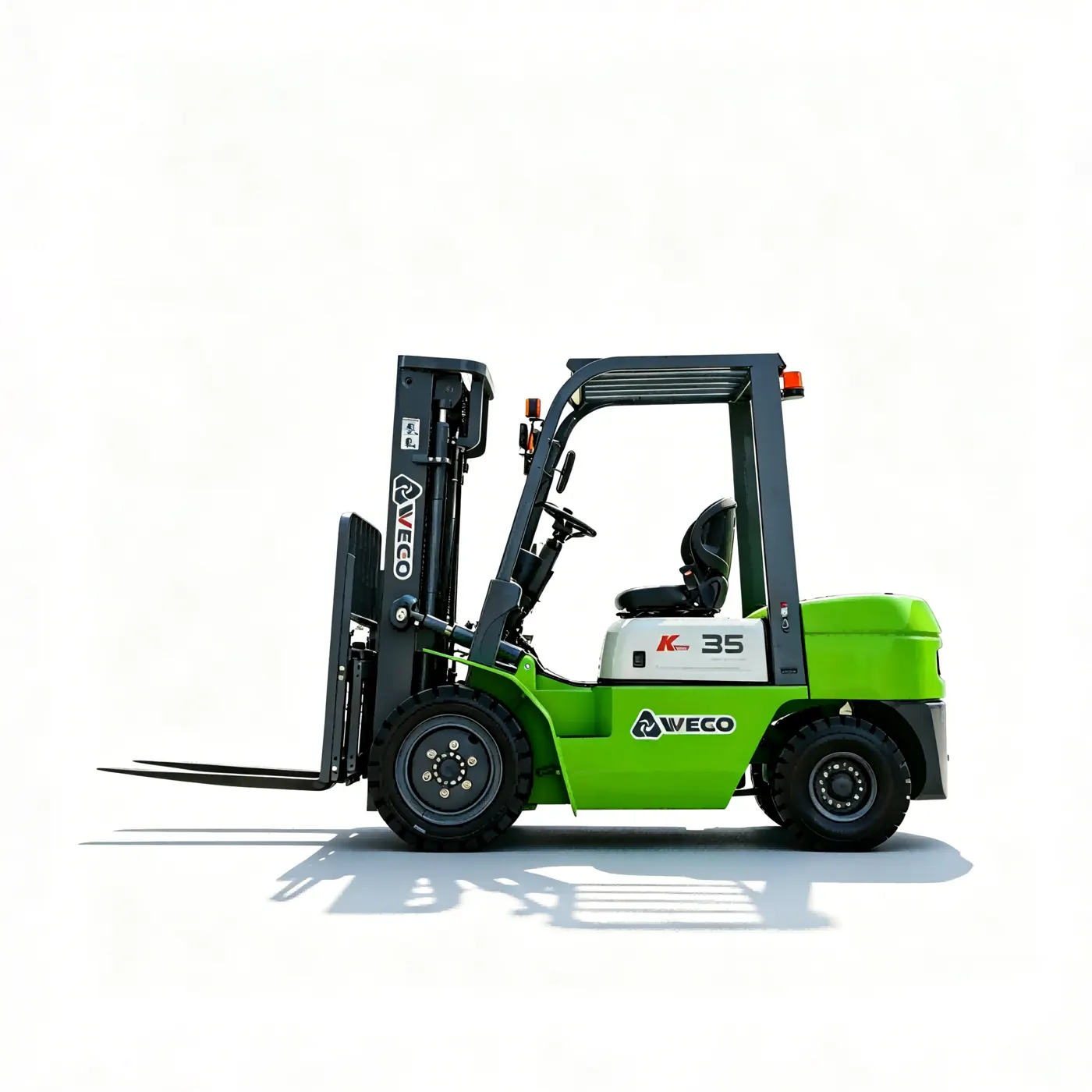
Recent warehouse coverage shows that electrification, automation, and connected fleet tools are developing together. For forklift buyers, the important question is how these technologies work within one operating plan. A safer project starts by defining the manual and automated tasks, then matching each truck, battery, charger, control system, and service process to that plan.
Consider a warehouse where electric forklifts replenish racks while automated vehicles move pallets between production and storage. Crossings, staging areas, blind corners, dock approaches, and temporary stock locations can create risk when people and machines share the same route. Separate pedestrian paths, clear right-of-way rules, visible zones, and a simple process for human intervention make the operating scene easier to control.
Key configuration points include truck capacity at the real load center and lift height, mast visibility, tyre selection, attachment, speed settings, warning devices, battery capacity, charger input, and the interface with warehouse software. Automation also requires reliable floor conditions, repeatable pallet presentation, safe stopping zones, and a manual recovery method. Configuration-dependent performance should be confirmed from the site data during quotation.
Before requesting a quotation, prepare pallet dimensions and weights, rack layout, aisle widths, floor condition, route map, pedestrian crossings, shift schedule, charging windows, electrical supply, network coverage, and exception cases. State whether the project is manual, semi-automated, or fully automated, and identify who will train operators, review safety events, maintain equipment, and respond when a route is blocked.
For export delivery, align the truck and automation documentation with local requirements, destination voltage, software responsibilities, training language, spare parts, commissioning, warranty, and technical support. WEGO can help buyers compare electric forklifts, pallet stackers, and staged automation options so that productivity improvements do not create avoidable safety or after-sales gaps.
技術選定チェックリスト
走行距離・操作方式
歩行式は短い断続運搬向けです。長距離・高頻度では現場確認後にステップ付きや搭乗式を検討します。
通路・ラック寸法
実際のパレットを使い、通路有効幅、直角積付け、ラック高、最下段梁、扉、旋回箇所を測定します。
パレット・ラック適合
パレット底面、差込口、荷の張り出し、ラック梁高、床面クリアランス、フリーリフトを確認します。
稼働サイクルと充電時間
バッテリー容量と充電器出力を決める前に、シフト時間、繁忙時間、休憩、充電可能時間を確認します。
フリート部品共通化
混合フリートの整備を複雑にしないよう、バッテリー、充電器、車輪、操作系、消耗品、診断を比較します。
輸出・立上げパッケージ
出荷前に説明書、表示、充電器またはエンジン、予備フィルター・シール、梱包、仕向書類を整えます。