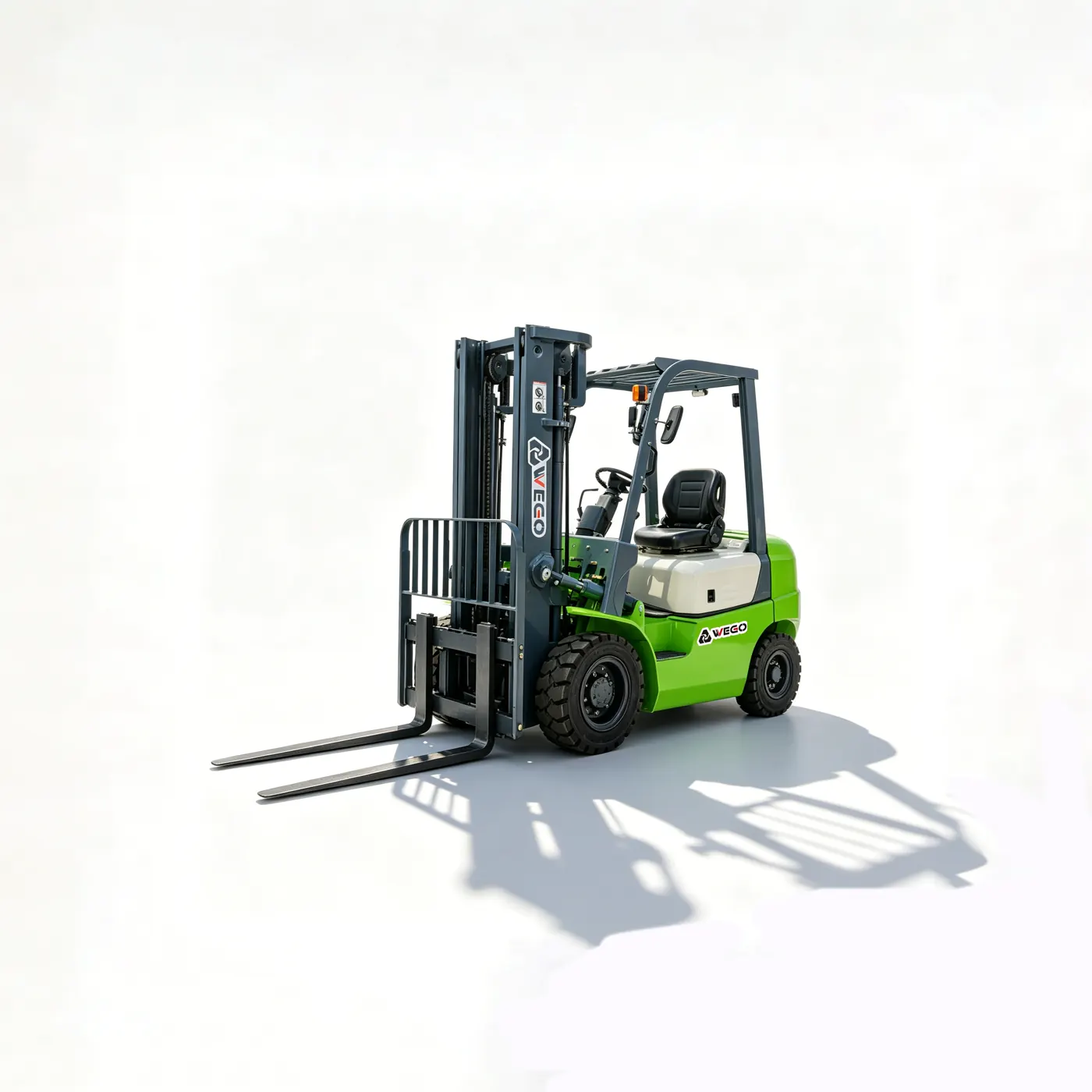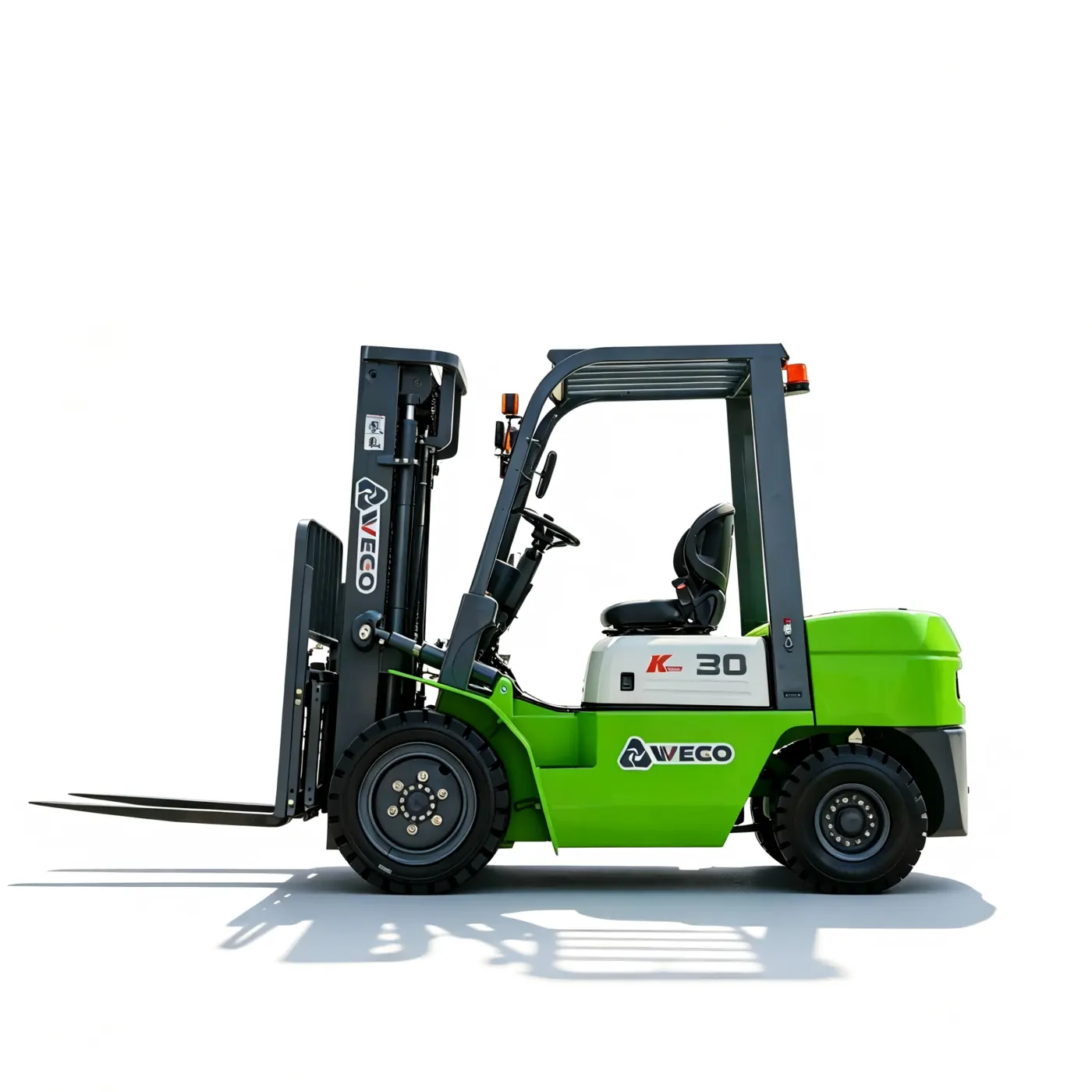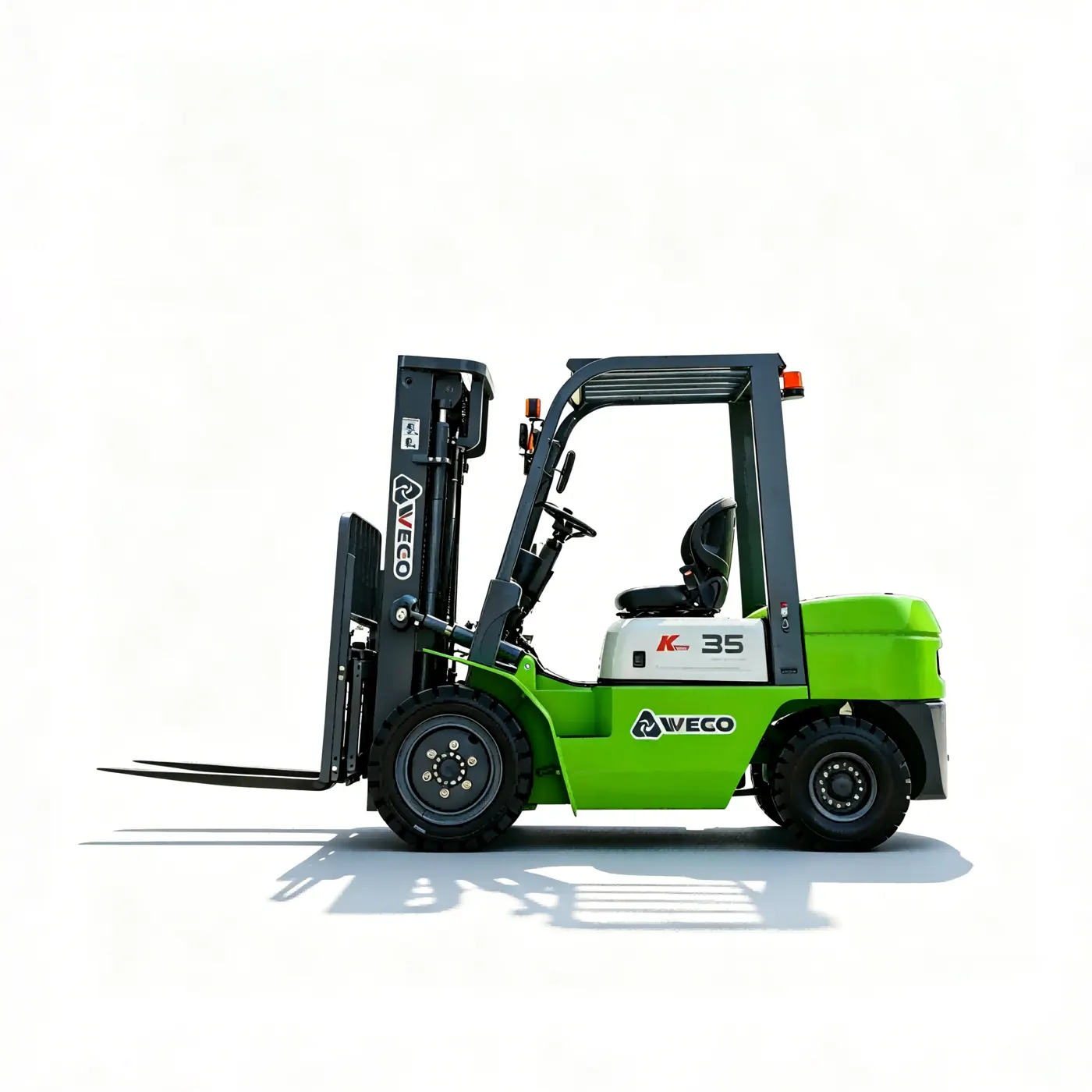
Recent warehouse coverage shows that electrification, automation, and connected fleet tools are developing together. For forklift buyers, the important question is how these technologies work within one operating plan. A safer project starts by defining the manual and automated tasks, then matching each truck, battery, charger, control system, and service process to that plan.
Consider a warehouse where electric forklifts replenish racks while automated vehicles move pallets between production and storage. Crossings, staging areas, blind corners, dock approaches, and temporary stock locations can create risk when people and machines share the same route. Separate pedestrian paths, clear right-of-way rules, visible zones, and a simple process for human intervention make the operating scene easier to control.
Key configuration points include truck capacity at the real load center and lift height, mast visibility, tyre selection, attachment, speed settings, warning devices, battery capacity, charger input, and the interface with warehouse software. Automation also requires reliable floor conditions, repeatable pallet presentation, safe stopping zones, and a manual recovery method. Configuration-dependent performance should be confirmed from the site data during quotation.
Before requesting a quotation, prepare pallet dimensions and weights, rack layout, aisle widths, floor condition, route map, pedestrian crossings, shift schedule, charging windows, electrical supply, network coverage, and exception cases. State whether the project is manual, semi-automated, or fully automated, and identify who will train operators, review safety events, maintain equipment, and respond when a route is blocked.
For export delivery, align the truck and automation documentation with local requirements, destination voltage, software responsibilities, training language, spare parts, commissioning, warranty, and technical support. WEGO can help buyers compare electric forklifts, pallet stackers, and staged automation options so that productivity improvements do not create avoidable safety or after-sales gaps.
Lista tecnica para compradores
Distancia y modo del operador
El equipo peatonal sirve para rutas cortas; trayectos largos o frecuentes pueden requerir plataforma o conductor a bordo.
Geometria de pasillos y estanterias
Mida ancho libre, espacio de apilado, altura de rack, viga inferior, puertas y giros con el pale real.
Compatibilidad de pales y racks
Confirme base abierta o cerrada, entradas de horquilla, saliente, altura de viga, holgura y elevacion libre.
Ciclo de trabajo y ventana de carga
Registre horas por turno, picos, pausas y tiempo de carga antes de elegir bateria y cargador.
Compatibilidad de repuestos
Compare baterias, cargadores, ruedas, controles, desgaste y diagnostico para evitar complejidad innecesaria.
Paquete de exportacion y puesta en marcha
Coordine manuales, etiquetas, cargador o motor, filtros y retenes, embalaje y documentos antes del envio.