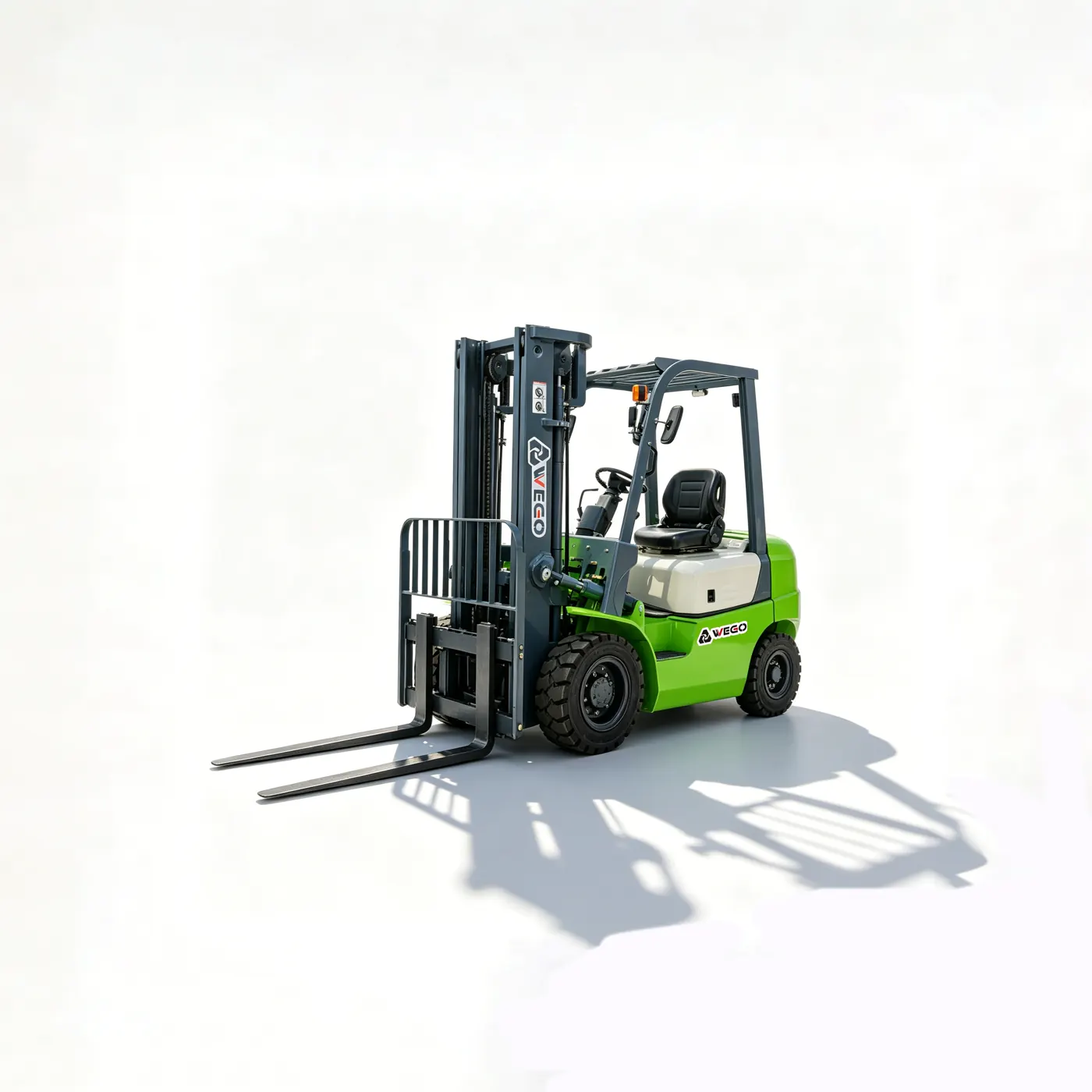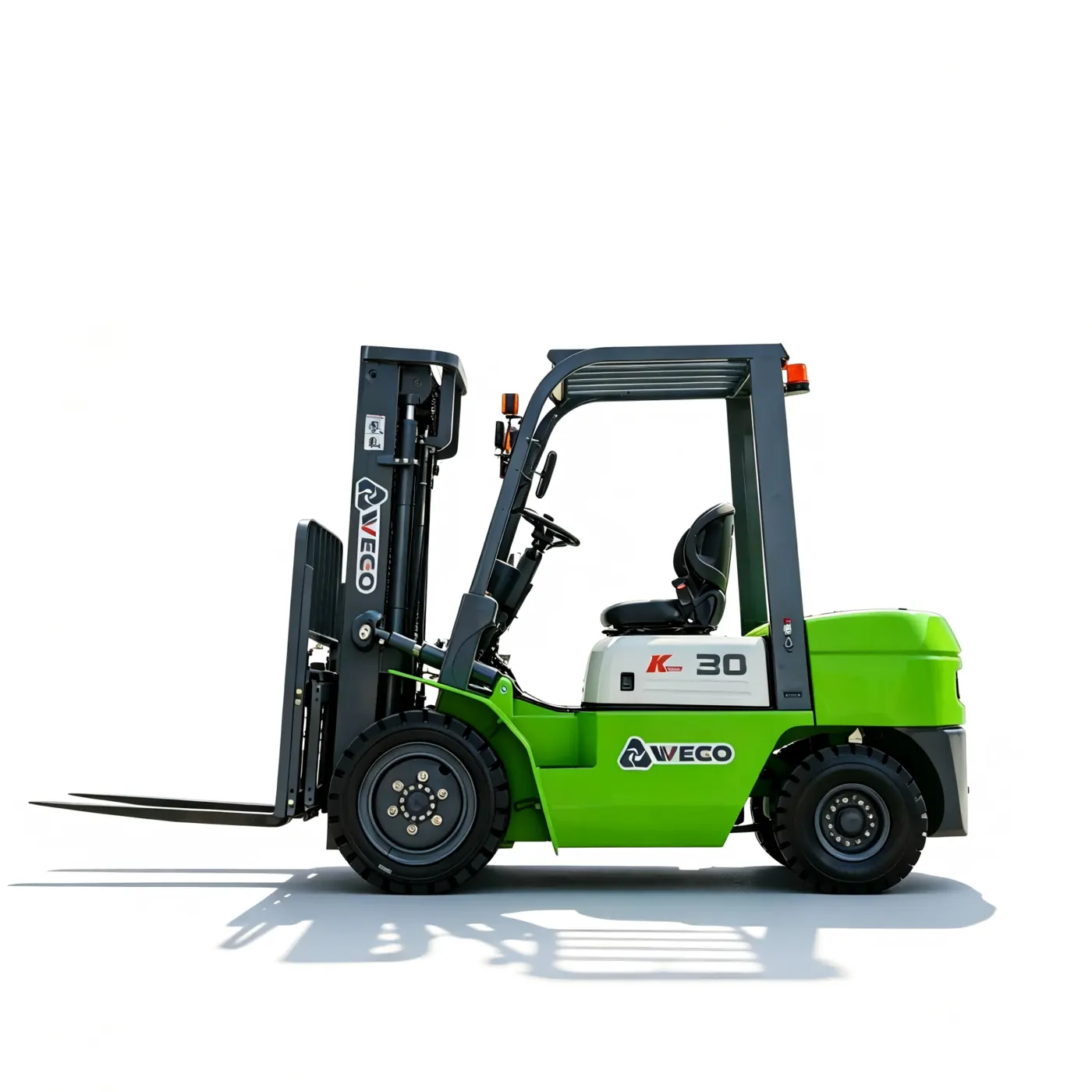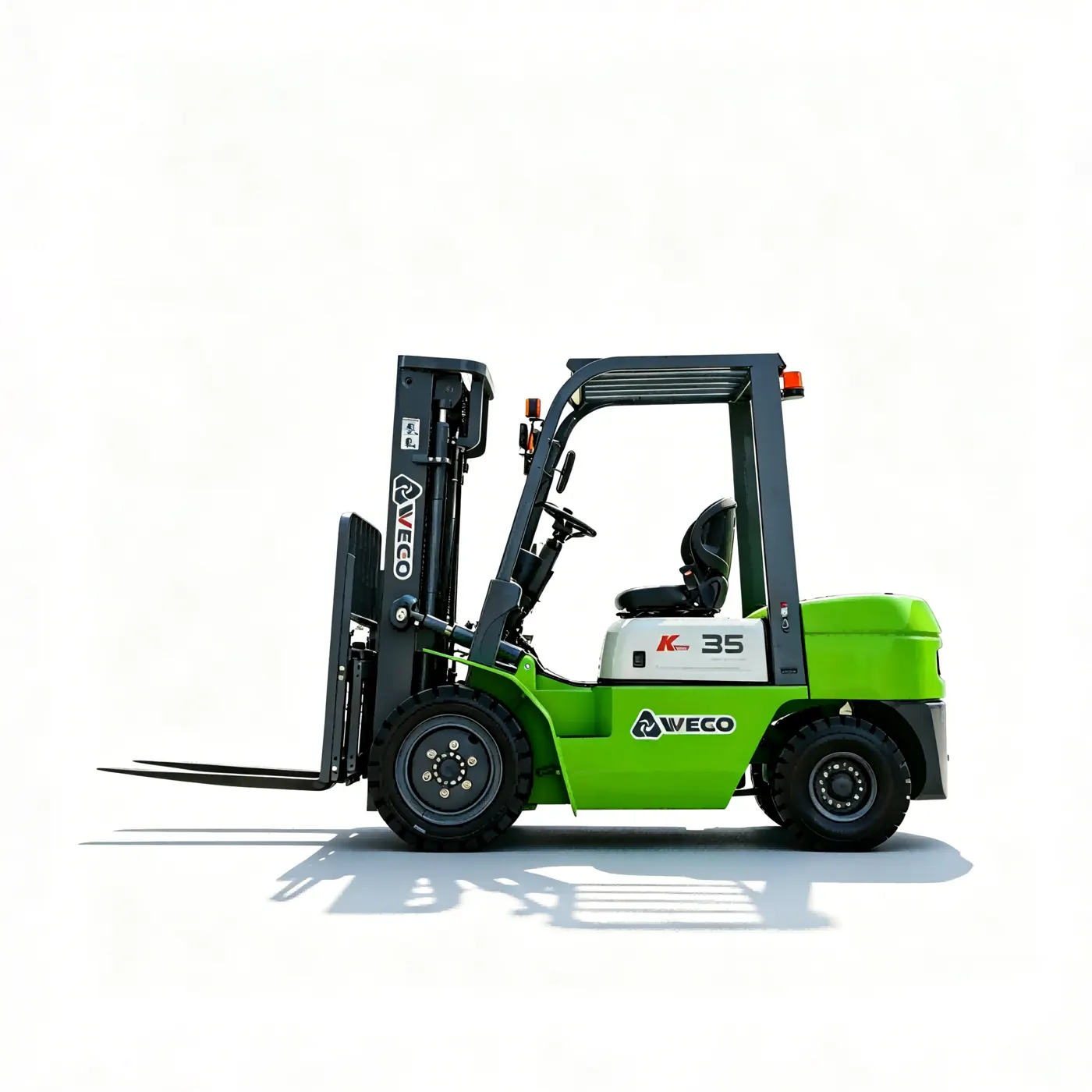
Recent warehouse coverage shows that electrification, automation, and connected fleet tools are developing together. For forklift buyers, the important question is how these technologies work within one operating plan. A safer project starts by defining the manual and automated tasks, then matching each truck, battery, charger, control system, and service process to that plan.
Consider a warehouse where electric forklifts replenish racks while automated vehicles move pallets between production and storage. Crossings, staging areas, blind corners, dock approaches, and temporary stock locations can create risk when people and machines share the same route. Separate pedestrian paths, clear right-of-way rules, visible zones, and a simple process for human intervention make the operating scene easier to control.
Key configuration points include truck capacity at the real load center and lift height, mast visibility, tyre selection, attachment, speed settings, warning devices, battery capacity, charger input, and the interface with warehouse software. Automation also requires reliable floor conditions, repeatable pallet presentation, safe stopping zones, and a manual recovery method. Configuration-dependent performance should be confirmed from the site data during quotation.
Before requesting a quotation, prepare pallet dimensions and weights, rack layout, aisle widths, floor condition, route map, pedestrian crossings, shift schedule, charging windows, electrical supply, network coverage, and exception cases. State whether the project is manual, semi-automated, or fully automated, and identify who will train operators, review safety events, maintain equipment, and respond when a route is blocked.
For export delivery, align the truck and automation documentation with local requirements, destination voltage, software responsibilities, training language, spare parts, commissioning, warranty, and technical support. WEGO can help buyers compare electric forklifts, pallet stackers, and staged automation options so that productivity improvements do not create avoidable safety or after-sales gaps.
Technische Kaufer-Checkliste
Fahrstrecke und Bedienart
Mitgaengergeraete passen zu kurzen Wegen; lange oder haeufige Fahrten koennen Plattform- oder Fahrersitzgeraete rechtfertigen.
Gang- und Regalgeometrie
Freie Gangbreite, Rechtwinkelstapelgang, Regalhoehe, unterer Traeger, Tore und Wendepunkte sind mit der realen Palette zu messen.
Paletten- und Regalkompatibilitaet
Offene oder geschlossene Palette, Gabeltaschen, Ueberstand, Regaltraeger, Bodenfreiheit und Freihub klaeren.
Einsatzzyklus und Ladefenster
Vor der Wahl von Batterie und Ladegeraet sind Schichtstunden, Spitzenzeiten, Pausen und Ladefenster zu erfassen.
Teilegleichheit im Fuhrpark
Batterien, Ladegeraete, Raeder, Bedienung, Verschleissteile und Diagnose vergleichen, um Servicekomplexitaet zu vermeiden.
Export- und Inbetriebnahmepaket
Handbuecher, Kennzeichnung, Ladegeraet oder Motor, Filter und Dichtungen, Verpackung und Zieldokumente vor Versand abstimmen.