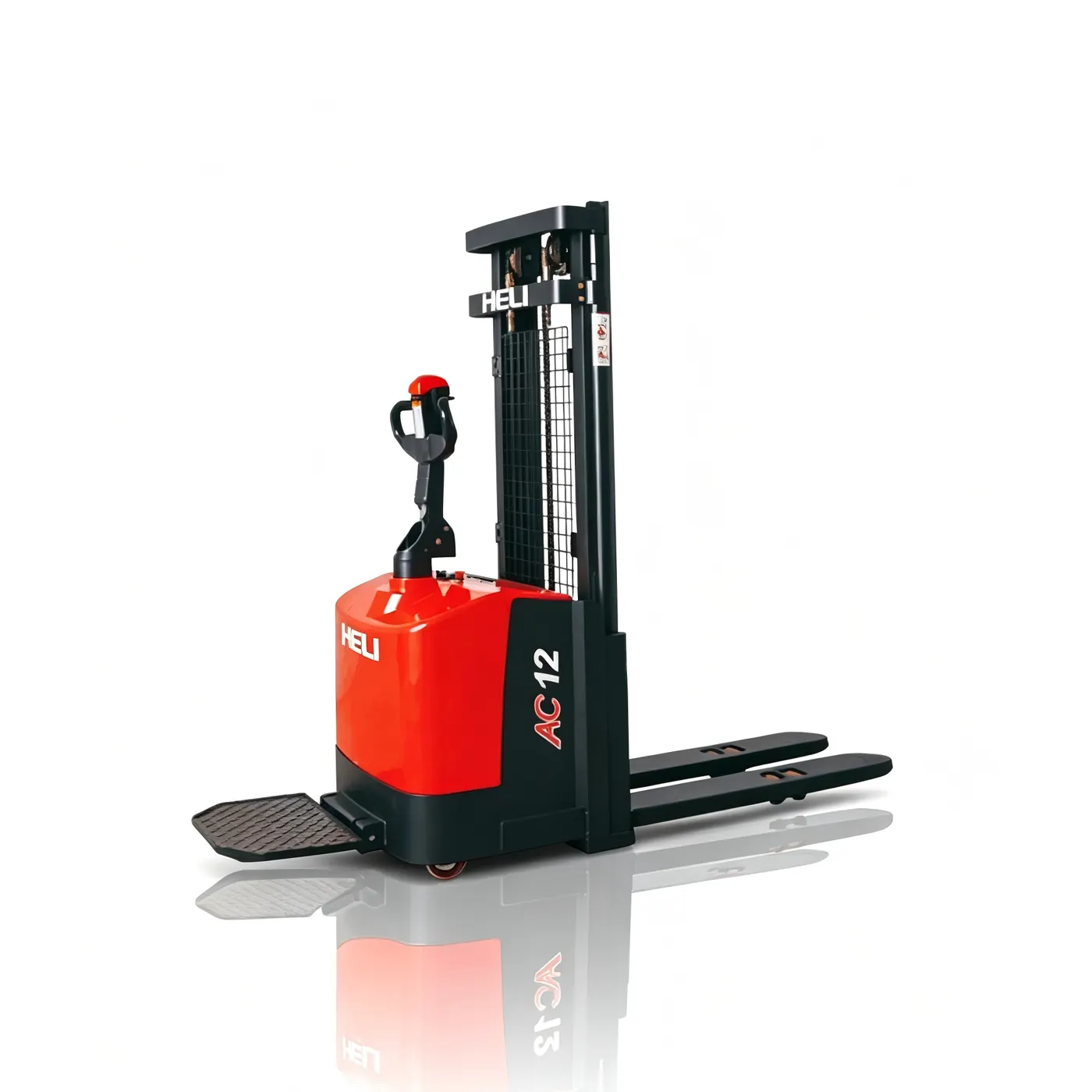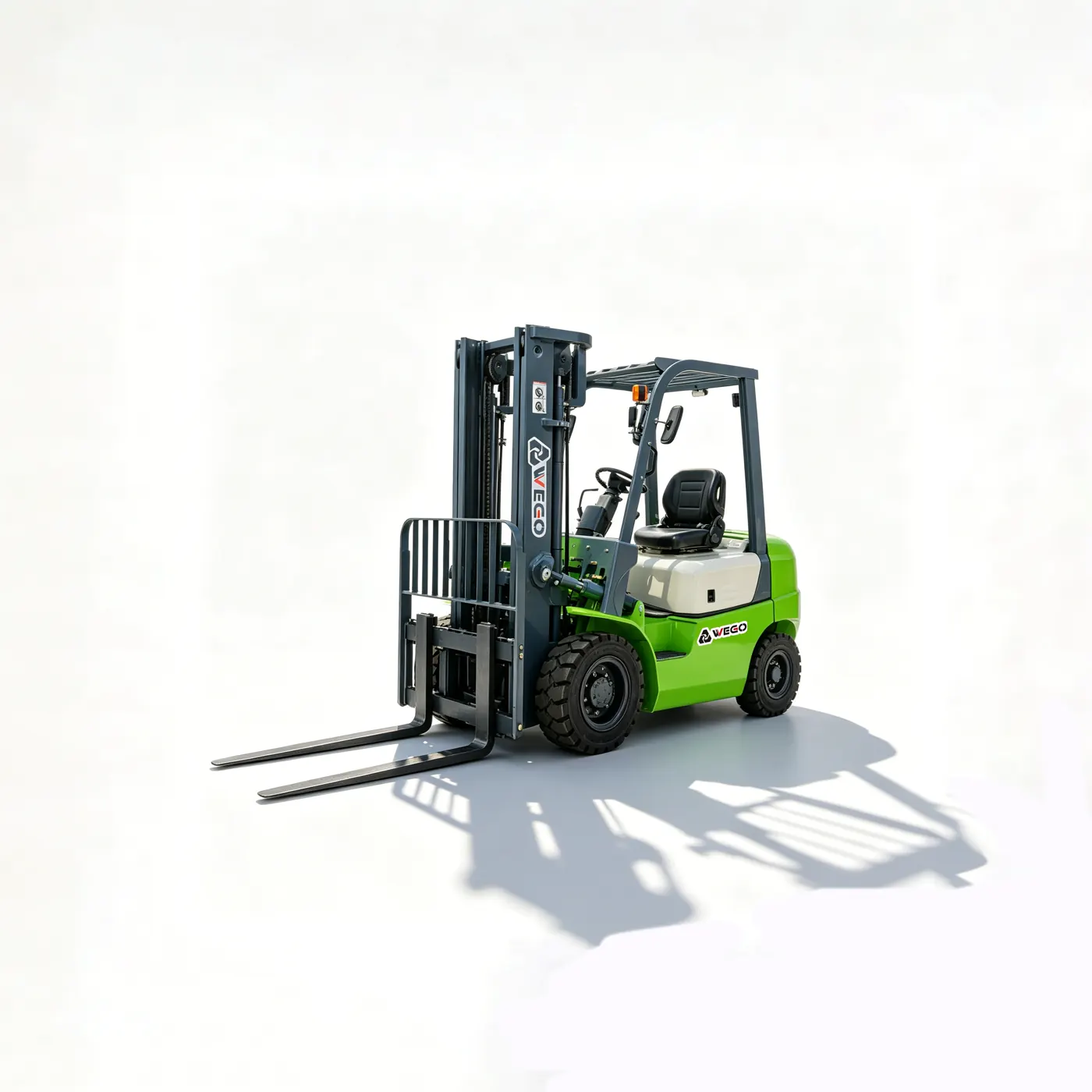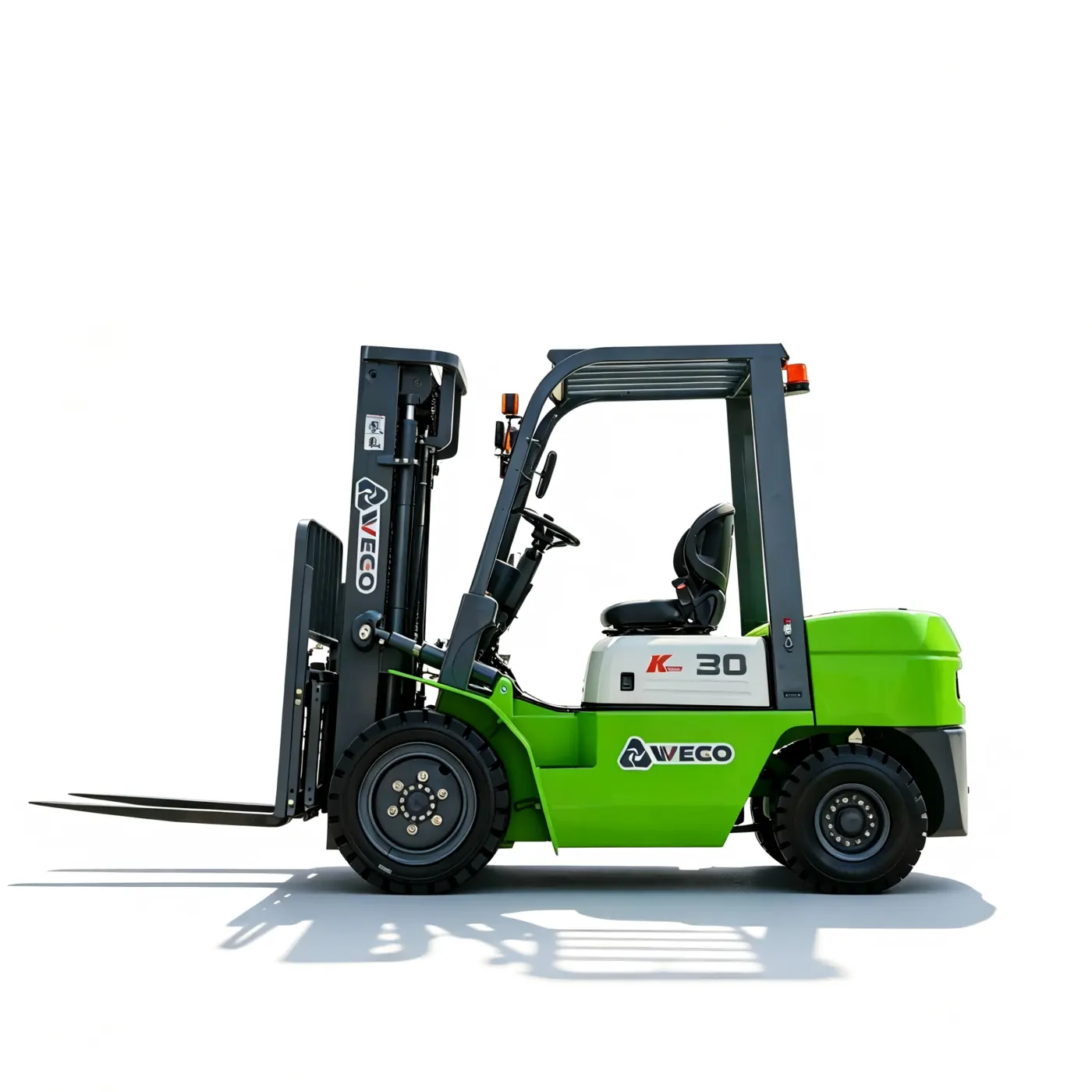
Forklift safety is a system involving the truck, operator, pedestrians, layout, and operating rules. Warning lights or sensors can support safer work, but they cannot replace training, inspections, clear routes, or a properly matched configuration.
A busy warehouse may have forklifts crossing pedestrian aisles, reversing near docks, or stacking loads around blind corners. Managers should identify those interaction points and decide where separation, speed control, visibility improvements, or additional procedures are needed.
Review mast visibility, overhead guard, lighting, reverse alarm, warning beacon, seat sensor, speed setting, impact monitoring, and attachment visibility. Select options according to the risk and environment, not as a generic list added after the truck has already been specified.
Before quotation, map pedestrian routes, vehicle lanes, blind corners, dock edges, floor conditions, load heights, shift patterns, and operator experience. Confirm inspection frequency, training responsibility, local requirements, and how safety events will be reviewed.
For export projects, align safety options with manuals, labels, training materials, service support, and local rules. WEGO can help customers combine suitable equipment, operating procedures, and after-sales guidance for a more controlled material-handling environment.
技術選定チェックリスト
走行距離・操作方式
歩行式は短い断続運搬向けです。長距離・高頻度では現場確認後にステップ付きや搭乗式を検討します。
通路・ラック寸法
実際のパレットを使い、通路有効幅、直角積付け、ラック高、最下段梁、扉、旋回箇所を測定します。
パレット・ラック適合
パレット底面、差込口、荷の張り出し、ラック梁高、床面クリアランス、フリーリフトを確認します。
稼働サイクルと充電時間
バッテリー容量と充電器出力を決める前に、シフト時間、繁忙時間、休憩、充電可能時間を確認します。
フリート部品共通化
混合フリートの整備を複雑にしないよう、バッテリー、充電器、車輪、操作系、消耗品、診断を比較します。
輸出・立上げパッケージ
出荷前に説明書、表示、充電器またはエンジン、予備フィルター・シール、梱包、仕向書類を整えます。