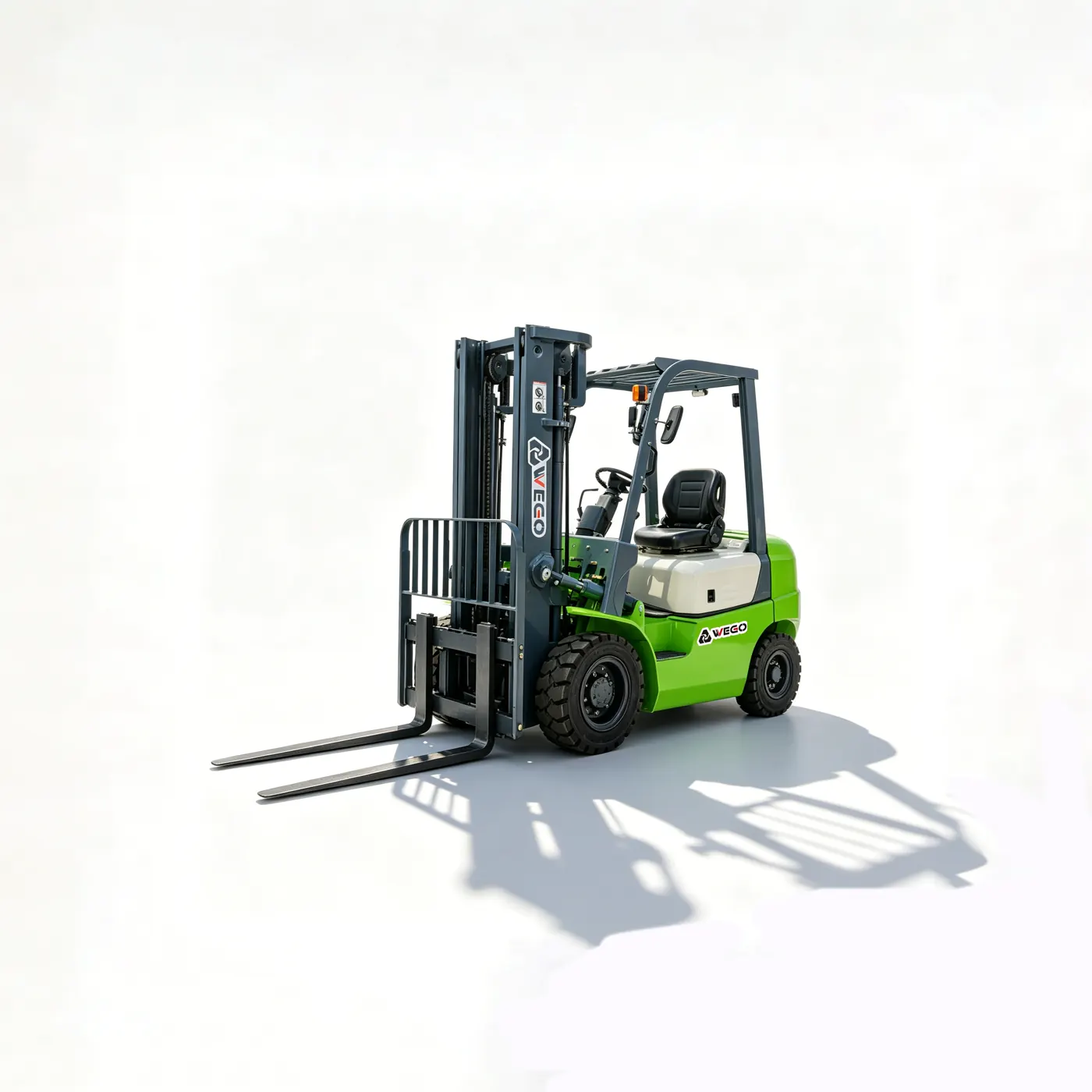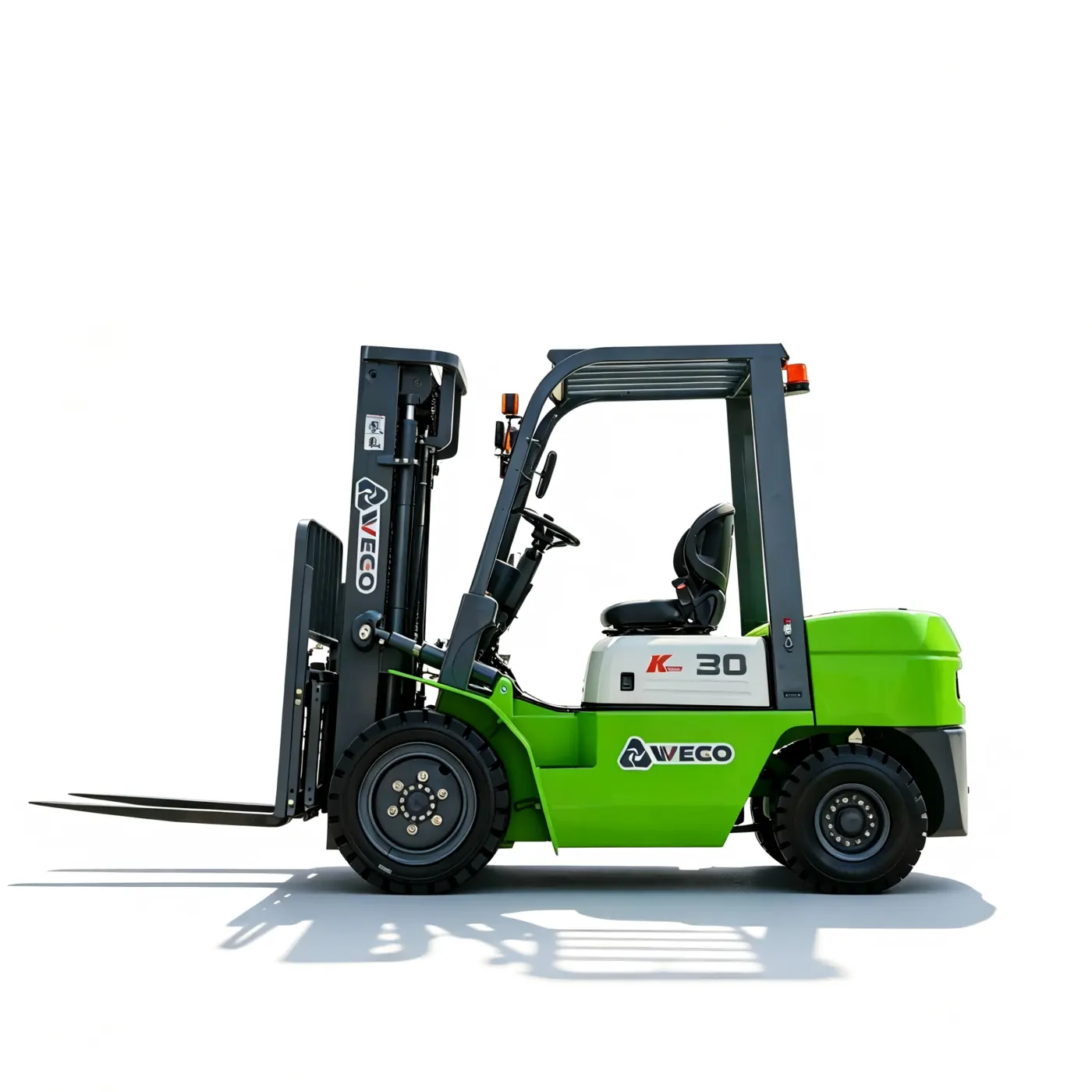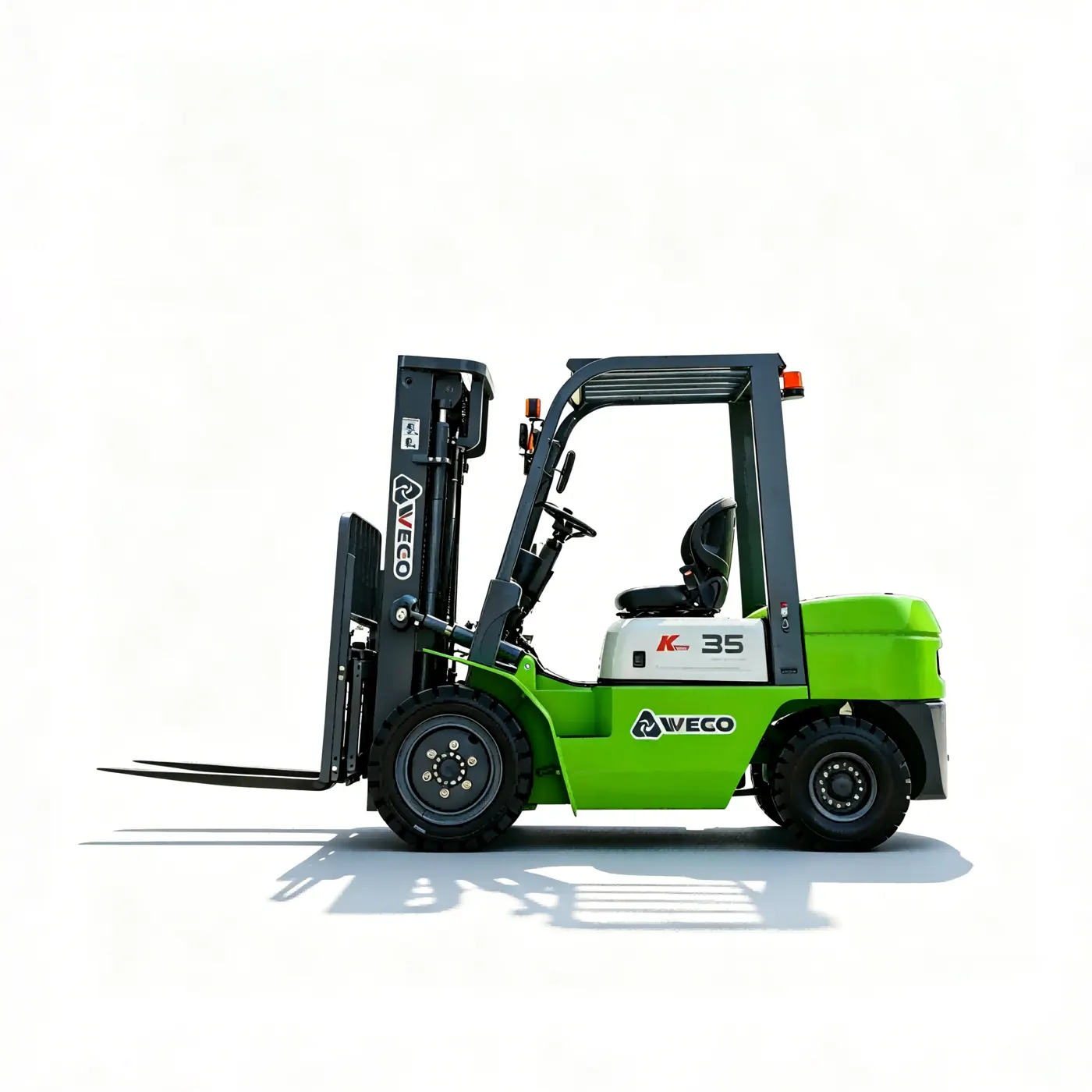
Warehouse forklift safety is not only an operator training issue; it is also a purchasing decision. Recent safety guidance has renewed attention on powered industrial truck operations, so buyers should evaluate the whole work system before selecting a model. Start with the load, travel distance, shift pattern, and people who share the route, then choose a truck that supports controlled and repeatable handling.
Picture a busy distribution aisle where a forklift leaves a charging area, crosses a pedestrian route, collects a mixed pallet, and approaches a dock or rack. Blind corners, uneven floors, trailer thresholds, and changing pallet quality can matter as much as rated capacity. A useful specification therefore considers turning space, visibility, braking control, warning devices, and how supervisors will manage temporary obstructions.
Key configuration points include capacity at the actual load center, lift height, mast visibility, fork length, attachment needs, tire type, travel speed, seatbelt and operator-protection features, lighting, and battery or fuel planning. Electric trucks also require a realistic charging location, electrical supply, ventilation approach where applicable, and a plan for battery availability across shifts. Confirm performance against site conditions rather than relying on a headline specification.
Before requesting a quotation, prepare pallet dimensions and weights, load-center details, rack beam heights, aisle widths, floor and ramp conditions, dock layout, pedestrian crossings, indoor or outdoor use, duty hours, and local compliance requirements. Also record current incident risks, inspection routines, operator skill levels, maintenance access, and the cost of stopping production when a truck is unavailable.
For export projects, align the quotation with destination voltage, safety documentation, operator manuals, spare-parts availability, training language, warranty scope, commissioning responsibility, and response times for technical support. WEGO can help compare electric forklift and warehouse truck options around the real operating scene, so safety controls, productivity goals, and after-sales coverage are planned together.
技術選定チェックリスト
稼働サイクルと充電時間
バッテリー容量と充電器出力を決める前に、シフト時間、繁忙時間、休憩、充電可能時間を確認します。
充電インフラ
現地電圧、相数、コネクター、換気、配線経路、電気規則に適合する充電場所を確認します。
通路・ラック寸法
実際のパレットを使い、通路有効幅、直角積付け、ラック高、最下段梁、扉、旋回箇所を測定します。
バッテリー使用環境
温度、粉じん、湿気、洗浄方法、充電頻度によって必要なバッテリー仕様と保護等級が変わります。
日常点検計画
各シフト前にフォーク、チェーン、マスト、タイヤ、漏れ、ブレーキ、操舵、警報装置、バッテリーまたはエンジンを点検します。
輸出・立上げパッケージ
出荷前に説明書、表示、充電器またはエンジン、予備フィルター・シール、梱包、仕向書類を整えます。