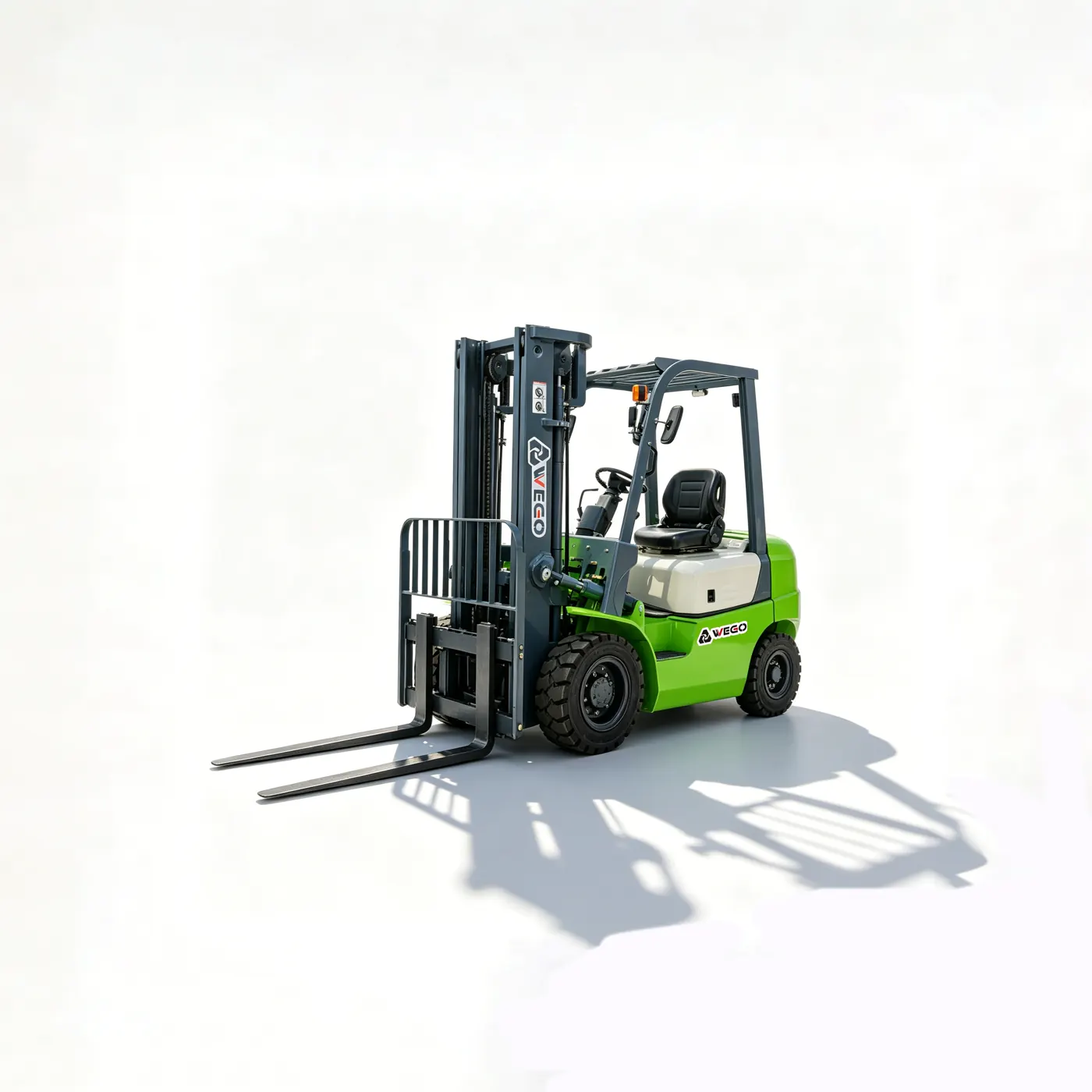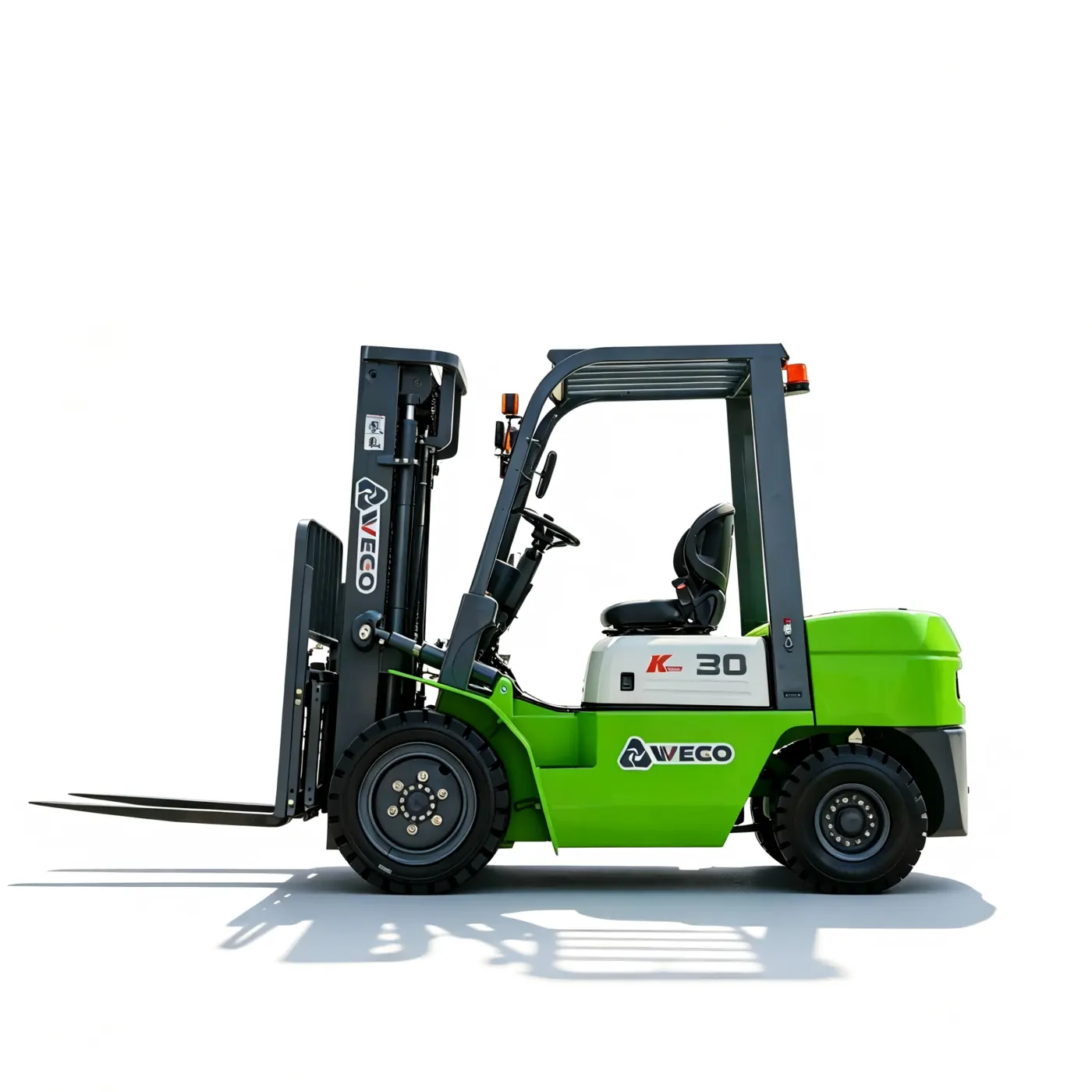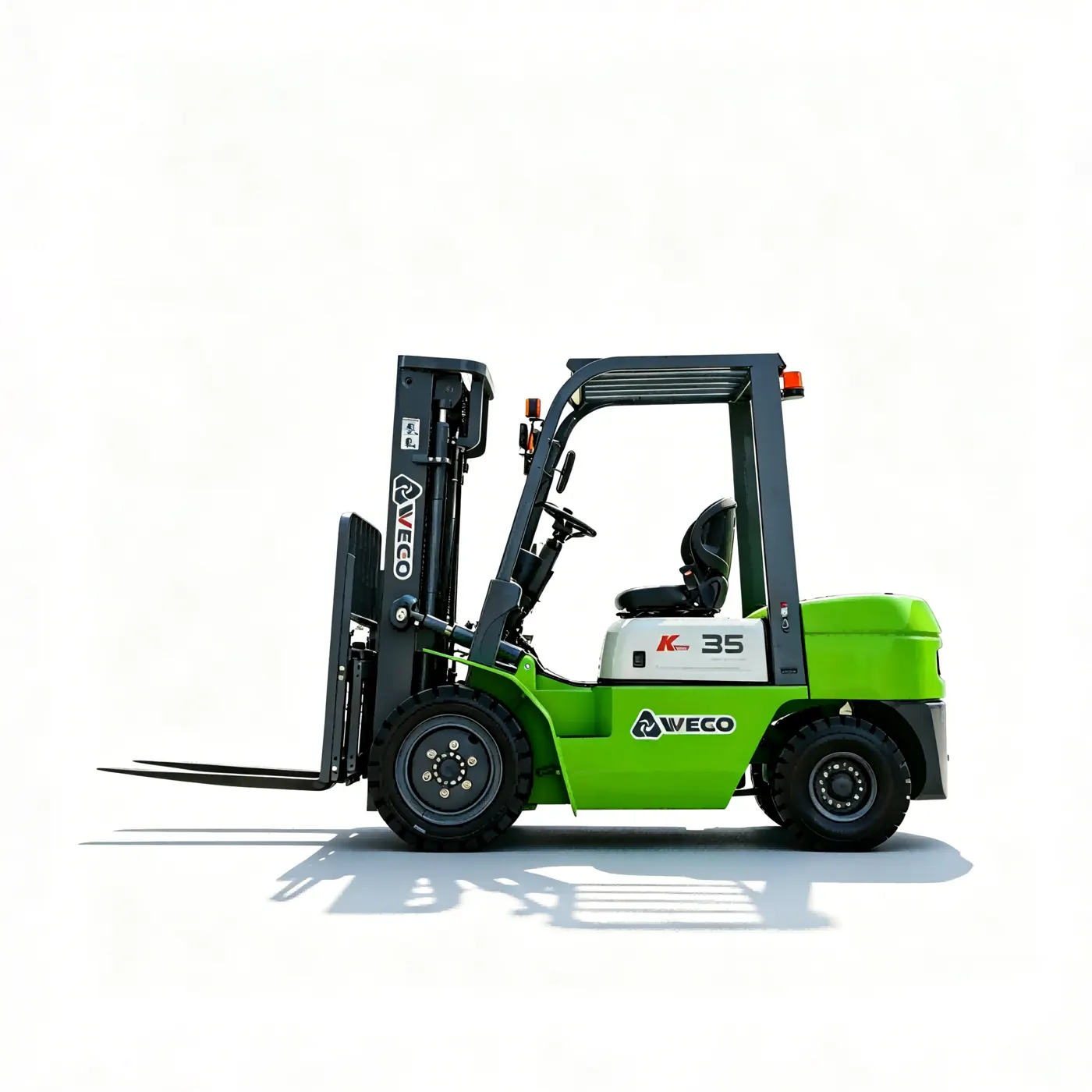
Warehouse forklift safety is not only an operator training issue; it is also a purchasing decision. Recent safety guidance has renewed attention on powered industrial truck operations, so buyers should evaluate the whole work system before selecting a model. Start with the load, travel distance, shift pattern, and people who share the route, then choose a truck that supports controlled and repeatable handling.
Picture a busy distribution aisle where a forklift leaves a charging area, crosses a pedestrian route, collects a mixed pallet, and approaches a dock or rack. Blind corners, uneven floors, trailer thresholds, and changing pallet quality can matter as much as rated capacity. A useful specification therefore considers turning space, visibility, braking control, warning devices, and how supervisors will manage temporary obstructions.
Key configuration points include capacity at the actual load center, lift height, mast visibility, fork length, attachment needs, tire type, travel speed, seatbelt and operator-protection features, lighting, and battery or fuel planning. Electric trucks also require a realistic charging location, electrical supply, ventilation approach where applicable, and a plan for battery availability across shifts. Confirm performance against site conditions rather than relying on a headline specification.
Before requesting a quotation, prepare pallet dimensions and weights, load-center details, rack beam heights, aisle widths, floor and ramp conditions, dock layout, pedestrian crossings, indoor or outdoor use, duty hours, and local compliance requirements. Also record current incident risks, inspection routines, operator skill levels, maintenance access, and the cost of stopping production when a truck is unavailable.
For export projects, align the quotation with destination voltage, safety documentation, operator manuals, spare-parts availability, training language, warranty scope, commissioning responsibility, and response times for technical support. WEGO can help compare electric forklift and warehouse truck options around the real operating scene, so safety controls, productivity goals, and after-sales coverage are planned together.
قائمة الفحص الفني للمشتري
دورة العمل ونافذة الشحن
سجل ساعات الوردية وفترات الذروة والاستراحة ووقت الشحن المتاح قبل اختيار سعة البطارية وقدرة الشاحن.
بنية الشحن
أكد الجهد وعدد الاطوار والموصل والتهوية ومسار الكابل ومكان الوقوف المحمي وفقا لقواعد الكهرباء المحلية.
ابعاد الممرات والرفوف
قس عرض الممر ومساحة التكديس بزاوية قائمة وارتفاع الرف والعارضة السفلية والابواب ونقاط الدوران باستخدام الطبالي الفعلية.
بيئة تشغيل البطارية
تؤثر الحرارة والغبار والرطوبة وطريقة التنظيف وتكرار الشحن في حزمة البطارية ومستوى الحماية المطلوب.
خطة الفحص اليومية
افحص الشوك والسلاسل والسارية والاطارات والتسربات والمكابح والتوجيه واجهزة التحذير والبطارية او المحرك قبل كل وردية.
حزمة التصدير والتشغيل
نسق الادلة والملصقات وتجهيز الشاحن او المحرك والفلاتر والمانعات الاحتياطية والتعبئة ووثائق الوصول قبل الشحن.