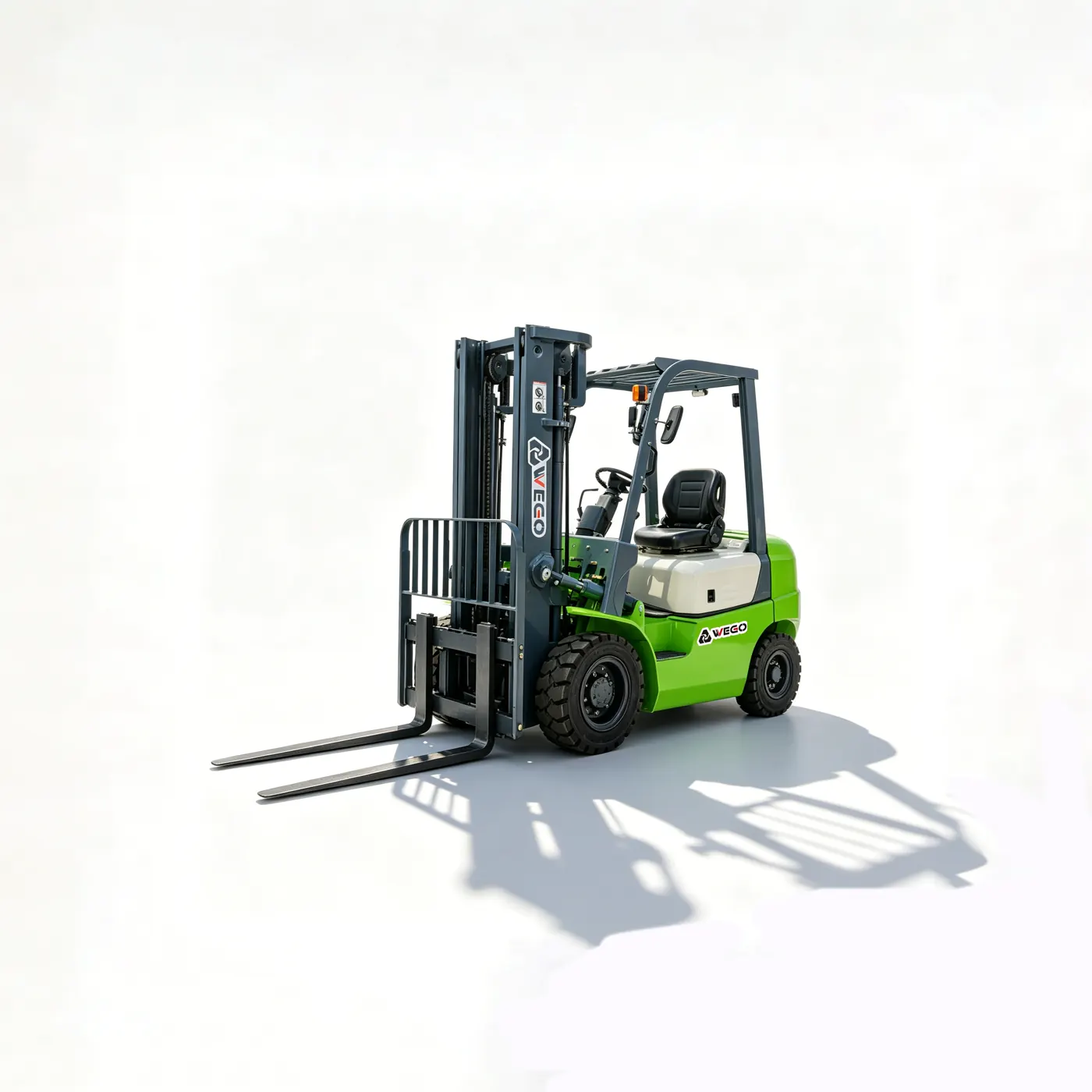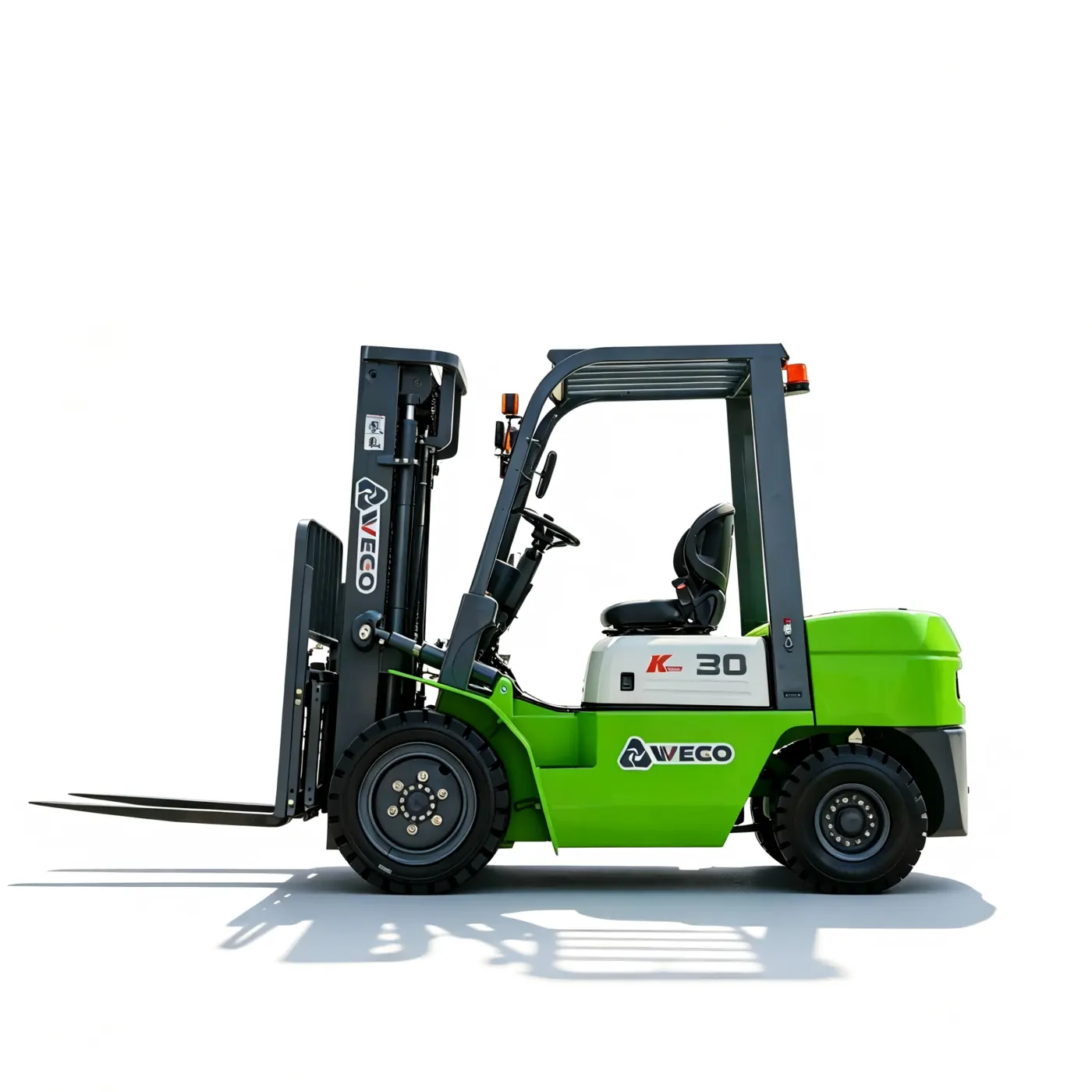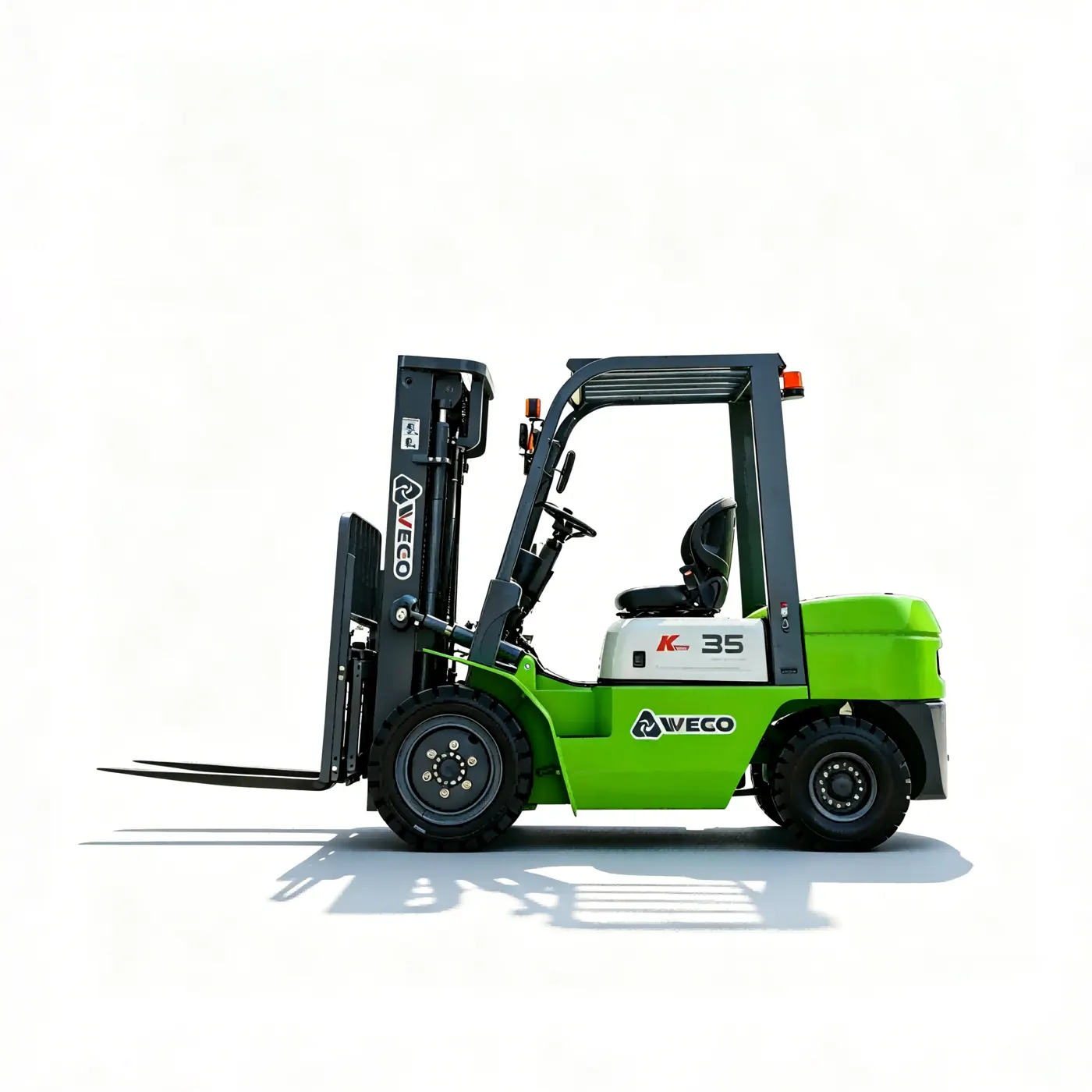
Warehouse buyers often compare forklifts by capacity and price, but maintenance visibility can have a larger effect on long-term uptime. Recent industry coverage about connected fleet operations points to a practical shift: use daily information to find recurring problems before they become downtime or safety events. The right project starts with the decisions a fleet manager must make, not with a dashboard feature list.
Imagine a distribution centre running several trucks across receiving, rack aisles, and dispatch. A pre-use check may identify a tyre, fork, brake, or warning-device issue, while service history can reveal a truck that is repeatedly exposed to impacts or heavy duty cycles. Clear records help supervisors isolate equipment, schedule repairs, and keep safe alternatives available instead of waiting for an unexpected breakdown.
Configuration points include inspection questions, operator access, impact event rules, hour-meter capture, battery or fuel records, maintenance alerts, user permissions, network connection, and data retention. The system should be easy to use at the start of a shift and should make exception handling clear. Confirm how data is collected on each truck, what happens during a connection outage, and which functions are included in the quoted scope.
Before requesting a quotation, prepare the fleet list, truck ages, operating hours, shift pattern, maintenance records, recurring faults, inspection forms, charging locations, warehouse zones, network conditions, and existing software. Define response owners for alerts, the process for removing a truck from service, the reports management needs, and the improvements that will be measured after implementation.
For export projects, confirm local data requirements, destination connectivity, training language, service documentation, spare parts, warranty boundaries, commissioning tasks, and remote support response times. WEGO can help buyers pair electric forklifts or warehouse trucks with a manageable inspection and maintenance plan, so connected information improves real decisions rather than adding another disconnected system.
技術選定チェックリスト
稼働サイクルと充電時間
バッテリー容量と充電器出力を決める前に、シフト時間、繁忙時間、休憩、充電可能時間を確認します。
充電インフラ
現地電圧、相数、コネクター、換気、配線経路、電気規則に適合する充電場所を確認します。
通路・ラック寸法
実際のパレットを使い、通路有効幅、直角積付け、ラック高、最下段梁、扉、旋回箇所を測定します。
バッテリー使用環境
温度、粉じん、湿気、洗浄方法、充電頻度によって必要なバッテリー仕様と保護等級が変わります。
日常点検計画
各シフト前にフォーク、チェーン、マスト、タイヤ、漏れ、ブレーキ、操舵、警報装置、バッテリーまたはエンジンを点検します。
輸出・立上げパッケージ
出荷前に説明書、表示、充電器またはエンジン、予備フィルター・シール、梱包、仕向書類を整えます。