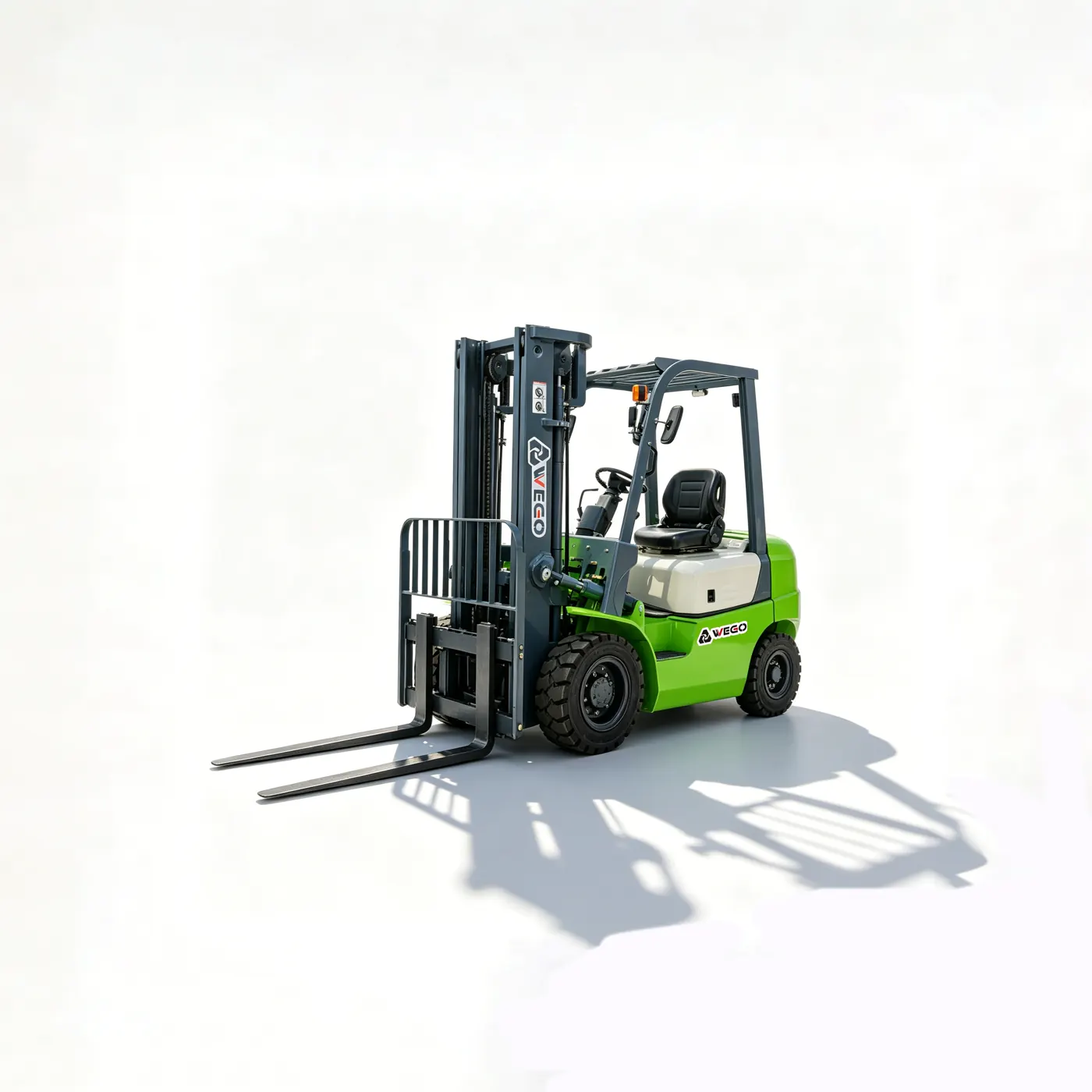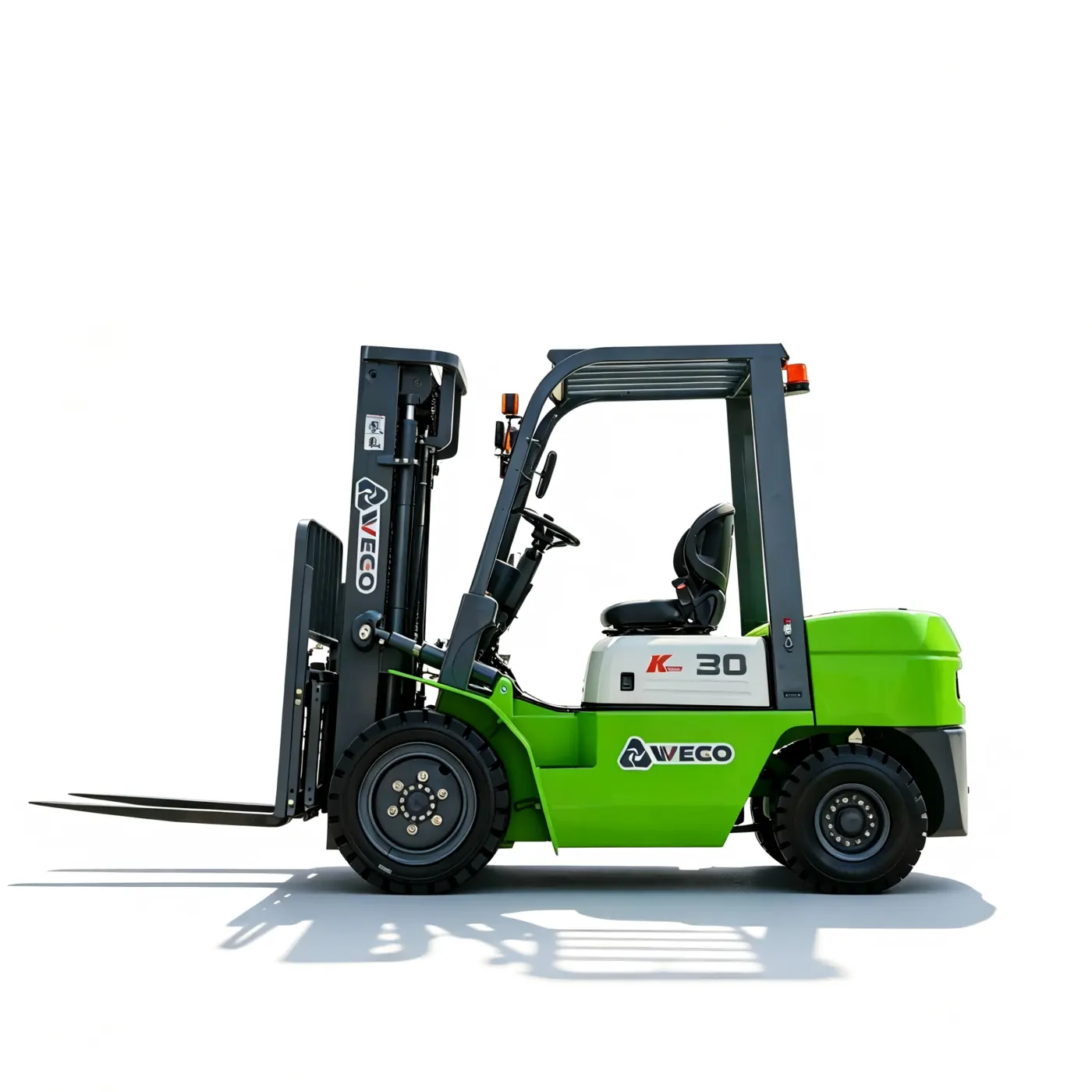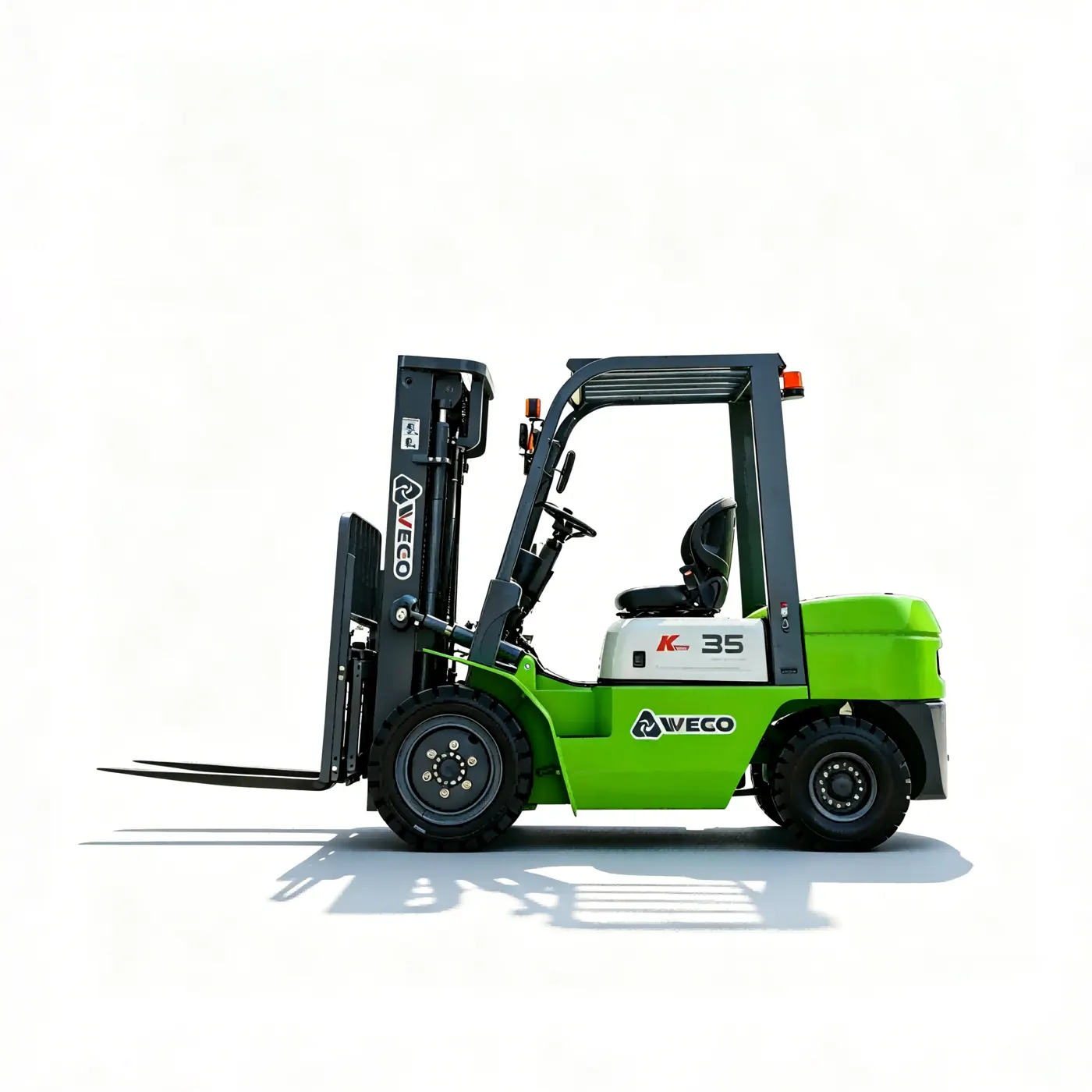
Warehouse buyers often compare forklifts by capacity and price, but maintenance visibility can have a larger effect on long-term uptime. Recent industry coverage about connected fleet operations points to a practical shift: use daily information to find recurring problems before they become downtime or safety events. The right project starts with the decisions a fleet manager must make, not with a dashboard feature list.
Imagine a distribution centre running several trucks across receiving, rack aisles, and dispatch. A pre-use check may identify a tyre, fork, brake, or warning-device issue, while service history can reveal a truck that is repeatedly exposed to impacts or heavy duty cycles. Clear records help supervisors isolate equipment, schedule repairs, and keep safe alternatives available instead of waiting for an unexpected breakdown.
Configuration points include inspection questions, operator access, impact event rules, hour-meter capture, battery or fuel records, maintenance alerts, user permissions, network connection, and data retention. The system should be easy to use at the start of a shift and should make exception handling clear. Confirm how data is collected on each truck, what happens during a connection outage, and which functions are included in the quoted scope.
Before requesting a quotation, prepare the fleet list, truck ages, operating hours, shift pattern, maintenance records, recurring faults, inspection forms, charging locations, warehouse zones, network conditions, and existing software. Define response owners for alerts, the process for removing a truck from service, the reports management needs, and the improvements that will be measured after implementation.
For export projects, confirm local data requirements, destination connectivity, training language, service documentation, spare parts, warranty boundaries, commissioning tasks, and remote support response times. WEGO can help buyers pair electric forklifts or warehouse trucks with a manageable inspection and maintenance plan, so connected information improves real decisions rather than adding another disconnected system.
Lista tecnica para compradores
Ciclo de trabajo y ventana de carga
Registre horas por turno, picos, pausas y tiempo de carga antes de elegir bateria y cargador.
Infraestructura de carga
Confirme tension, fases, conector, ventilacion, cableado y zona protegida conforme a la normativa local.
Geometria de pasillos y estanterias
Mida ancho libre, espacio de apilado, altura de rack, viga inferior, puertas y giros con el pale real.
Entorno de la bateria
Temperatura, polvo, humedad, limpieza y frecuencia de carga influyen en la bateria y su proteccion.
Plan de inspeccion diaria
Antes de cada turno revise horquillas, cadenas, mastil, neumaticos, fugas, frenos, direccion, avisos y bateria o motor.
Paquete de exportacion y puesta en marcha
Coordine manuales, etiquetas, cargador o motor, filtros y retenes, embalaje y documentos antes del envio.