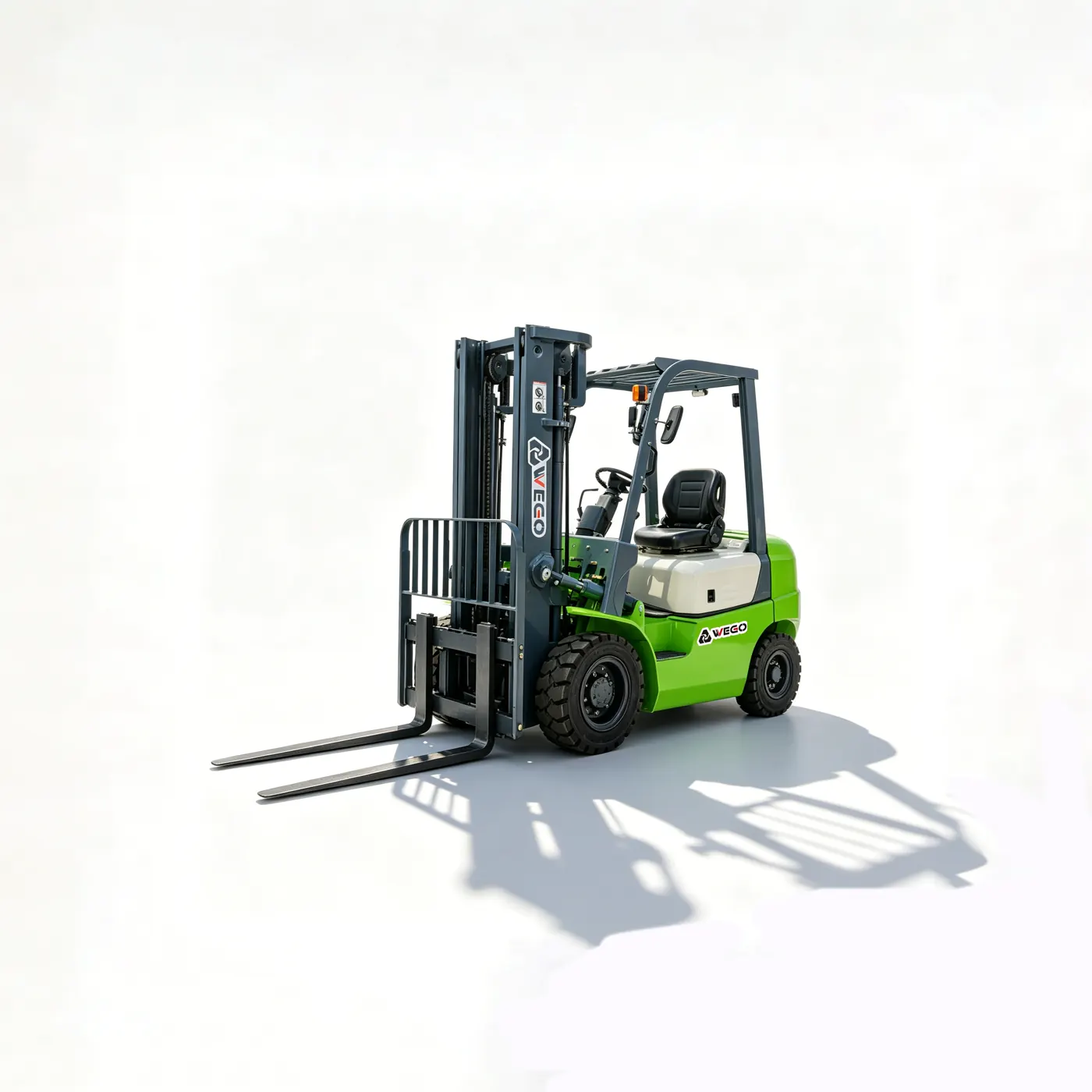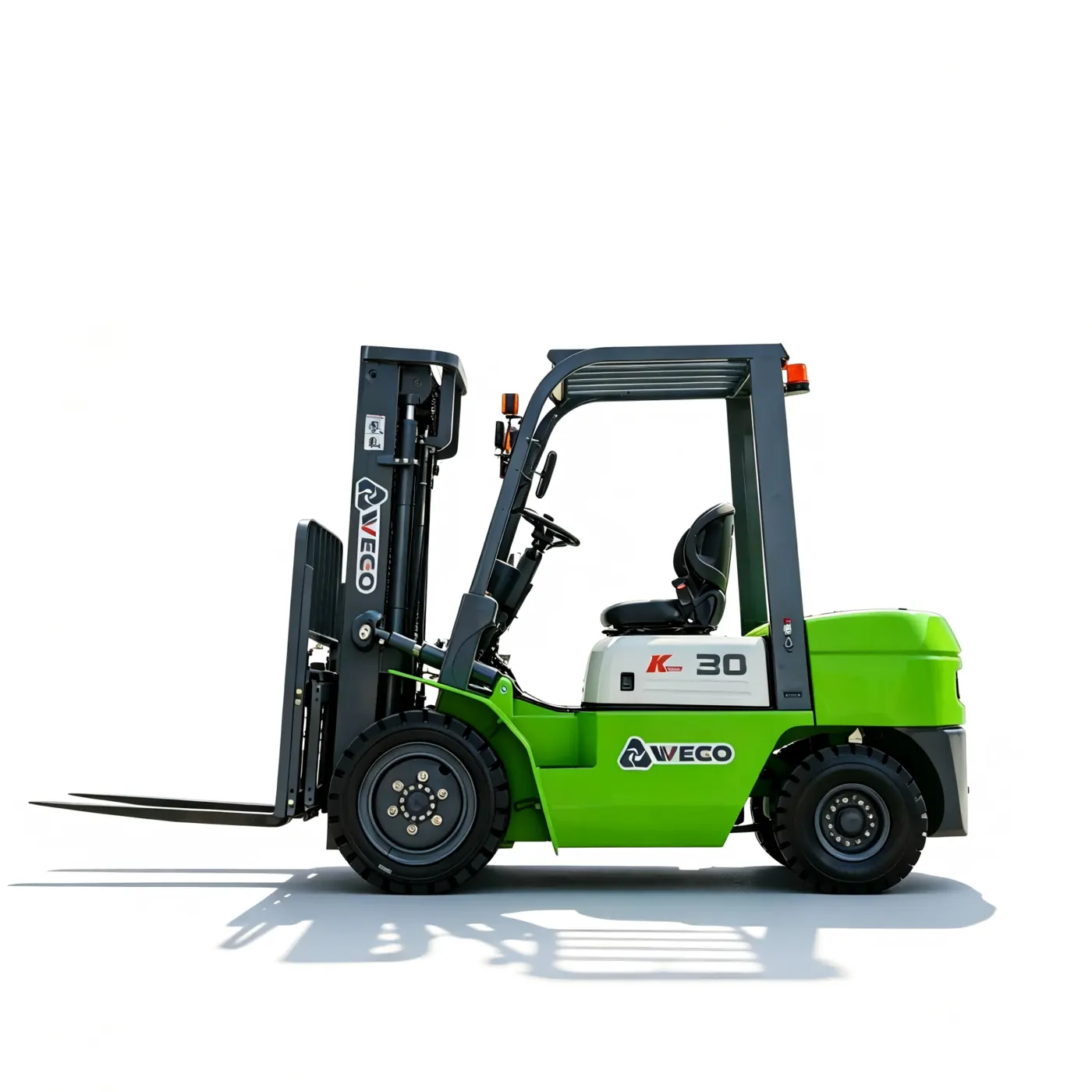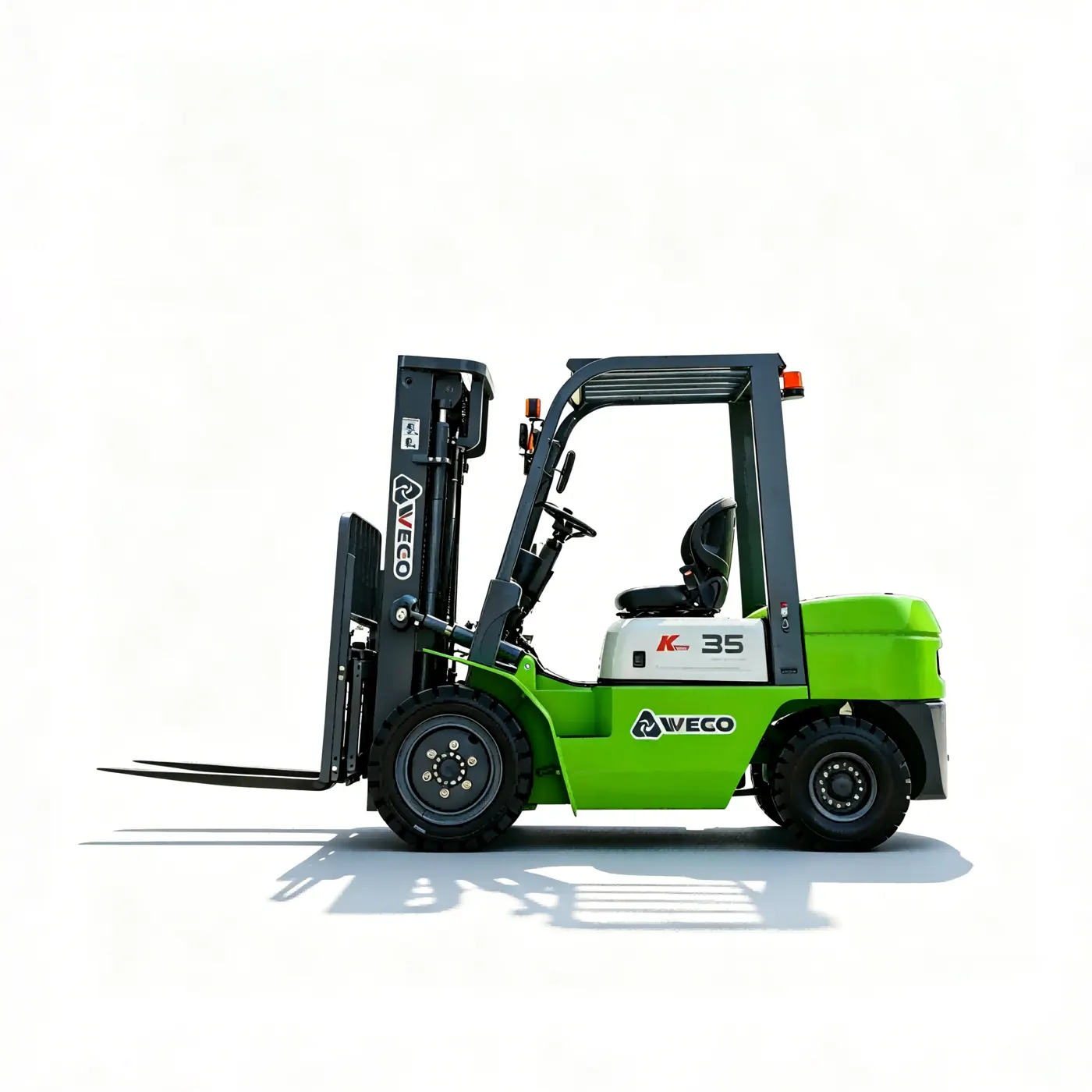
Lithium forklifts are becoming a practical option for warehouse upgrades because buyers are evaluating the complete energy system, not just rated capacity or mast height. A well-matched electric forklift can support cleaner indoor handling, more flexible charging, and a simpler daily routine, but the business case depends on the application. Fleet managers should compare battery capacity, shift demand, charging access, and service support before assuming that every lithium model will deliver the same result.
The clearest use case is a busy warehouse where trucks move pallets through receiving, storage, picking, and dispatch across one or more shifts. Operators may need short charging opportunities between tasks rather than a long battery change process, while supervisors need predictable availability during peak periods. The site still needs clear charging rules, suitable electrical capacity, safe pedestrian routes, and a plan for trucks that work outside the main indoor flow. Lithium power should improve the operating routine without hiding layout or traffic problems.
Key configuration points include required capacity at the actual lift height, mast type, travel distance, average load weight, pallet dimensions, tyre selection, attachment, battery capacity, charger input, and expected charging windows. Review the display and battery information available to operators, then confirm how inspection and maintenance will be handled. For multi-shift work, compare opportunity charging with the site's break pattern and electrical limits. The final recommendation should be based on measured duty cycle and local requirements, with configuration-dependent performance and charging details confirmed in the quotation.
Before requesting a quotation, provide the number of shifts, operating hours, load and lift data, aisle width, floor condition, ambient temperature, indoor or outdoor use, charging location, available power supply, and preferred delivery date. Also confirm whether the fleet needs common chargers, spare batteries, attachments, telematics, operator training, or a phased replacement plan. These details allow WEGO to compare lithium electric forklift options with the warehouse's real workflow and to identify any site preparation required before delivery.
For export orders, confirm charger compatibility, manuals and labels in the required language, commissioning responsibilities, preventive-maintenance intervals, key spare parts, and the process for technical support after arrival. A lithium forklift upgrade works best when the battery, charger, truck, operator routine, and service plan are treated as one project. With that preparation, buyers can pursue lower handling friction and more consistent fleet availability while keeping the transition practical for warehouse teams.
قائمة الفحص الفني للمشتري
دورة العمل ونافذة الشحن
سجل ساعات الوردية وفترات الذروة والاستراحة ووقت الشحن المتاح قبل اختيار سعة البطارية وقدرة الشاحن.
بنية الشحن
أكد الجهد وعدد الاطوار والموصل والتهوية ومسار الكابل ومكان الوقوف المحمي وفقا لقواعد الكهرباء المحلية.
ابعاد الممرات والرفوف
قس عرض الممر ومساحة التكديس بزاوية قائمة وارتفاع الرف والعارضة السفلية والابواب ونقاط الدوران باستخدام الطبالي الفعلية.
بيئة تشغيل البطارية
تؤثر الحرارة والغبار والرطوبة وطريقة التنظيف وتكرار الشحن في حزمة البطارية ومستوى الحماية المطلوب.
خطة الفحص اليومية
افحص الشوك والسلاسل والسارية والاطارات والتسربات والمكابح والتوجيه واجهزة التحذير والبطارية او المحرك قبل كل وردية.
حزمة التصدير والتشغيل
نسق الادلة والملصقات وتجهيز الشاحن او المحرك والفلاتر والمانعات الاحتياطية والتعبئة ووثائق الوصول قبل الشحن.