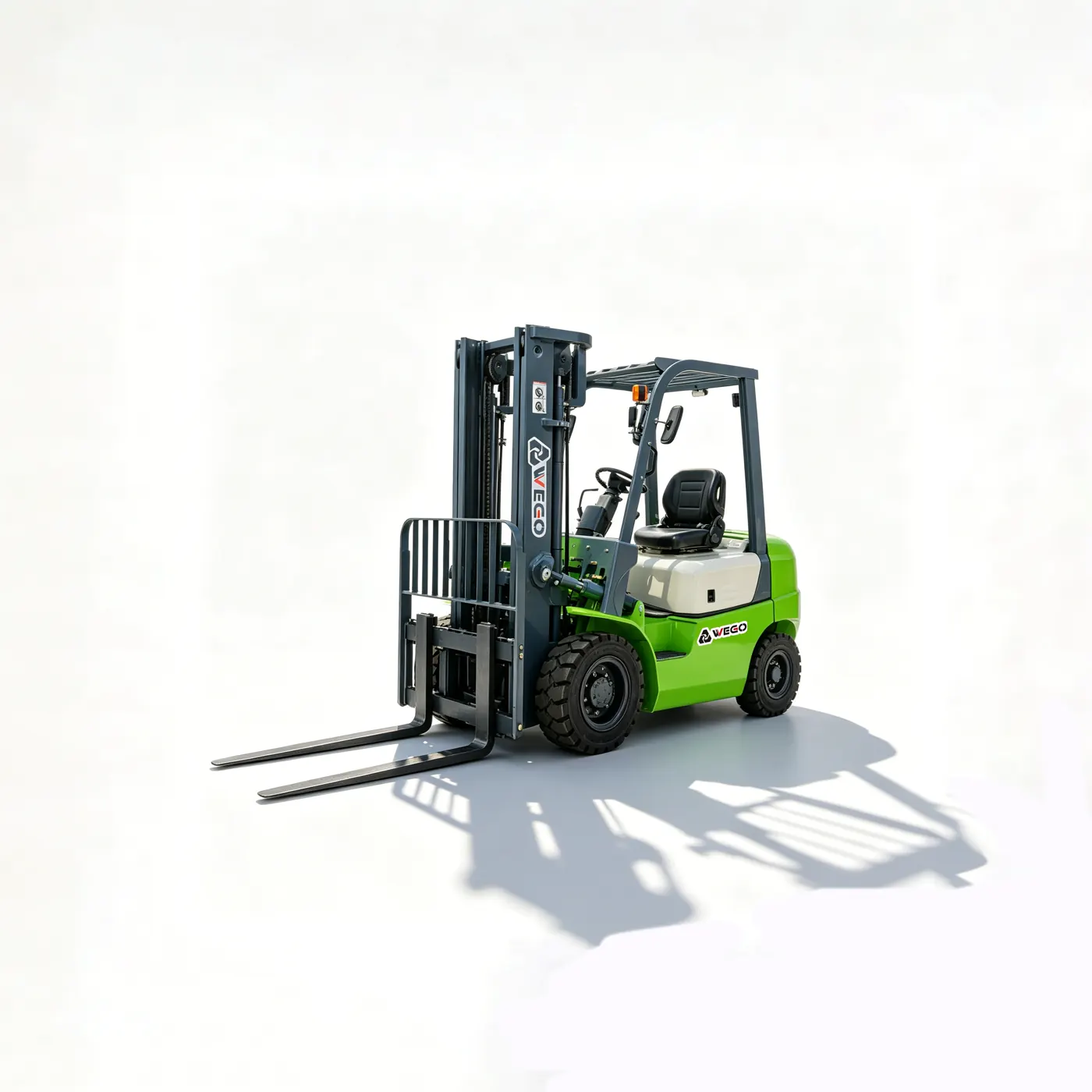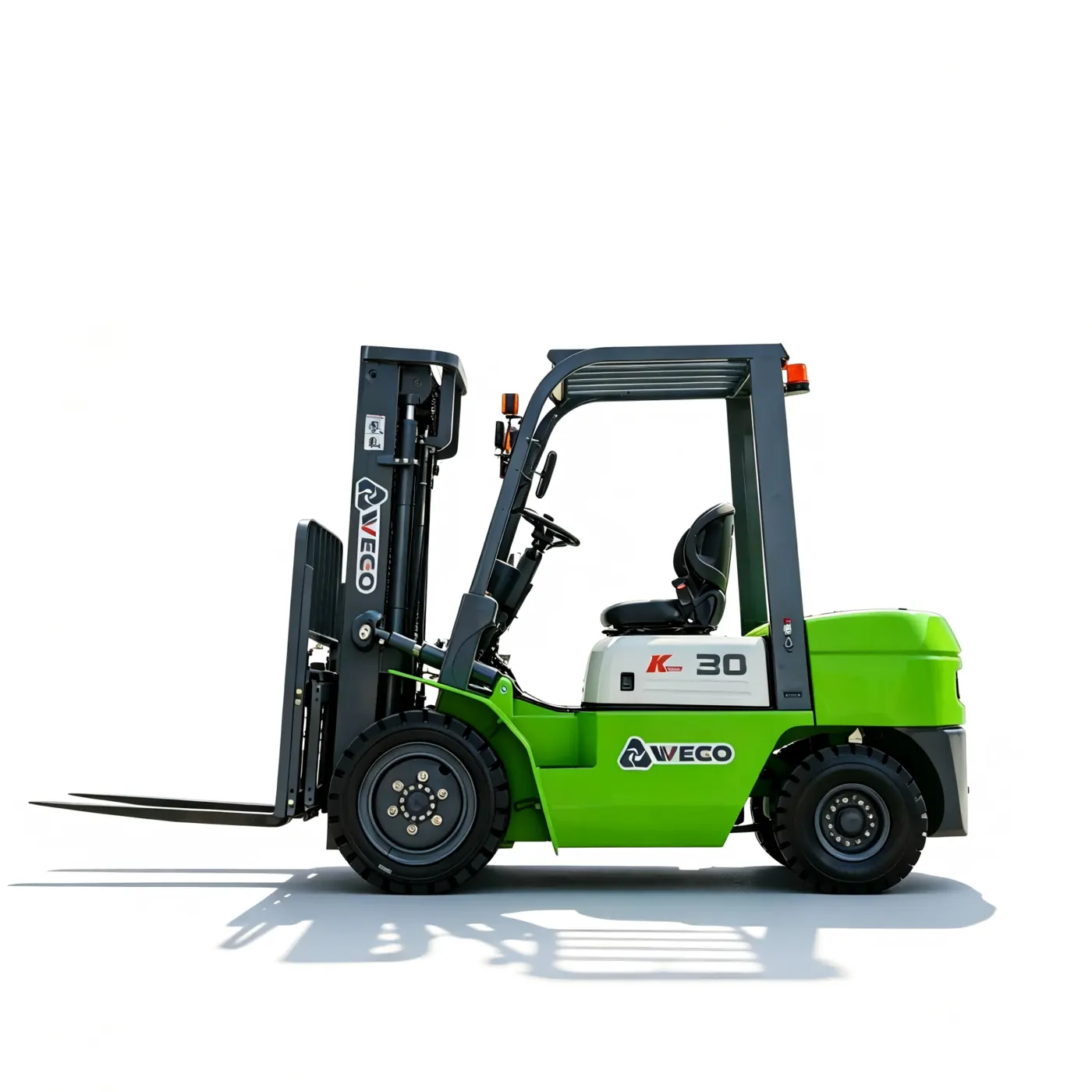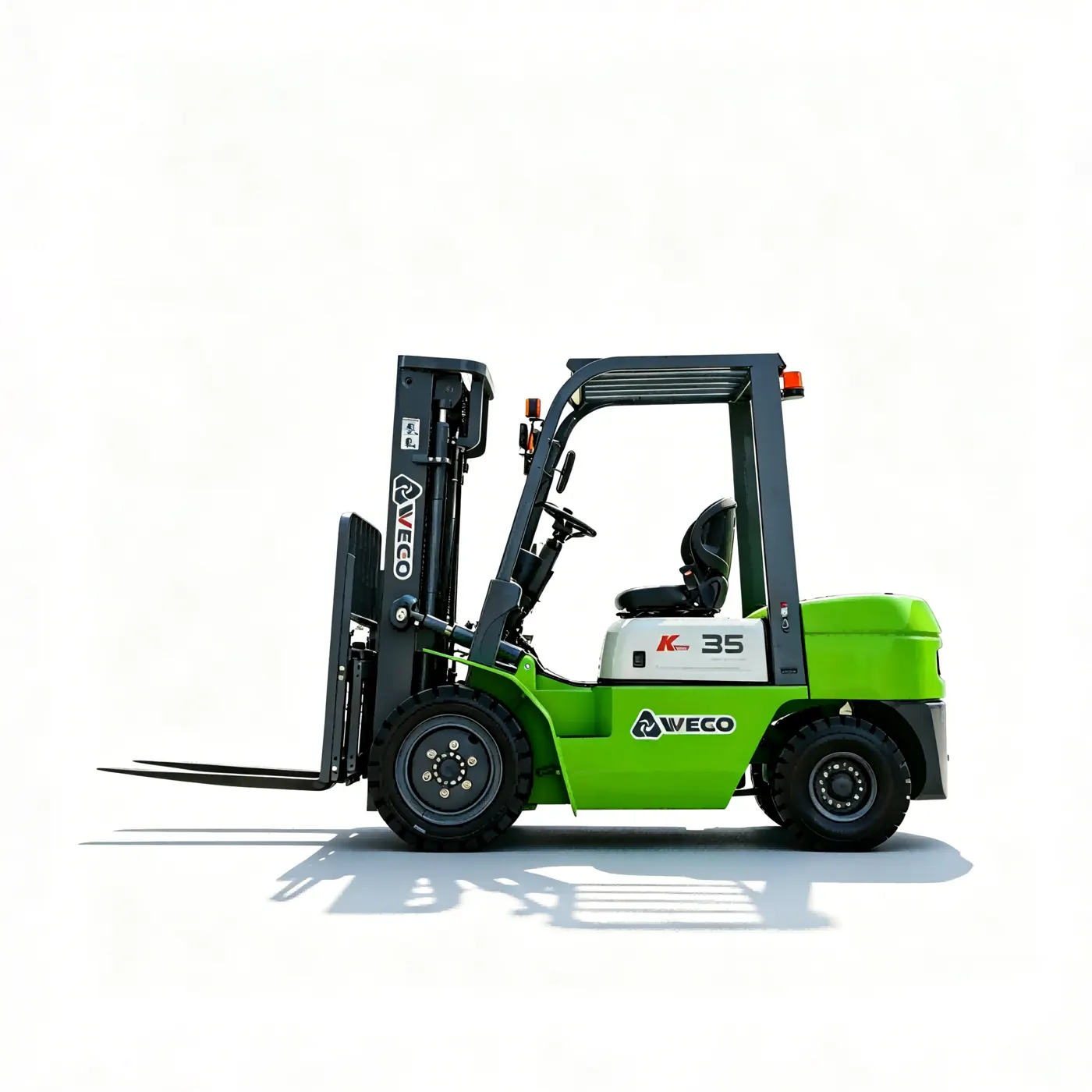
Recent warehouse discussions increasingly connect forklift safety with usable operating data. For buyers, the goal is not to collect numbers for their own sake, but to identify preventable risk, improve pre-use checks, and make equipment availability easier to manage. A connected fleet project should begin with the decisions supervisors need to make every shift.
In a busy warehouse, several trucks may share aisles with pedestrians while moving different loads between receiving, storage, production, and dispatch. A fleet system is useful when it fits this real workflow: it can support authorised-user controls, record inspection actions, highlight unusual impacts, and give managers a clearer view of where congestion or repeated damage occurs. It should support safe work, not encourage rushed driving for a better dashboard score.
Before selecting hardware, confirm the truck interface, driver identification method, impact-sensor placement, inspection workflow, data connection, reporting permissions, and alert rules. Also consider battery status, charging activity, maintenance records, and whether the system can operate when network coverage is interrupted. The value depends on correct setup and consistent response procedures, so configuration should be matched to the site rather than treated as a universal package.
Prepare a quotation brief with the number and types of trucks, operator groups, shifts, warehouse zones, pedestrian crossings, current inspection forms, incident history, network conditions, software systems, and local privacy or compliance requirements. Define who receives alerts, who investigates them, how a truck is cleared after an event, and which results will be measured over the first three months.
For export delivery, confirm destination connectivity, language support, data ownership, cybersecurity responsibilities, training materials, spare sensors, warranty boundaries, commissioning tasks, and remote-service response times. WEGO can help buyers combine suitable electric forklifts or warehouse trucks with practical safety and maintenance routines, while keeping system performance and support obligations clear in the final quotation.
قائمة الفحص الفني للمشتري
دورة العمل ونافذة الشحن
سجل ساعات الوردية وفترات الذروة والاستراحة ووقت الشحن المتاح قبل اختيار سعة البطارية وقدرة الشاحن.
بنية الشحن
أكد الجهد وعدد الاطوار والموصل والتهوية ومسار الكابل ومكان الوقوف المحمي وفقا لقواعد الكهرباء المحلية.
ابعاد الممرات والرفوف
قس عرض الممر ومساحة التكديس بزاوية قائمة وارتفاع الرف والعارضة السفلية والابواب ونقاط الدوران باستخدام الطبالي الفعلية.
بيئة تشغيل البطارية
تؤثر الحرارة والغبار والرطوبة وطريقة التنظيف وتكرار الشحن في حزمة البطارية ومستوى الحماية المطلوب.
خطة الفحص اليومية
افحص الشوك والسلاسل والسارية والاطارات والتسربات والمكابح والتوجيه واجهزة التحذير والبطارية او المحرك قبل كل وردية.
حزمة التصدير والتشغيل
نسق الادلة والملصقات وتجهيز الشاحن او المحرك والفلاتر والمانعات الاحتياطية والتعبئة ووثائق الوصول قبل الشحن.